

Whisky and Cheese Pairing: The Ultimate Combinations (2026)
Sip & Learn: Volume 65
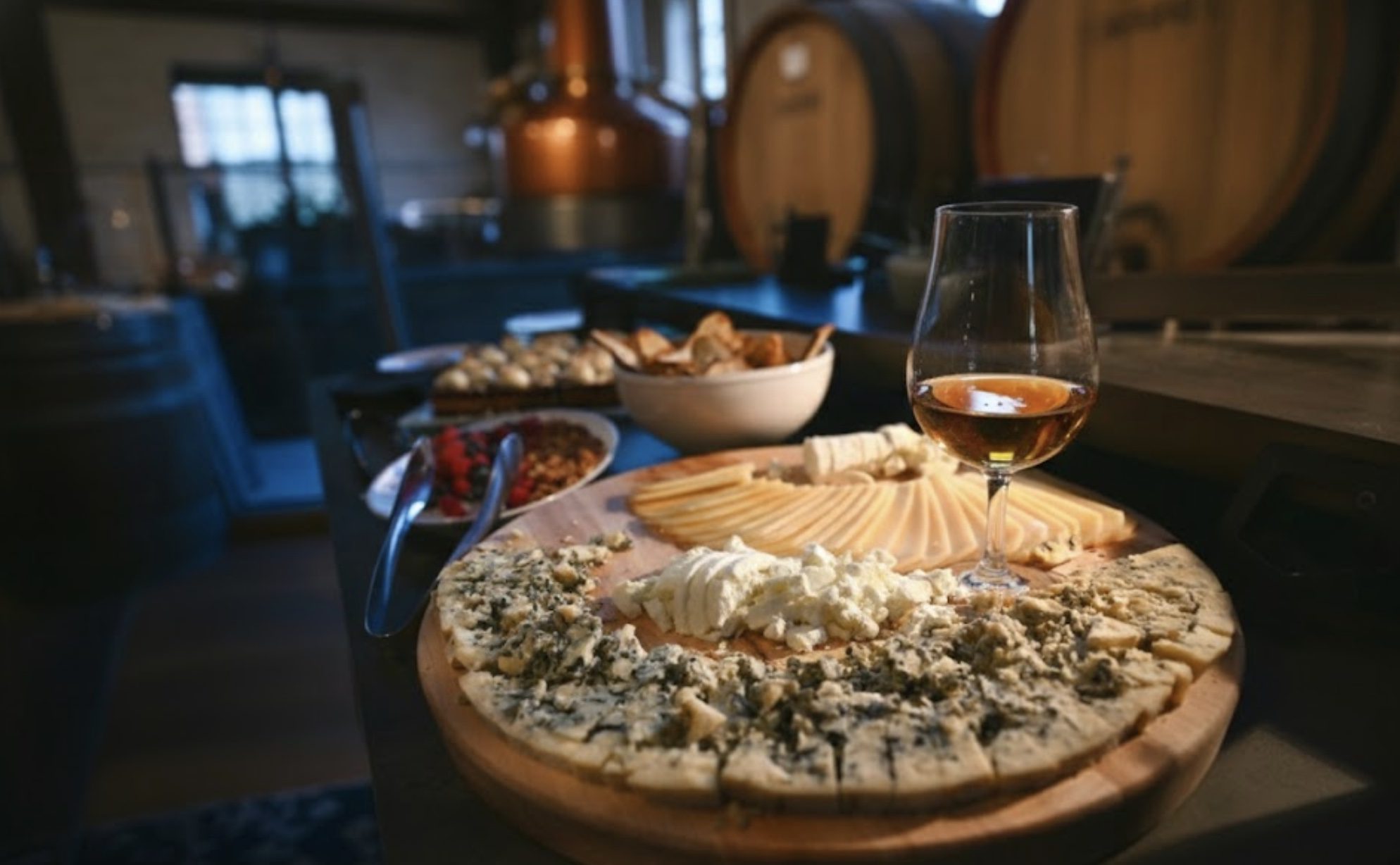
For centuries, the culinary world has told us that wine is the only drink to serve with a cheese board. In 2026, we know better. Whisky and cheese are actually superior partners.
While red wine can sometimes clash with strong cheeses (creating a metallic taste), whisky cuts through the fat.
The high alcohol content (40% ABV vs. wine’s 14%) acts as a solvent. It cleanses the palate of the heavy cheese oils, refreshing your mouth for the next bite. Furthermore, the flavor spectrum of whisky—from smoky peat to sweet vanilla—mirrors the spectrum of cheese perfectly.
In this guide, we are going to break down the science of whisky and cheese pairing and give you the four essential combinations to serve at your next tasting.
Table of Contents
Click below to jump to a pairing:
1. The Science: Why Alcohol Loves Fat
To master whisky and cheese pairing, you have to understand texture.
Cheese is essentially concentrated fat and protein. When you eat it, it coats your tongue in a waxy layer. This layer can block your taste buds, making subsequent bites taste dull.
The Solvent Effect:
Ethanol (alcohol) is a solvent. When you sip whisky after a bite of cheese, the spirit dissolves that fatty coating. It scrubs your tongue clean.
This reveals the hidden “nutty” and “grassy” notes in the cheese that were previously hidden by the fat. It also softens the alcohol burn of the whisky. It is a symbiotic relationship where both elements improve each other.
Temperature Rule:
Always serve your cheese at room temperature. Cold cheese suppresses flavor. Take it out of the fridge at least 1 hour before you pour the whisky.
Want to taste like a pro?
Read our 5-Step Guide to Sensory Analysis here.
2. Pairing 1: Sharp Cheddar & Bourbon
This is the classic American pairing. It is robust, easy to like, and foolproof.
The Cheese: Mature Cheddar.
Look for something aged at least 12 months. It should be sharp, salty, and crumbly.
The Whisky: Kentucky Bourbon.
Bourbon is sweet. It is full of vanilla, caramel, and corn sugar.
Why it works: The saltiness of the cheddar contrasts with the sweetness of the bourbon (like salted caramel). The fat of the cheese mellows the oak tannins in the spirit.
Need a bottle?
Check out our list of the Top 5 Sweet Bourbons here.
3. Pairing 2: Blue Cheese & Peated Scotch
This is the “Power Match.” It is intense, funky, and explosive. It is not for beginners, but experts swear by it.
The Cheese: Roquefort or Stilton.
These cheeses are salty, pungent, and creamy.
The Whisky: Islay Single Malt (Peated).
Think Laphroaig, Ardbeg, or Lagavulin. You need heavy smoke and iodine.
Why it works: Smoke and fat are best friends (think of bacon). The intense peat smoke cuts through the heavy cream of the blue cheese. The salt in the cheese amplifies the maritime “seaweed” notes in the whisky.
New to smoke?
Understand the science of Peated Whisky here.
4. Pairing 3: Brie & Floral Single Malt
This is the elegant, sophisticated choice. It is light and summery.
The Cheese: Brie or Camembert.
Soft, creamy, and mild. It has earthy mushroom notes from the rind.
The Whisky: Lowland or Speyside Scotch.
Look for something light, grassy, and floral like Auchentoshan, Glenkinchie, or Glenmorangie.
Why it works: You don’t want to overpower the delicate cheese with a heavy spirit. The light, grassy notes of the whisky highlight the earthy rind of the cheese without crushing it. The alcohol cleans up the sticky texture of the Brie.
5. Pairing 4: Aged Gouda & Sherry Cask
This is the “Dessert” pairing. It is rich, dark, and crystallized.
The Cheese: Aged Gouda (2+ Years).
Old Gouda develops crunchy salt crystals (tyrosine) and tastes like butterscotch and nuts.
The Whisky: Sherry Cask Scotch.
Look for a whisky aged in Oloroso casks, like The Macallan, GlenDronach, or Aberlour. It should taste of raisins and dark chocolate.
Why it works: Both the cheese and the whisky share flavors of nuts and dried fruit. The crunchy crystals in the cheese provide a texture contrast to the velvety liquid. It tastes like eating a fruitcake.
What is a Sherry Cask?
Read our guide on Cask Maturation to find the right bottle.
6. Summary: Building Your Board
When building a board for whisky and cheese pairing, aim for variety.
Start with the light pairing (Brie & Lowland) and move towards the heavy pairing (Blue & Islay).
Remember to provide plenty of water and plain crackers to cleanse the palate between rounds.
Once you experience how whisky interacts with cheese, you will find it very difficult to go back to wine.
Become a Certified Expert
Take your knowledge from “hobbyist” to “connoisseur.” Join our Virtual Whiskey Tasting VIP program and get guided lessons, rare bottle alerts, and tasting notes sent straight to your inbox.