

3 Major Styles Compared: The Ultimate Whiskey Comparison Chart
Sip & Learn: Volume 146
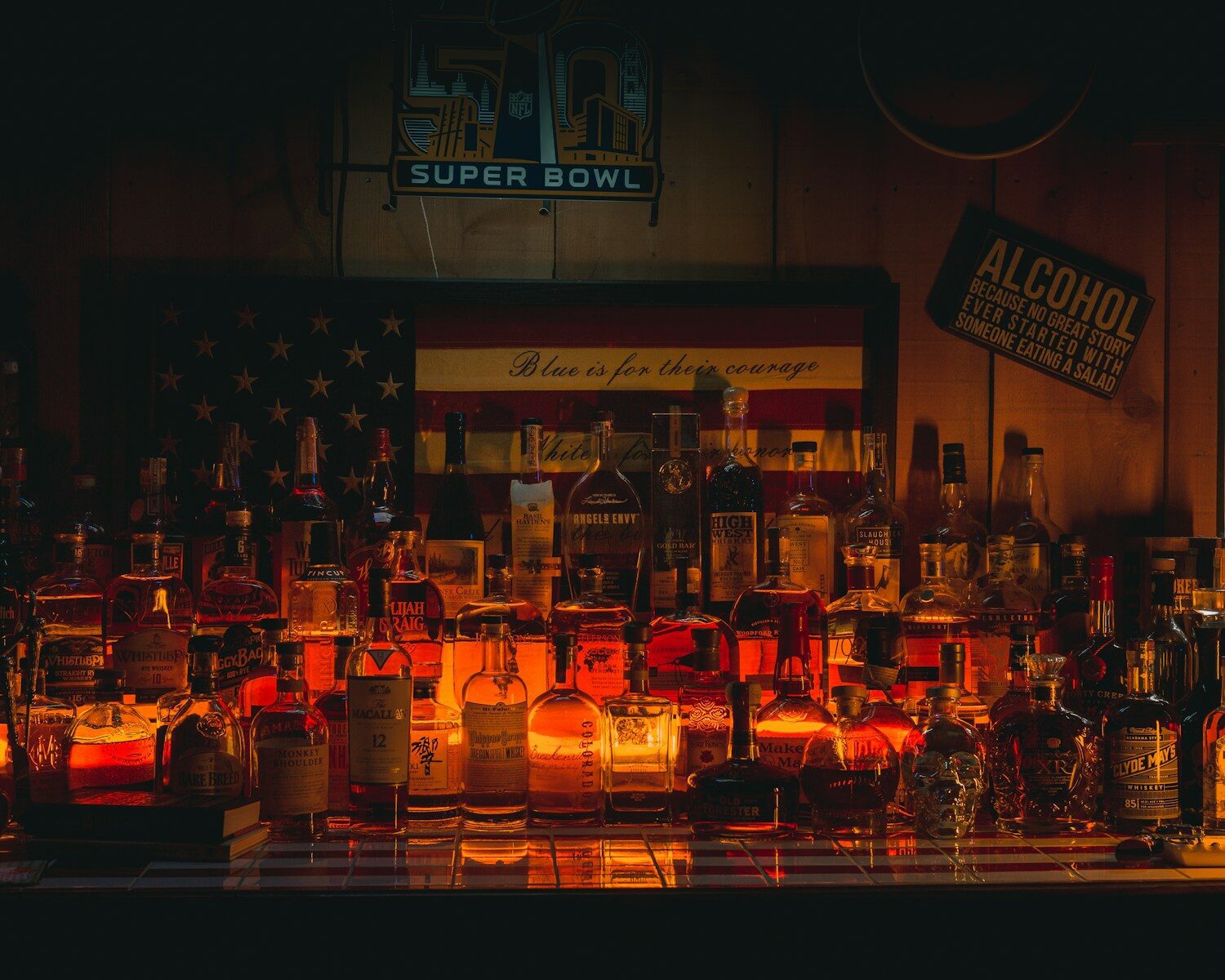
Walking down the liquor aisle can be overwhelming. You are faced with a wall of amber liquid, all looking roughly the same, yet ranging in price from $20 to $2,000.
Is Scotch just smoky Irish whiskey? Is Bourbon just sweet Scotch made in America?
The answer is a definitive no. While they all start as grain and water, the rules of geography, distillation, and aging create three completely distinct flavor profiles. Knowing these differences is the first step to becoming a connoisseur.
In this guide, we are going to strip away the marketing fluff. We have created the ultimate whiskey comparison chart to help you understand exactly what is in your glass, how it was made, and what it will taste like.
Table of Contents
Click below to jump to a section:
1. The Cheat Sheet: Quick Comparison Chart
If you only remember one thing from this article, memorize this table. This whiskey comparison chart outlines the legal and stylistic differences that define the “Big Three.”
| Feature | Scotch Whisky | Irish Whiskey | Bourbon |
|---|---|---|---|
| Geography | Must be made in Scotland. | Must be made in Ireland. | Must be made in the USA. |
| Grain | Malted Barley (mostly). | Barley (Malted + Unmalted). | At least 51% Corn. |
| Distillation | Usually Double Distilled (Pot Stills). | Usually Triple Distilled (Smoother). | Column Stills + Doubler. |
| Barrels | Used Oak (Ex-Bourbon/Sherry). | Used Oak (Ex-Bourbon/Sherry). | New Charred Oak (Required). |
| Flavor | Earthy, Smoky (Peat), Complex. | Light, Fruity, Smooth, Vanilla. | Sweet, Caramel, Oak, Corn. |
2. Scotch Whisky: The Character of Barley
Scotch is the rugged traditionalist. It is defined by the barley grain and the cool climate.
The Grain: Single Malt Scotch uses 100% Malted Barley. This gives it a biscuit-like, nutty, and cereal-forward flavor profile.
The Peat: Many Scotch distilleries (especially on Islay) dry their barley using peat smoke. This infuses the grain with phenols, giving Scotch its signature smoky, medicinal, or campfire taste.
The Wood: Scotch is almost always aged in used barrels (usually ones that previously held Bourbon or Sherry). This allows the spirit to age for a long time (12, 18, 25 years) without becoming too woody.
Confused by Peat?
Read our guide to Gateway Peated Whiskies (Vol 143).
3. Irish Whiskey: The Smooth Operator
Irish whiskey is often described as the most approachable of the three.
The Distillation: While Scotch is distilled twice, Irish whiskey is traditionally distilled three times. This third run through the copper still strips out more heavy oils and impurities, creating a spirit that is lighter, fruitier, and incredibly smooth.
The Pot Still Style: Unique to Ireland is “Single Pot Still” whiskey (like Redbreast). This uses a mix of malted and unmalted (raw) barley. The raw barley adds a distinct spicy, creamy, and oily texture that you don’t find in Scotch.
4. Bourbon: The Sweet American
Bourbon is the bold, sweet cousin from across the Atlantic.
The Corn: By law, Bourbon must be made from at least 51% corn. Corn contains high levels of sugar, making the base spirit naturally sweeter than barley-based whiskies.
The New Wood: This is the biggest difference. Bourbon must be aged in brand new, charred oak containers. Because the wood is fresh, it imparts massive amounts of vanilla, caramel, coconut, and color into the spirit very quickly.
This is why a 4-year-old Bourbon is often darker and richer than a 12-year-old Scotch.
Want to know about charring?
See how barrels are made in our Cooperage Guide (Vol 130).
5. The Spelling Rule (E vs No E)
You will notice that sometimes it is spelled “Whisky” and sometimes “Whiskey.” This isn’t a typo; it depends on the country of origin.
The Rule of Thumb:
If the country has an “E” in its name (United States, Ireland), they spell it Whiskey.
If the country does not have an “E” (Scotland, Japan, Canada), they spell it Whisky.
Summary: Which Should You Buy?
There is no “best” style, only the right style for your mood.
- Choose Scotch if you want complexity, earthiness, and maybe some smoke.
- Choose Irish if you want something smooth, easy-drinking, and approachable.
- Choose Bourbon if you have a sweet tooth and love bold vanilla and caramel flavors.
Use this whisky comparison chart as your roadmap, but the only way to truly learn is to taste them side-by-side.
Become a Certified Expert
Take your knowledge from “hobbyist” to “connoisseur.” Join our Virtual Whiskey Tasting VIP program and get guided lessons, rare bottle alerts, and tasting notes sent straight to your inbox.