

Sour Mash Explained: 3 Scientific Secrets Behind the Flavor
Sip & Learn: Volume 153
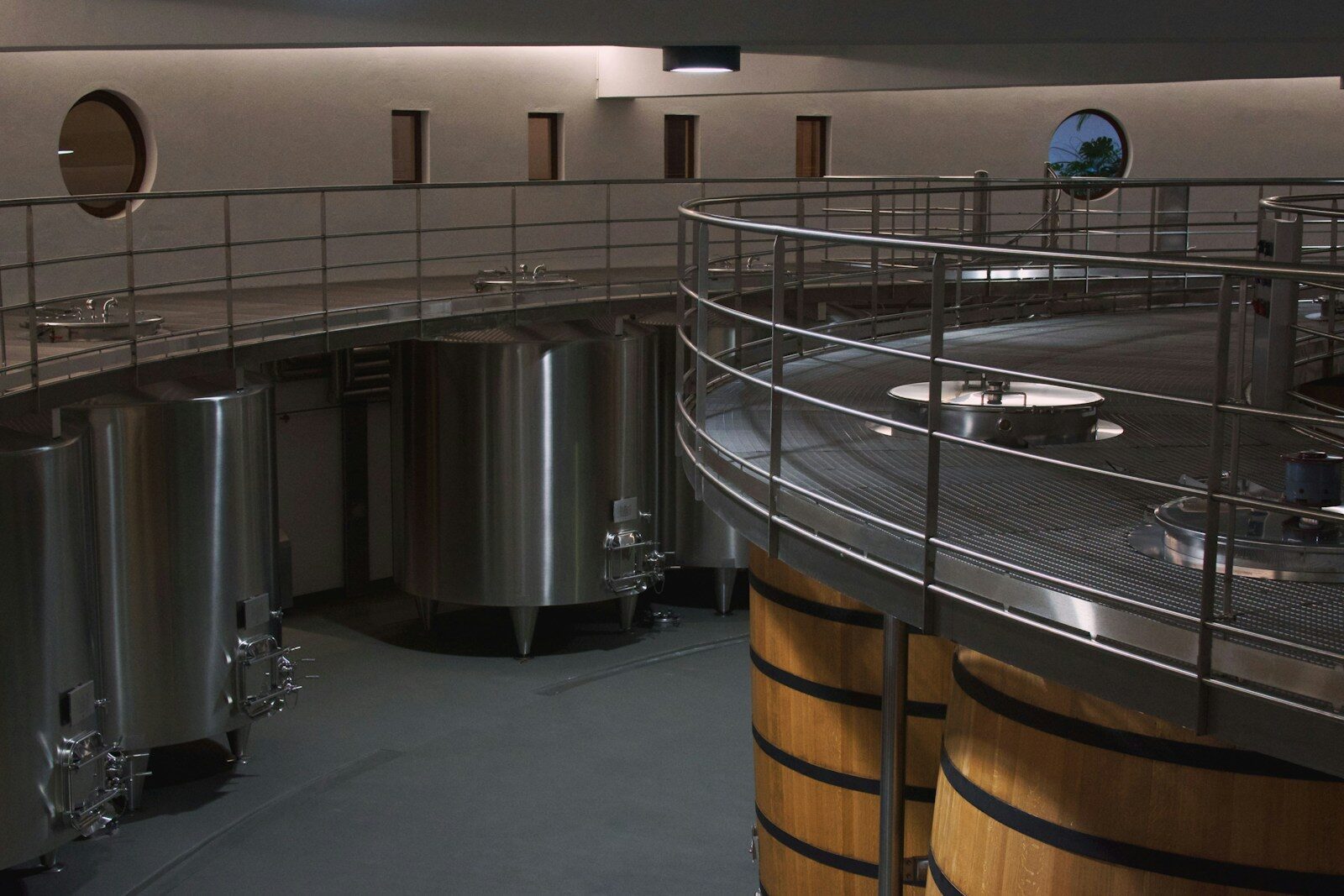
If you walk down the aisle of any liquor store in America, you will see the words “Sour Mash” printed on almost every bottle of Bourbon and Tennessee Whiskey.
To the uninitiated, this sounds unappealing. “Sour” is rarely a word used to sell luxury goods. It implies spoilage, curdled milk, or vinegar.
However, in the world of distillation, “Sour Mash” is not a flavor profile; it is a quality control technique. It is the reason your favorite bottle of Jack Daniel’s tastes exactly the same today as it did twenty years ago.
It is a process rooted in chemistry, specifically the manipulation of pH levels to fight off microscopic invaders.
In this scientific guide, we are going to get sour mash explained once and for all, dispelling the myths and revealing why acidic leftovers are the gold standard of American whiskey.
Table of Contents
Click below to jump to a section:
1. What is “Backset”?
To understand sour mash, you must understand the byproduct of distillation.
When the beer (distiller’s beer) is boiled in the still, the alcohol evaporates and is collected. What is left behind at the bottom of the still is a hot, acidic, nutrient-rich slurry of cooked grains and water.
This leftover liquid is called Backset (or Stillage).
In a Sour Mash process, the distiller takes a portion of this acidic backset (usually about 25% to 33% of the total volume) and pumps it into the next fermentation tank along with the fresh corn, rye, and water.
They are essentially recycling the leftovers to start the new batch. This is identical to the “Starter” method used in sourdough bread.
2. The Chemistry: Controlling pH
Why add old, acidic liquid to fresh grain? It comes down to pH.
Fresh water usually has a neutral pH of around 7.0. Corn and rye are also relatively neutral.
However, the yeast used to ferment whiskey prefers an acidic environment, ideally around 5.2 to 5.8 pH.
The backset is highly acidic because the previous fermentation created various organic acids. By adding this backset to the new mash, the distiller instantly lowers the pH of the entire mixture. This “sours” the mash chemically, creating the perfect playground for yeast to thrive.
3. Bacterial Infection vs. Yeast
The fermentation tank is a battlefield.
On one side, you have Yeast, which wants to eat sugar and create alcohol. On the other side, you have wild Bacteria, which want to eat sugar and create nasty flavors (like vomit, rotten eggs, or vinegar).
Bacteria hate acid. Yeast loves acid.
By lowering the pH with backset, the distiller creates an environment where bacteria cannot survive, but yeast can reproduce rapidly. It is a biological shield. Before modern sanitization and stainless steel, this was the only way to prevent whiskey from spoiling.
What happens without backset?
Read about the risks of Sweet Mash in Vol 122.
4. Consistency: The Genetic Chain
With sour mash explained, we see it is also about consistency.
Big brands like Jim Beam produce millions of gallons a year. They cannot afford flavor drift.
By using a portion of Batch A to start Batch B, and Batch B to start Batch C, they create an unbroken chain of flavor. The chemical composition of the liquid remains chemically identical over decades. This ensures that the bottle you buy in 2026 tastes the same as the one your father bought in 1996.
5. Does it Taste Sour?
This is the most common consumer myth.
Sour Mash whiskey does NOT taste sour.
The acid in the backset stays in the beer. It does not distill over into the final spirit. Alcohol evaporates at 173°F, while most acids act as heavy compounds that remain at the bottom of the still.
The final distillate is sweet, grain-forward, and clean. If your whiskey tastes sour, something went wrong in the barrel (oxidation), not the mash.
Pro Tip:
Do not confuse “Sour Mash” with “Sour Cocktails” (like a Whiskey Sour). One refers to fermentation pH, the other refers to adding lemon juice to a drink.
Worried about sour taste?
Check if your bottle is oxidized (Vol 142).
Summary: The Industry Standard
Sour Mash is the unsung hero of the American whiskey industry.
It is a brilliant, natural solution to complex chemical problems. It prevents infection, ensures consistency, and reduces waste by recycling leftovers.
So when you see those words on the label, know that you are drinking a product of scientific precision, not a mistake.
Become a Certified Expert
Take your knowledge from “hobbyist” to “connoisseur.” Join our Virtual Whiskey Tasting VIP program and get guided lessons, rare bottle alerts, and tasting notes sent straight to your inbox.