
Oak Lactones Whisky: 3 Secrets Behind the Surprising Coconut Flavor
Sip & Learn: Volume 148
Have you ever taken a sip of a rich, sweet Bourbon and tasted sun-tan lotion?
It is a common experience. You smell the glass, and suddenly you are transported to a tropical beach. You get distinct notes of coconut cream, desiccated coconut, or even piña colada.
Since whisky is made from grain, water, and yeast, how is this possible? Did the distiller throw a coconut into the tank?
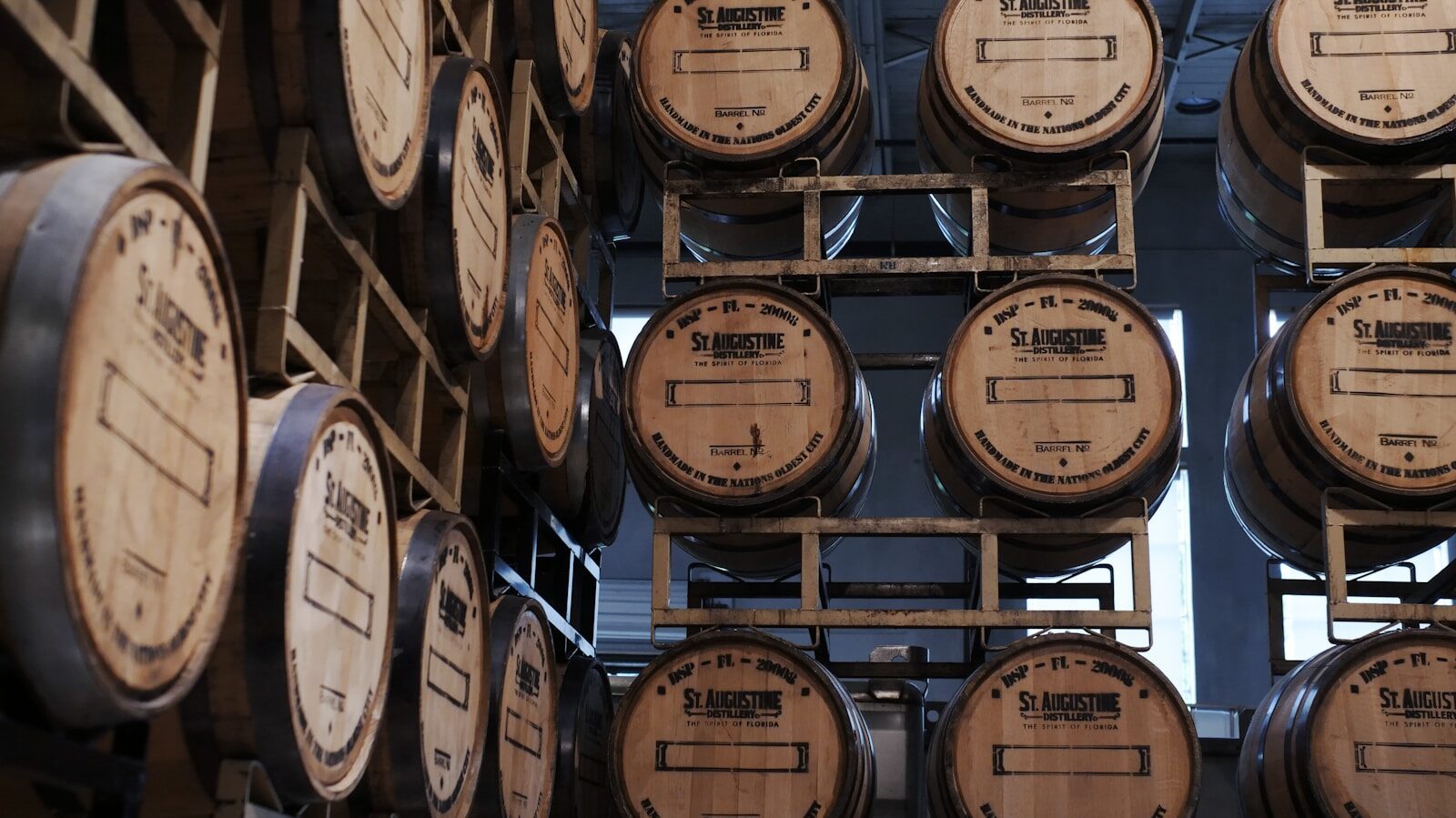
The answer is no. That flavor comes entirely from the wood. It is caused by a specific chemical compound known as Oak Lactones (or whisky lactones).
In this guide, we are going to explore the chemistry of the barrel, why American Oak is the king of coconut, and how to spot these flavors in your glass.
Table of Contents
Click below to jump to a section:
1. What are Oak Lactones?
The scientific name is beta-methyl-gamma-octalactone.
It is a lipid (fat) found naturally in the grain structure of oak trees. It is not created by fermentation or distillation; it sits dormant in the wood waiting to be released.
When high-proof alcohol enters the barrel, it acts as a solvent. It breaks down the wood structure and extracts these lipids into the liquid. Once dissolved in the whisky, our nose perceives these compounds as coconut, woodruff, and celery.
Oak Lactones Whisky science is what separates “brown spirits” from vodka. Without lactones, whisky would lack its creamy, rounded mouthfeel.
2. American vs. European Oak
This is the most important distinction for the drinker. Not all oak trees have the same chemistry.
American White Oak (Quercus Alba):
This species grows fast and dense in the US. It contains massive amounts of oak lactones. This is why Bourbon (which must be aged in new American oak) is famous for flavors of vanilla, caramel, and coconut.
European Oak (Quercus Robur):
This species grows slower and has a looser grain. It contains very few lactones but is high in tannins (gallic acid). This creates spicy, dry, and dark fruit notes (like Christmas cake), but rarely coconut.
If you taste coconut, you are almost certainly drinking a spirit aged in American Oak.
How does the barrel make it sweet?
Read about the “Red Layer” in our Cooperage Guide (Vol 130).
3. The Two Types: Cis vs. Trans
To get even geekier, there are two isomers (forms) of oak lactone. They smell completely different.
- Cis-lactone: This is the potent one. It smells intensely of coconut and earth. It has a very low sensory threshold, meaning you can smell it even in tiny concentrations (1 part per million). American Oak is rich in cis-lactones.
- Trans-lactone: This is the subtle one. It smells more like clove, spice, and toast. It is less dominant and supports the other flavors.
The ratio of these two compounds defines the “House Style” of a distillery based on their wood policy.
4. The Impact of Toasting
The cooper (barrel maker) can manipulate how much coconut flavor ends up in your glass by using fire.
Toasting the barrel (heating it gently without burning it) brings the lactones to the surface. It degrades the wood polymers and makes the coconut notes accessible.
However, Heavy Charring (burning the wood to a crisp) can actually destroy or mask the lactones.
This is why “Toasted Barrel” finishes (like Michter’s Toasted Barrel or Woodford Double Oaked) often taste like marshmallow and coconut cream pie. They maximize the lactone extraction without hiding it behind smoke and charcoal.
Charring vs Toasting?
Understand the difference in our detailed guide (Vol 130).
5. Bottles to Try (The Coconut Bomb)
Want to train your palate to detect Oak Lactones Whisky flavors? Try these bottles:
- Jack Daniel’s Single Barrel: JD uses their own cooperage and specific toasting methods that highlight heavy banana and coconut notes.
- Michter’s US*1 American Whiskey: Uses used barrels, allowing the lactones to shine without the heavy vanilla of new oak overpowering them.
- Deanston Virgin Oak: A Scotch whisky finished in brand new American Oak. It is a lactone explosion of coconut and honey.
Summary: Wood Alchemy
The next time you nose a bourbon and smell the tropics, you are smelling the biology of the American White Oak tree.
It is a reminder that whisky is an agricultural product twice over: once from the field (barley/corn) and once from the forest (oak).
Oak lactones are the secret ingredient that turns harsh spirit into liquid gold.
Become a Certified Expert
Take your knowledge from “hobbyist” to “connoisseur.” Join our Virtual Whiskey Tasting VIP program and get guided lessons, rare bottle alerts, and tasting notes sent straight to your inbox.