

Lagavulin 16 Review: A Whisky Experience Worth Investing In (2026)
Sip & Learn: Volume 105
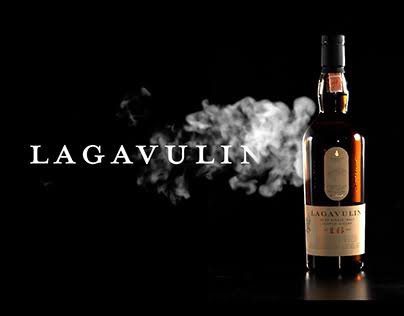
If there is one bottle that defines the island of Islay, it is this one.
In this Lagavulin 16 review, we are looking at a giant. It is often called the “King of Islay.” It is the preferred drink of fictional characters (Ron Swanson) and real-world connoisseurs alike.
But in 2026, the price has crept up. It is no longer a cheap supermarket grab; it is a premium purchase.
This begs the question: Is it still worth it?
Does the liquid inside justify the price tag, or are you just paying for the brand name?
In this deep dive, we are going to explore the smoke, the sherry, and the science behind Lagavulin to help you decide if this bottle deserves a permanent spot on your bar.
Table of Contents
Click below to jump to a section:
1. The Distillery: 200 Years of Smoke
Lagavulin (pronounced Laga-vool-in) sits in a small bay on the south coast of Islay, right next to its rivals Laphroaig and Ardbeg.
While its neighbors are famous for being aggressive and “in your face,” Lagavulin is famous for being Rich and Regal.
The Equipment:
They use pear-shaped pot stills. These stills have a very steep “Lyne Arm.” This means the alcohol vapor rushes down into the condenser quickly, taking all the heavy, oily, smoky compounds with it.
They do not want a “clean” spirit. They want a dirty, heavy spirit that can stand up to long aging in oak.
What is Islay Peat?
Read our guide on the history of Islay’s peat bogs here.
2. The Science: Why 16 Years Matters
Most distilleries release their flagship bottle at 10 or 12 years old (e.g., Laphroaig 10, Ardbeg 10).
Lagavulin waits until 16 Years.
This is a massive financial commitment. Keeping spirit in a barrel for an extra 4 to 6 years means losing more liquid to evaporation (The Angels’ Share) and tying up inventory.
Why do they do it?
Peat smoke is volatile. Over time, the sharp, medicinal “iodine” notes fade away.
By waiting 16 years, the aggressive smoke calms down. It integrates with the wood sugars. The result is a smoke that tastes like a dying campfire or a cigar, rather than a chemical fire. It creates a balance that younger whiskies simply cannot achieve.
Does age equal quality?
We explain the science of aging in this guide.
3. Tasting Notes: The Three-Act Structure
Any honest Lagavulin 16 review must talk about the journey. It is not a one-note whisky.
It is aged in American Oak and finished in Sherry Casks, giving it a deep amber color and a layer of sweetness that hides behind the smoke.
The Nose:
Intense peat smoke, iodine, and seaweed. But underneath, there is rich dried fruit, figs, and a hint of vanilla.
The Palate:
Thick and oily mouthfeel. A burst of Sherry sweetness (raisins and dates) followed immediately by a massive wave of dry peat smoke and salty brine.
The Finish:
It lasts forever. Spicy, savory, and smoky. It leaves a taste of drifting smoke and salted caramel.
Want to taste like a pro?
Use our 5-Step Tasting Method to find these notes.
4. Food Pairing: The Steak Companion
Lagavulin 16 is one of the few whiskies that can stand up to a heavy dinner.
While lighter whiskies get lost when paired with food, the intense smoke and 43% ABV of Lagavulin cuts right through fat.
The Perfect Pairing: Blue Cheese or Steak.
The saltiness of a Roquefort cheese matches the saltiness of the Islay sea spray. The fat of a Ribeye steak is cleansed by the smoke. It is a culinary experience that wine struggles to match.
More pairing ideas:
Check out our Ultimate Food Pairing Guide here.
5. Value for Money in 2026
Is it expensive? Yes. Depending on where you live, it can range from $90 to $120.
But is it good value? Yes.
When you compare it to other 16 or 18-year-old Scotches on the market (like Macallan 18 which can cost $400), Lagavulin 16 remains remarkably affordable for the age statement.
It is a “Blue Chip” whisky. It is reliable. It is consistent. You can pour it for a boss, a father-in-law, or an expert, and they will all respect it.
6. Summary: The Benchmark
Every whisky lover needs a smoky bottle on their shelf for cold nights.
While there are peatier whiskies (Octomore) and sweeter whiskies (Bowmore), Lagavulin 16 remains the perfect balance of both.
It is not just a drink; it is an atmosphere. It is a leather chair by a fire in a glass.
Become a Certified Expert
Take your knowledge from “hobbyist” to “connoisseur.” Join our Virtual Whiskey Tasting VIP program and get guided lessons, rare bottle alerts, and tasting notes sent straight to your inbox.