

How to Host a Whisky Tasting at Home: The Ultimate Expert Guide (2026)
Sip & Learn: Volume 21
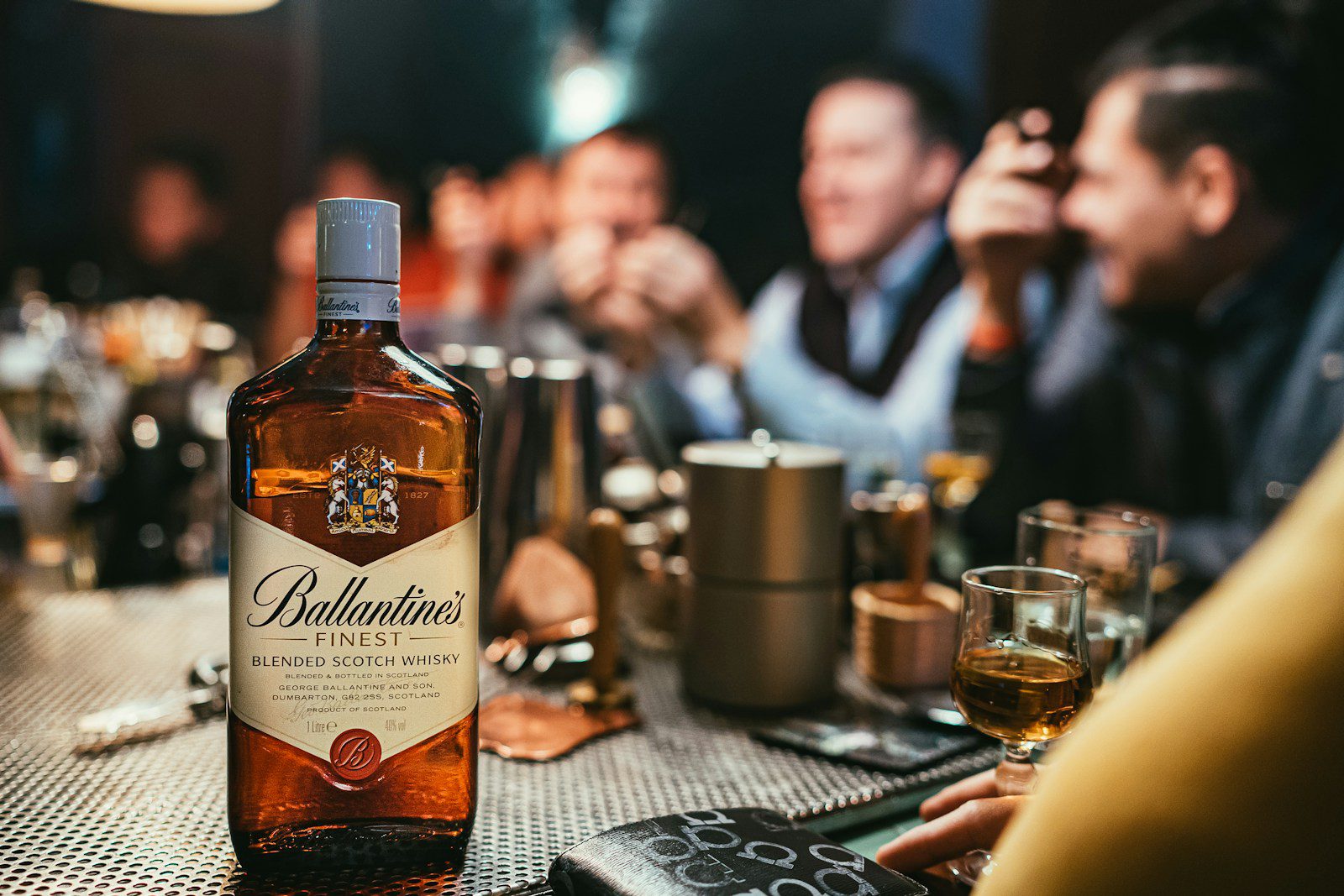
Learning how to host a whisky tasting is one of the most rewarding skills a connoisseur can have. It transforms a casual Friday night drink into a memorable sensory experience.
It sparks deep conversation. It allows you and your friends to compare notes, debate flavors, and discover nuances in a bottle that you might have missed on your own.
However, there is a fine line between a structured “tasting” and just “drinking.” If you simply open five bottles and start pouring, palates will get fatigued, guests will get confused, and the expensive whisky you bought will go to waste.
To host a professional-level event in 2026, you need a plan. You need the right glassware, a logical order for the bottles, and the correct palate cleansers to keep taste buds sharp.
In this comprehensive guide, we will teach you exactly how to host a whisky tasting that turns your living room into a high-end tasting room.
Table of Contents
Click below to jump to a section:
1. Planning How to Host a Whisky Tasting at Home
The biggest mistake hosts make is opening random bottles. If you pour a Bourbon, then a peated Scotch, then a Rye, your guests will be confused. Their palates will be overwhelmed by the shifting sugar and smoke levels.
A great tasting needs a narrative. When you are figuring out how to host a whisky tasting, start by picking a “Theme.” This gives your guests a roadmap for what they are experiencing.
Here are three proven themes used by professionals:
Compare whiskies from different regions side-by-side. For example, pour a Speyside Scotch (fruity), a Highland Scotch (floral), and an Islay Scotch (smoky). This teaches guests how geography changes flavor.
2. The Vertical Tasting (Advanced):
Choose one brand (e.g., Glenfiddich) and taste their 12-year, 15-year, and 18-year expressions. This highlights how wood aging affects the spirit over time.
3. The Blind Tasting (Most Fun):
Cover the labels with foil or use decanters. Have guests guess the price or the region. This removes “Label Bias”—often, people realize they prefer the $40 bottle over the $100 one!
2. The Setup: Glassware, Mats & Ambiance
If you want to know how to host a whisky tasting properly, you must ditch the shot glasses. You cannot nose a spirit in a straight-walled glass because the aromas escape too quickly.
Glassware Essentials:
You need tulip-shaped glasses (like Glencairns or Copitas). The bulbous bottom allows the whisky to aerate, while the narrow neck funnels the aromas directly to the nose. Smell accounts for nearly 80% of what we perceive as “flavor,” so the glass is your most important tool.
The Tasting Mat:
Use a Tasting Mat. This is a simple sheet of paper, slate, or leather with circles for the glasses. It allows you to write the name (or number, if blind) of the whisky under the glass. After three or four pours, guests will mix them up if they aren’t labeled.
3. The Lineup: Why Order Matters
There is a golden rule for serving order: Light to Heavy.
Always start with the lightest, most delicate floral whiskies. End with the high-proof, sherry-bomb, or smoky whiskies.
The Science of Palate Fatigue:
If you drink a heavy, smoky Lagavulin first, the phenols (smoke compounds) will coat your tongue. If you try to drink a delicate Glenfiddich afterwards, it will taste like water. You have “blown out” your palate.
A Standard Flow:
1. Irish or Lowland Scotch (Light/Grainy)
2. Speyside or Bourbon (Sweet/Fruity)
3. Highland or Rye (Spicy/Robust)
4. Islay or Cask Strength (Smoky/Intense)
Need bottle ideas? Not sure where to start?
Check out our list of the 5 Best Single Malts for Beginners to build your lineup.

4. Palate Cleansers & Food Pairings
Alcohol acts as an anesthetic—it eventually numbs the tongue. To keep the tasting sharp across 4 or 5 different bottles, you need palate cleansers.
The Importance of Water:
Hydration is essential. Provide a water jug and a dropper for every guest. Not only does drinking water keep you sober, but adding a drop of water to the whisky releases hydrophobic compounds, unlocking new flavors.
Snacks to Serve (and Avoid):
Avoid spicy food, garlic, or heavy onions before a tasting. These flavors linger and distort the spirit. Instead, offer neutral or complementary bites:
- Dark Chocolate (70%+): The bitterness pairs beautifully with sherry-cask whisky and bourbon.
- Oatcakes or Unsalted Crackers: The perfect neutral flavor to reset the mouth between pours.
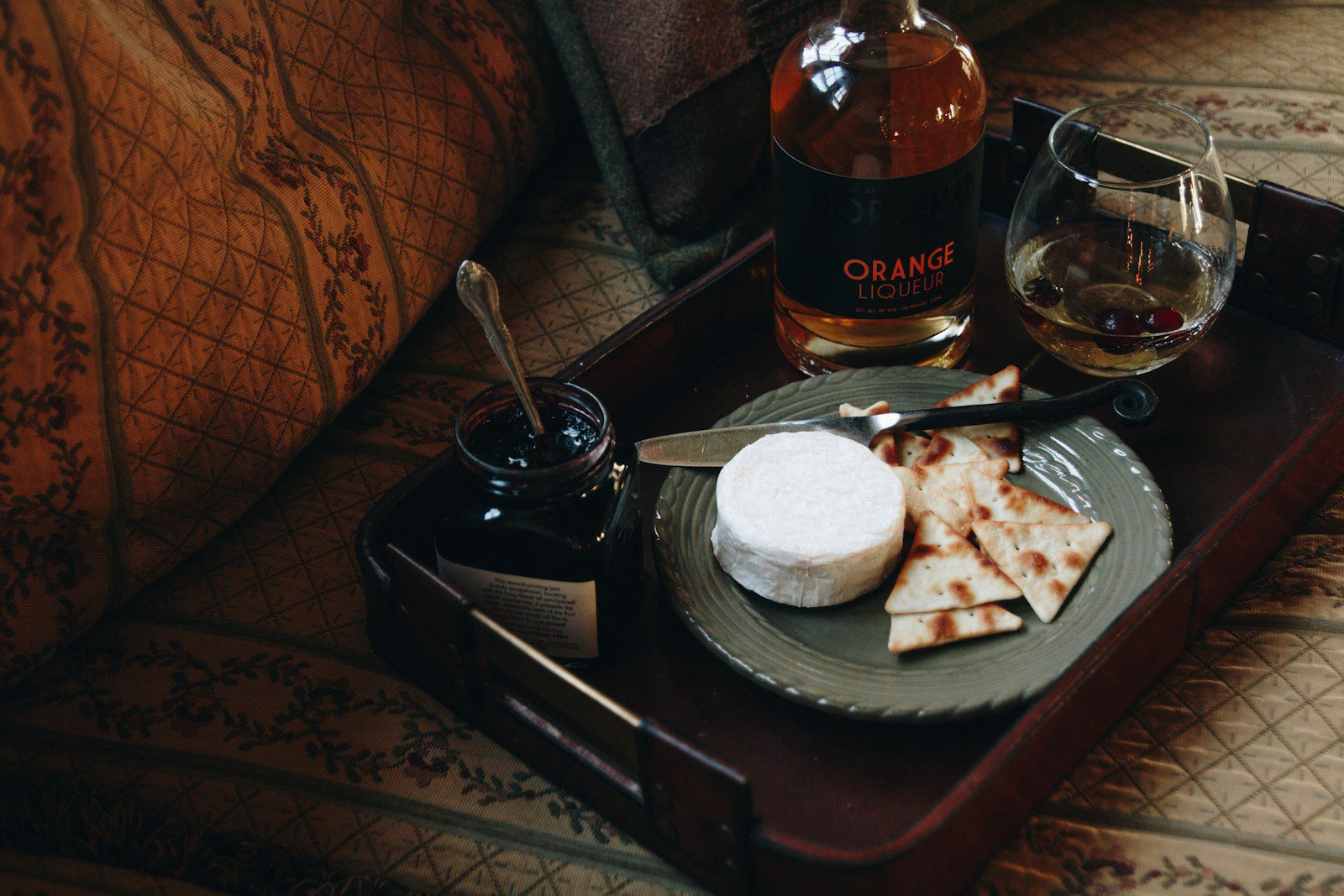
- Hard Cheese: Aged cheddar or Parmigiano-Reggiano works wonders with smoky whisky, as the fat cuts through the peat.
- Dried Fruit: Apricots and figs highlight the fruity esters in the spirit.
5. Guiding the Experience: The Scorecard
As the host, it is your job to guide the room. This doesn’t mean you need to lecture your friends for an hour, but you should provide a framework.
Gamify the Night:
Give everyone a simple scorecard or notebook. Ask them to rate each whisky on Nose, Palate, and Finish.
Encourage your guests to follow the 3 Steps of Professional Tasting:
1. The Nose: Smell it gently. Don’t stick your nose deep in the glass or you will burn your sensors. Keep your mouth slightly open to circulate air.
2. The Palate: Take a small sip. “Chew” the whisky. Let it roll over the tongue for 10 seconds before swallowing.
3. The Finish: Swallow and exhale through your nose. What flavors linger? Is it spicy, sweet, or dry?
Summary: Mastering How to Host a Whisky Tasting
Hosting a tasting doesn’t need to be stuffy or pretentious. It is about sharing a journey through flavor.
By following these steps on how to host a whisky tasting, you ensure your guests leave with a new appreciation for the spirit (and perhaps a new favorite bottle). Remember to drink responsibly and arrange transport for your guests if needed.
Become a Certified Expert
Take your knowledge from “hobbyist” to “connoisseur.” Join our Virtual Whiskey Tasting VIP program and get guided lessons, rare bottle alerts, and tasting notes sent straight to your inbox.