

Heads, Hearts, and Tails: The Art of the Whisky Distillation Cuts (2026)
Sip & Learn: Volume 66
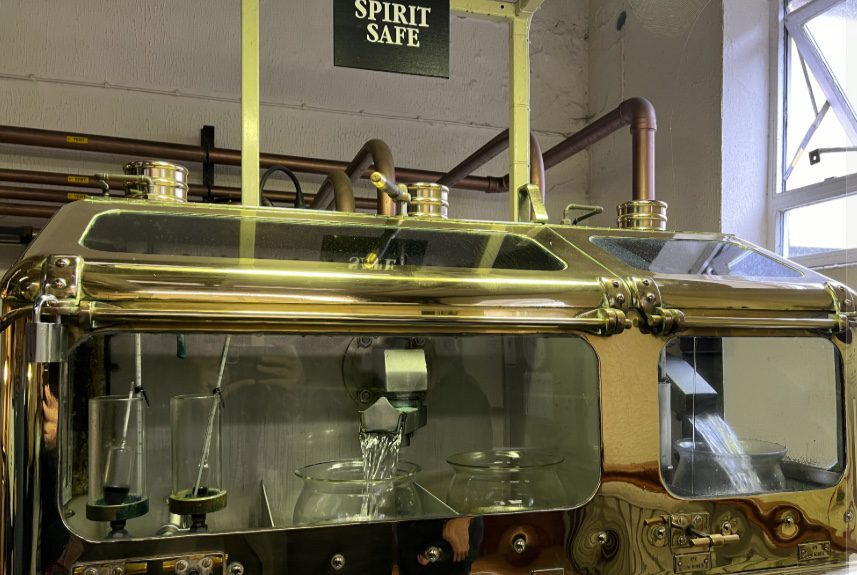
The difference between a premium Single Malt and “Rotgut” moonshine often comes down to one single decision: The Whisky Distillation Cuts.
Distillation is not just about boiling liquid. It is about separation.
When you heat up fermented wash (beer), different compounds boil at different temperatures. Some of these compounds taste like fruit and vanilla. Others taste like nail polish remover, wet cardboard, or burning plastic.
The Stillman’s job is to separate the good from the bad. They divide the spirit into three parts: The Heads, The Hearts, and The Tails.
In this guide, we are going to take you inside the Spirit Safe. We will explain the chemistry of Whisky Distillation Cuts and why the “Middle Cut” is the most expensive liquid on earth.
Table of Contents
Click below to jump to a section:
1. The Concept: Fractional Distillation
Before we can understand Whisky Distillation Cuts, we need a quick chemistry refresher.
Inside the Pot Still, there is a mixture of water, alcohol, and congeners (flavor molecules). They all have different boiling points.
- Methanol (Bad): Boils at 64.7°C (148°F).
- Ethanol (Good): Boils at 78.4°C (173°F).
- Water (Neutral): Boils at 100°C (212°F).
As the still heats up, the first vapors to rise are the lightest, most volatile compounds (Methanol). As the still gets hotter, the heavier compounds (Ethanol) rise. Finally, the heavy, oily, watery compounds rise last.
The distiller watches the flow of spirit through a glass box called the Spirit Safe and manually directs the flow into different tanks.
Curious about the machinery?
Read our guide on Pot Stills vs Column Stills here.
2. The Heads (Foreshots): The Poison
The first liquid to come off the still is called the Heads (or Foreshots).
Appearance: Crystal clear.
Strength: Extremely high (75% – 85% ABV).
Smell: Solvent, Nail Polish Remover, Paint Thinner.
This liquid contains high concentrations of Methanol and Acetone. Methanol is toxic; drinking it can cause blindness. Acetone gives you a splitting headache.
The distiller directs this liquid into a separate tank called the “Feints Receiver.” It is not thrown away; it is recycled into the next batch to be distilled again, but it is never put into a barrel.
3. The Hearts (Middle Cut): The Gold
After about 15-30 minutes, the nasty solvent smell disappears. The liquid starts to smell sweet, fruity, and grassy.
This is the Heart.
Appearance: Crystal clear.
Strength: 65% – 75% ABV.
Smell: Apples, Pears, Malt, Flowers.
The Stillman turns a handle on the Spirit Safe, directing this liquid into the “Spirit Receiver.” This is the only part of the run that will become whisky.
This liquid is mostly Ethanol (potable alcohol) and Esters (fruity flavor compounds created during fermentation).
The New Make Spirit:
At this stage, it is not whisky yet. It is “New Make Spirit.” It is clear, fiery, and full of potential. It needs wood to calm it down.
Where does the flavor come from?
Learn how Yeast creates these fruity esters in our Fermentation Guide.
4. The Tails (Feints): The Funk
As the distillation continues, the temperature rises and the alcohol content drops.
Eventually, the spirit starts to smell heavy, oily, and vegetal.
These are the Tails (or Feints).
Appearance: Can become slightly cloudy.
Strength: Drops below 60% ABV.
Smell: Wet cardboard, sweaty cheese, wet dog, vegetal.
These are “Fusel Oils” (Propanol, Butanol). In high quantities, they taste disgusting. However, in tiny quantities, they add weight and texture to the whisky.
The distiller switches the flow back to the Feints Receiver to be recycled.
5. Wide vs. Narrow Cuts: Defining Flavor
This is where the artistry of Whisky Distillation Cuts happens.
The distiller decides exactly when to start collecting the Hearts and when to stop.
The Narrow Cut (Light & Fruity)
Distilleries like Glenmorangie take a very “narrow” cut. They start collecting the Hearts late and stop very early.
They capture only the purest, lightest esters (fruit). They avoid almost all the Tails. This creates a delicate, floral spirit.
The Wide Cut (Heavy & Oily)
Distilleries like Laphroaig or Ben Nevis take a “wide” cut. They let the distillation run longer, allowing some of the Tails (Fusel Oils) to sneak into the Hearts.
This adds “Funk.” It adds phenolic, meaty, and oily notes. It creates a spirit that feels thick in your mouth.
The Demisting Test:
Traditionally, the Stillman would mix the spirit with water in the safe. If it turned cloudy (blue), it meant the oils from the Tails were present, and it was time to cut.
Why does it go cloudy?
Read our guide on Chill Filtration to understand the “Scotch Mist.”
6. Summary: Why You Pay for the Cut
Cheap whisky often uses a very wide cut to maximize volume. They include more Heads and Tails to get more bottles out of a batch. This is why cheap vodka or whisky gives you a worse hangover—you are drinking impurities.
Premium Whisky Distillation Cuts are ruthless. The distiller throws away a huge amount of liquid to ensure only the pristine “Heart” enters the barrel.
You are paying for what they threw away, so that you don’t have to drink it.
Become a Certified Expert
Take your knowledge from “hobbyist” to “connoisseur.” Join our Virtual Whiskey Tasting VIP program and get guided lessons, rare bottle alerts, and tasting notes sent straight to your inbox.