
Whisky Cooperage: How Barrels are Made (Charring vs. Toasting)
Sip & Learn: Volume 130
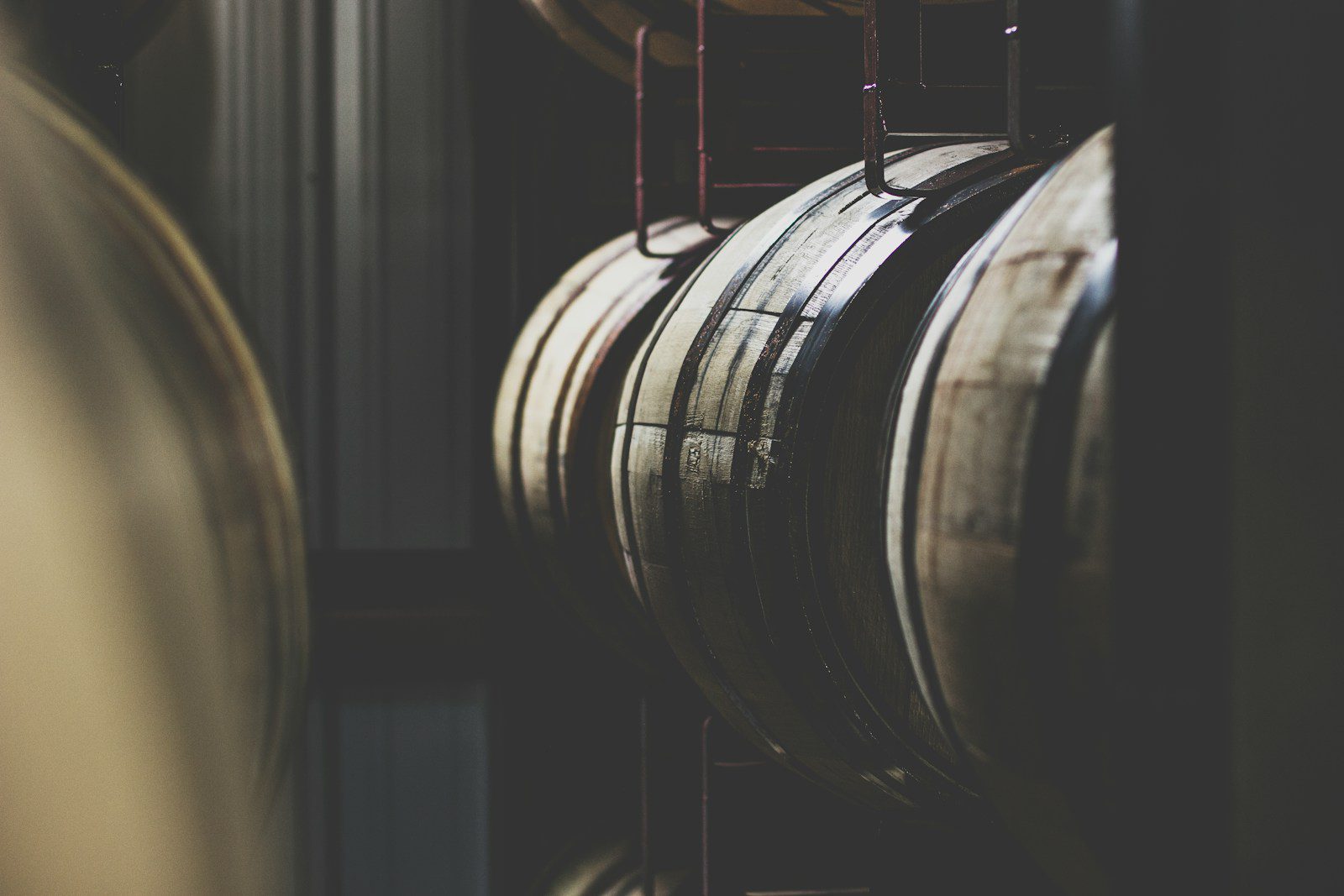
When whiskey flows off the still, it is crystal clear and tastes mostly of grain and yeast. It is essentially moonshine.
So where does the golden color come from? Where do the notes of vanilla, caramel, coconut, and spice come from?
The answer is the wood. In fact, most experts agree that 60% to 70% of a whiskey’s flavor comes from the barrel.
But a barrel isn’t just a bucket made of trees. It is a highly engineered piece of technology, crafted in a factory called a Whisky Cooperage. It is here that wood, fire, and water are manipulated to create the vessel that will house the spirit for decades.
In this guide, we are going inside the cooperage to understand the crucial difference between Charring and Toasting, and why setting a barrel on fire is the secret to great bourbon.
Table of Contents
Click below to jump to a section:
1. What is a Cooperage?
A Whisky Cooperage is the facility where barrels are built. A “Cooper” is the skilled craftsman who builds them.
The process hasn’t changed much in 2,000 years. Coopers take staves of American White Oak (or European Oak), arrange them in a circle, and use heat and moisture to bend the wood into shape.
Crucially, no glue or nails are used. The barrel is held together purely by the pressure of steel hoops and the swelling of the wood. If a cooper does their job poorly, the whiskey leaks out. If they do it well, the barrel can last for 50 years.
2. Toasting: The Slow Bake
Before a barrel is finished, it must be heat-treated.
Toasting is a gentle process. The barrel is placed over a low flame or heat source for a long period (15 to 45 minutes). The goal isn’t to burn the wood, but to cook it deep down.
The Chemistry:
Heat breaks down the chemical bonds in the oak. It degrades the lignin into vanillin (vanilla flavor) and breaks down hemicellulose into wood sugars.
Think of it like toasting bread. You want it brown and nutty, not black.
3. Charring: The Intense Fire
This is where Bourbon gets its soul.
Charring is an aggressive process. The inside of the barrel is set on fire with an intense gas flame for a short period (15 to 55 seconds). This turns the interior surface into pure black charcoal.
Char Levels:
Distilleries order specific “Char Levels” from the Whisky Cooperage:
- No. 1 Char (15 seconds): Light char.
- No. 3 Char (35 seconds): Standard for most Bourbons.
- No. 4 Char (55 seconds): Known as the “Alligator Char” because the wood cracks and looks like reptile skin.
Why does Bourbon require new barrels?
Learn about the laws of American Whiskey (Vol 124).
4. The “Red Layer” (Caramelization)
The magic happens right between the charred black surface and the raw unburnt wood.
This thin band of wood is called the Red Layer.
Because the fire was so hot, the wood sugars in this layer have caramelized, turning into a form of wood toffee. As the whiskey expands and contracts with the seasons, it seeps through the charcoal filter and hits this Red Layer, dissolving the caramelized sugars.
This is exactly why Bourbon tastes sweet, while Scotch (often aged in used barrels that have lost their Red Layer) tastes drier.
5. Flavor Impact: Char vs. Toast
So, how do you taste the difference in your glass?
Toasted Barrel Profile
(Common in Wine and some finishing casks)
- 🥥 Coconut
- 🍞 Toasted Almonds
- 🌶️ Baking Spices (Clove, Cinnamon)
Charred Barrel Profile
(Required for Bourbon)
- 🍬 Caramel & Toffee
- 🍦 Vanilla Bean
- 🔥 Smoke & Campfire
- 🌑 Filtration (Removes harsh sulfur notes)
Worried about woody taste?
Read about Tannins and Over-Oaking (Vol 117).
Summary: The Barrel is an Ingredient
The work done at the Whisky Cooperage is just as important as the work done by the Master Distiller.
Without the char, whiskey would be harsh and pale. Without the toast, it would lack complexity.
So the next time you see “Alligator Char” or “Toasted Barrel Finish” on a label, you know exactly what happened: someone played with fire to make your drink delicious.
Become a Certified Expert
Take your knowledge from “hobbyist” to “connoisseur.” Join our Virtual Whiskey Tasting VIP program and get guided lessons, rare bottle alerts, and tasting notes sent straight to your inbox.