

Understanding Whisky Cask Finishes: Sherry, Port, & Rum (2026)
Sip & Learn: Volume 51
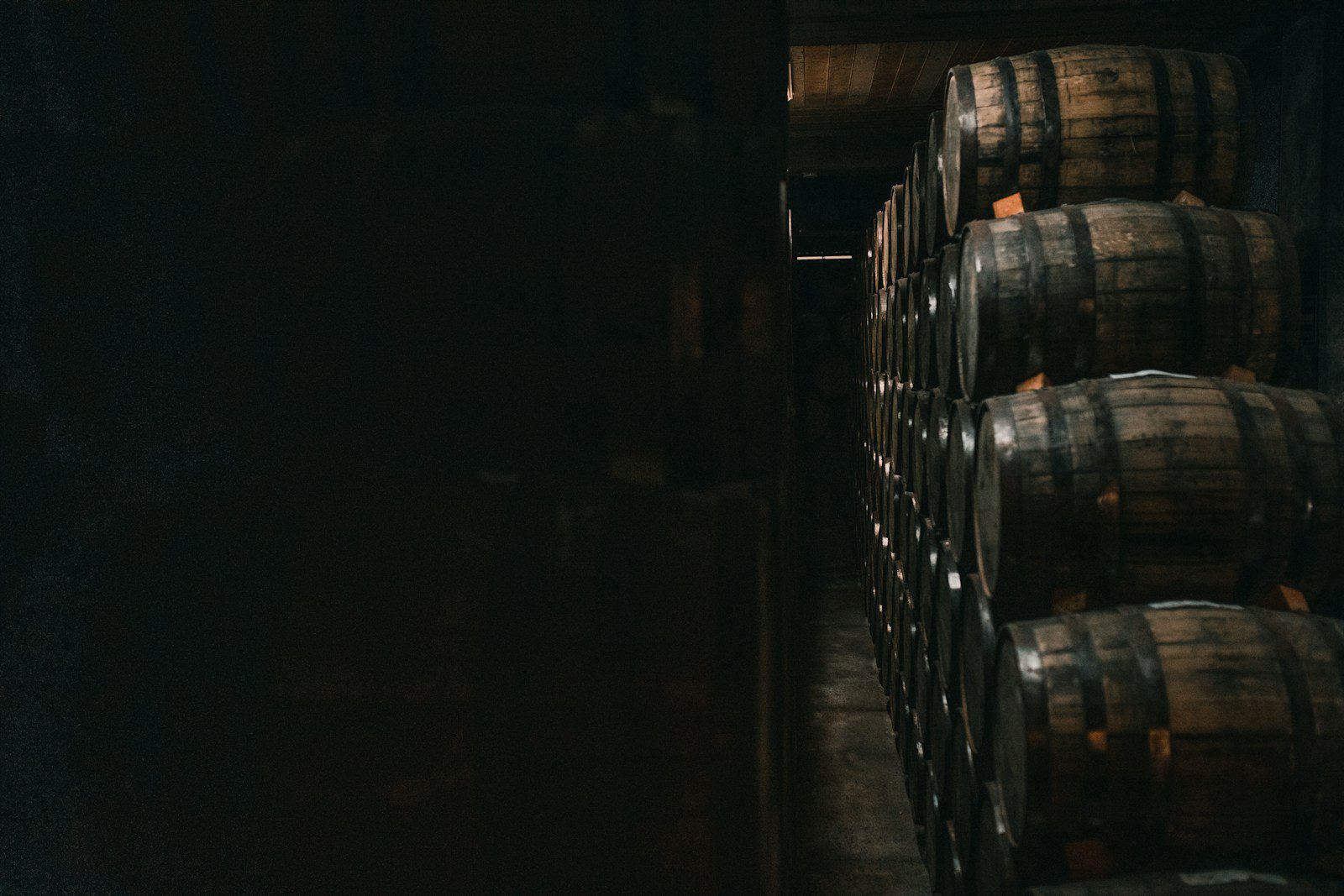
If you look at a shelf of modern Scotch in 2026, you will see a confusing array of terms: “Port Wood Finish,” “Rum Cask,” “French Oak Finish,” “Double Wood.”
Twenty years ago, this was rare. Today, whisky cask finishes are the dominant trend in the industry.
But what does it actually mean? Is a “Sherry Finish” the same as a “Sherry Matured” whisky? (Hint: No, it is not).
Finishing is an art form. It allows a distiller to take a standard whisky and twist the flavor profile in a new direction. However, it is also used by some brands to mask the taste of young or boring spirit.
In this guide, we are going to break down the science of whisky cask finishes so you know exactly what you are buying.
Table of Contents
Click below to jump to a section:
1. What is a “Finish”? (The 90/10 Rule)
To understand whisky cask finishes, you have to understand the standard lifecycle of a Scotch whisky.
Most Scotch spends its life (let’s say 12 years) in Ex-Bourbon Barrels. These are cheap, plentiful, and give the spirit a base flavor of vanilla and honey.
The “Finish” (or Secondary Maturation):
After those 12 years, the distiller pumps the liquid out of the Bourbon barrel and into a different, more active cask (like a Sherry Butt or a Rum Puncheon).
The whisky sits in this second cask for a short time—usually 6 months to 2 years.
The 90/10 Rule:
Think of the first maturation as the cake, and the finish as the frosting. The Bourbon barrel provides the structure (90% of the time). The Finish provides the top notes and the color (10% of the time).
Why Bourbon barrels?
Read our guide on Bourbon vs Sherry Casks to learn why.
2. Sherry Finishes: The Classic Twist
Sherry is the most popular type of finish. It adds richness and color.
However, a “Sherry Finish” is very different from “Sherry Matured.”
- Sherry Matured: Spent 12 years in Sherry wood. Deep, dark, oxidized flavor (leather, tobacco, furniture polish).
- Sherry Finish: Spent 10 years in Bourbon, 2 years in Sherry. Lighter, sweeter, with a layer of fresh fruit on top.
Common Sherry Types:
Oloroso Finish: Adds nuttiness, dry spice, and raisins.
Pedro Ximénez (PX) Finish: Adds intense sweetness, syrup, and chocolate.
3. Rum Finishes: The Sugary Coating
One of the most fun whisky cask finishes is Rum.
The Balvenie famously pioneered this with their “Caribbean Cask” release.
Rum casks are soaked in molasses and tropical sugars. When you put whisky into them, the spirit pulls that sugar out of the wood very quickly.
The Flavor Profile:
Expect notes of brown sugar, bananas, pineapples, and toffee. It makes the whisky taste “sticky” and dessert-like.
This is an excellent choice for beginners who find traditional Scotch too dry or woody.
Love sweet whisky?
You might also like Bourbon. Check out our beginner’s list here.
4. Wine & Port Finishes: The Color Booster
Red wine casks (Port, Madeira, Bordeaux) are powerful.
They are often used to add a “Pink” or “Ruby” hue to the whisky. This looks beautiful on the shelf.
Port Finish: Usually adds notes of red berries, strawberry jam, and white pepper. (Example: Glenmorangie Quinta Ruban).
French Wine Finish: Adds tannins. It can make the whisky feel “dry” on the tongue, similar to drinking a glass of Cabernet Sauvignon.
Warning: Wine finishes are tricky. If left too long, the sulphur from the wine cask can ruin the whisky, making it taste like struck matches. It requires a skilled Master Blender to get it right.
5. How to Spot it on the Label
Marketing departments use specific language to tell you if a whisky is “Finished” or “Matured.”
Decode the Label:
- “Double Wood” / “Double Cask”: Almost always means a Finish (Bourbon first, then Sherry).
- “Wood Finish”: Explicitly states it was moved to a second cask.
- “Sherry Oak”: Usually implies Full Maturation (spent its whole life in Sherry). This is rarer and more expensive.
Need help reading the bottle?
Check out our Master Guide to Reading Whisky Labels.
6. Summary: Gimmick or Innovation?
Are whisky cask finishes a gimmick? Sometimes.
A bad whisky finished in a good cask is still a bad whisky. You cannot hide a poor spirit with fancy wood.
However, when done correctly, finishing adds a layer of complexity that is impossible to achieve with a single cask. It gives you the best of both worlds: the vanilla sweetness of American Oak and the fruity spice of European Oak.
Our advice? Look for “Double Wood” bottlings from reputable distilleries like Balvenie or Aberlour. They set the standard.
Become a Certified Expert
Take your knowledge from “hobbyist” to “connoisseur.” Join our Virtual Whiskey Tasting VIP program and get guided lessons, rare bottle alerts, and tasting notes sent straight to your inbox.