

Whisky Bottle Oxidation vs Evaporation: What Happens Inside?
Sip & Learn: Volume 142
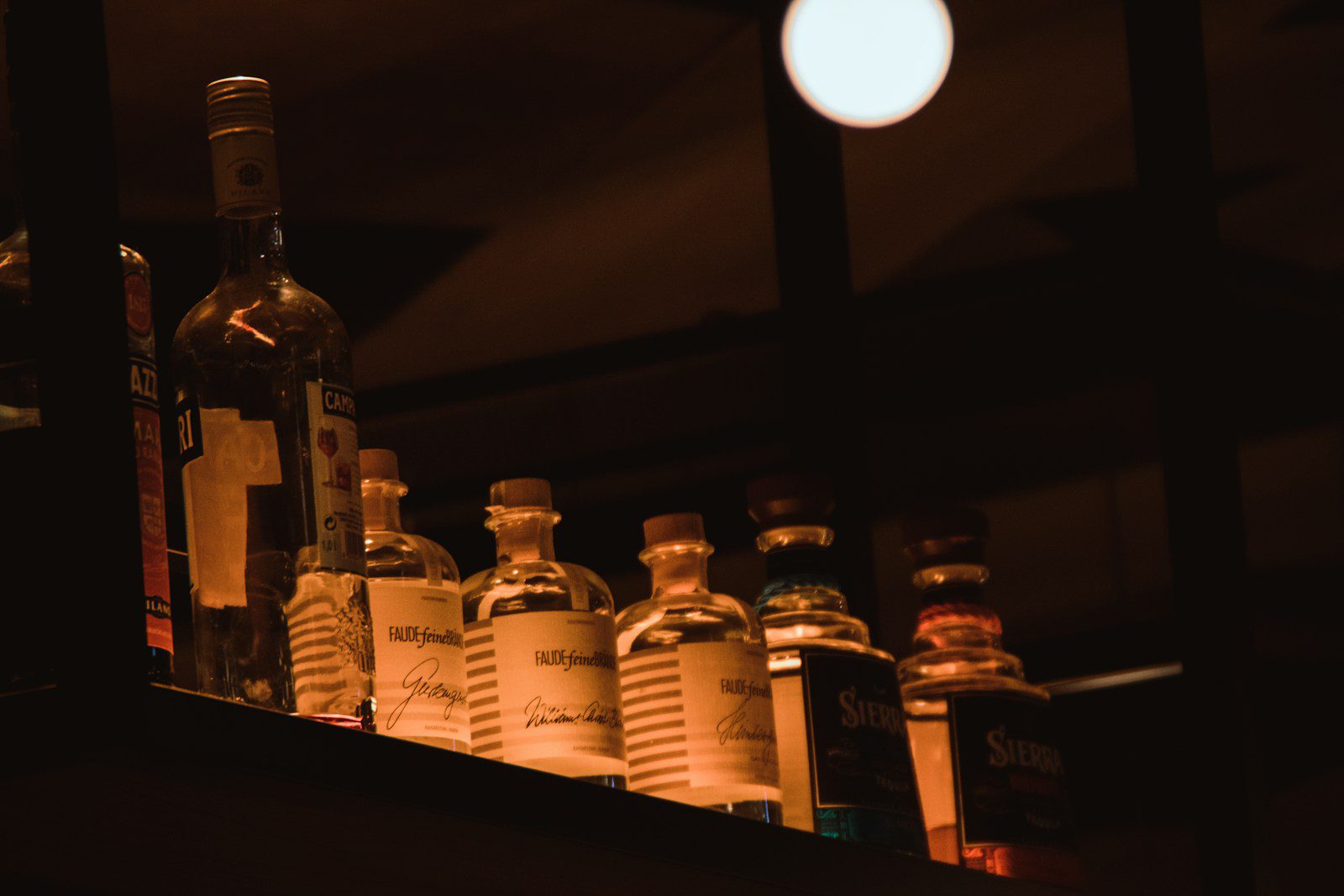
There is a myth that whisky lasts forever.
While it is true that a sealed bottle can outlive its owner, the moment you pop the cork, a countdown clock begins.
Have you ever returned to a bottle of peated scotch that has been sitting half-empty on your shelf for two years, only to find that the smoke has vanished and the liquid tastes “flat”?
That is the result of air attacking your spirit.
However, collectors often confuse two different scientific processes: Whisky Bottle Oxidation and Evaporation. One changes the flavor profile chemically; the other changes the alcohol strength physically.
In this guide, we are going to explain what happens inside the bottle after you open it, and how to stop your precious collection from fading away.
Table of Contents
Click below to jump to a section:
1. What is Oxidation? (The Flavor Killer)
Whisky Bottle Oxidation is a chemical reaction.
When oxygen from the air interacts with the organic compounds in the whisky (esters, phenols, aldehydes), it changes their structure.
The Effect:
Initially, a little oxidation can be good. It “opens up” the whisky, mellowing harsh alcohol notes. This is why we let a glass breathe for 10 minutes before drinking.
However, over months or years, oxidation becomes destructive. It acts like a jagged eraser. It rubs out the delicate top notes first. The peat smoke dissipates. The bright citrus notes fade. Eventually, the whisky tastes “soapy,” “metallic,” or just incredibly dull.
2. What is Evaporation? (The Strength Killer)
While oxidation changes the chemistry, evaporation changes the volume.
No cork is 100% airtight. Over time, volatile ethanol vapors escape through the cork, and air rushes in to replace them.
The Effect:
The ABV (Alcohol By Volume) of your bottle slowly drops. A Cask Strength whisky that started at 60% might drop to 55% over a decade of poor storage.
As the alcohol leaves, the “body” and texture of the whisky collapse. The liquid becomes watery and thin. If the liquid level drops visibly below the neck, you are losing the battle against evaporation.
Why does ABV matter?
Review the definition of Proof in our Glossary (Vol 110).
3. The Danger Zone: Headspace
The speed of whisky bottle oxidation is determined by “Headspace” (the amount of air inside the bottle).
- Full Bottle (Neck Level): Very safe. Minimal air contact. Will last for decades if sealed.
- 75% Full: Safe for 2-5 years. Oxidation is slow.
- 50% Full: The danger zone begins. You have about 1-2 years to finish it before flavor degradation becomes noticeable.
- 25% Full (The Heel): Critical condition. The ratio of air to liquid is massive. The oxygen will destroy the remaining spirit within 3-6 months.
4. Does Whisky Actually “Go Bad”?
Unlike wine, whisky does not turn into vinegar. It will not make you sick if you drink a bottle that has been open for 20 years.
Bacteria cannot survive in 40% ABV alcohol. So, from a food safety standpoint, it never “goes bad.”
However, from a flavor standpoint, it absolutely goes bad. It becomes a ghost of its former self. Drinking oxidized whisky is not dangerous, but it is disappointing—especially if it was an expensive bottle of Macallan or Pappy Van Winkle.
5. How to Protect Your Collection
If you have expensive bottles open, use these tactics to slow down the decay:
1. Decant Down:
When a bottle gets half empty, pour the liquid into a smaller (375ml or 200ml) glass bottle. This removes the headspace and resets the clock. This is the most effective method.
2. Parafilm:
Wrap the cork and neck in Parafilm (a laboratory-grade stretching wax tape). This creates an airtight seal that stops evaporation, though it cannot stop the oxidation caused by air already inside the bottle.
3. Inert Gas (Private Preserve):
This is a spray can of Argon or Nitrogen. You spray it into the bottle before corking. The gas is heavier than air, so it sits on top of the liquid, creating a protective blanket that prevents oxygen from touching the whisky.
Pro Tip:
Never store whisky bottles on their side (like wine). The high-proof alcohol will eat away at the cork, causing it to rot and tainting the flavor of the liquid.
Collecting rare bottles?
Check out our Macallan Investment Guide (Vol 140).
Summary: The 1-Year Rule
Whisky bottle oxidation is inevitable. The only way to stop it completely is to never open the bottle, which defeats the purpose of whisky.
A good rule of thumb is the 1-Year Rule: Once you crack the seal, aim to finish the bottle within a year.
If the bottle gets down to the “heel” (the last 2 inches), invite some friends over and finish it that night. Whisky is meant to be shared, not saved until it turns into flavorless water.
Become a Certified Expert
Take your knowledge from “hobbyist” to “connoisseur.” Join our Virtual Whiskey Tasting VIP program and get guided lessons, rare bottle alerts, and tasting notes sent straight to your inbox.