
Tennessee Whiskey vs Bourbon: The Lincoln County Process Explained (2026)
Sip & Learn: Volume 48
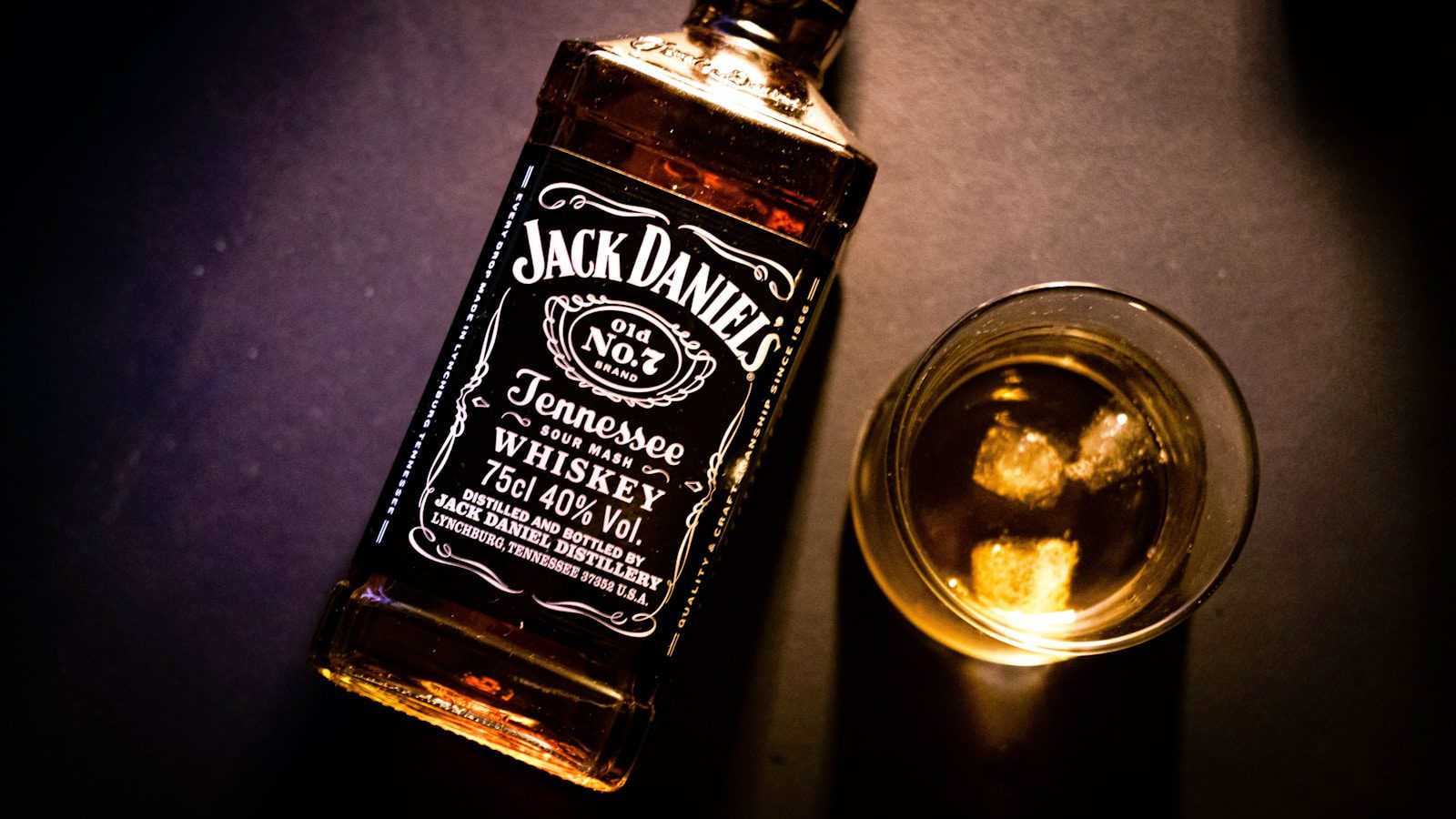
There is a question that starts fights in bars across the American South: “Is Jack Daniel’s a Bourbon?”
If you ask a Kentuckian, they might scoff and say, “No, it’s Tennessee water.”
If you ask the Master Distiller at Jack Daniel’s, he will correct you politely but firmly: “It is Tennessee Whiskey.”
But if you ask a chemist or a lawyer, the answer gets complicated.
The battle of Tennessee Whiskey vs Bourbon is not just about geography. It is about a specific production step called the “Lincoln County Process.”
In this guide, we are going to break down the legal definitions, the charcoal science, and the flavor differences so you can settle the debate once and for all.
Table of Contents
Click below to jump to a section:
1. The Legal Definition: Bourbon Rules
To understand the difference in Tennessee Whiskey vs Bourbon, we first have to define what Bourbon is.
According to US Federal Law, for a spirit to be labeled “Bourbon Whiskey,” it must meet five criteria:
- Location: Made in the United States (not just Kentucky).
- Grain: Made from a mash bill of at least 51% Corn.
- Still: Distilled to no more than 160 proof (80% ABV).
- Barrel: Aged in new, charred oak containers.
- Entry Proof: Entered into the barrel at no more than 125 proof.
Tennessee Whiskey meets all five of these criteria.
So, why isn’t it called Bourbon? Because the state of Tennessee added an extra rule.
Want to learn more about Bourbon?
Check out our guide to the Best Bourbons for Beginners here.
2. The Tennessee Twist: The Lincoln County Process
In 2013, the governor of Tennessee signed a law legally defining “Tennessee Whiskey.”
It stated that to use the name, the spirit must be made in Tennessee AND it must undergo the Lincoln County Process.
What is the Lincoln County Process?
It is a filtration step that happens before the whiskey goes into the barrel.
The clear, new-make spirit is dripped slowly through vats packed with Sugar Maple Charcoal. This can take days.
Note: This is not the same as “Chill Filtration” (which happens before bottling). This happens before aging.
The Charcoal:
The charcoal must be made from Sugar Maple trees. The distilleries burn the wood into coal themselves. This specific wood is believed to impart a sweet, mellow character.
3. Charcoal Mellowing: What Does it Taste Like?
The main difference in flavor between Tennessee Whiskey vs Bourbon is “Smoothness.”
The charcoal acts as a filter. It strips out some of the harsher fatty acids and oily congeners from the corn spirit. It essentially “polishes” the liquid.
Bourbon Profile:
Often bolder, spicier, and heavier. Because it goes straight from the still to the barrel, it retains all its natural grain oils.
Tennessee Whiskey Profile:
Lighter, sweeter, and “mellow.” The maple charcoal often imparts a distinct note of maple syrup, soot, or smoke. It is famously easy to drink.
Learning to identify flavors?
Use our 5-Step Tasting Method to spot the maple notes.
4. The Big Brands: Jack, George, and Uncle Nearest
There are three major players defining Tennessee Whiskey in 2026.
Jack Daniel’s (Lynchburg)
The giant. Their “Old No. 7” is the best-selling whiskey in the world. They drip their spirit through 10 feet of charcoal. This creates that signature banana/caramel flavor profile.
George Dickel (Tullahoma)
The rival. Dickel chills their whisky before filtering it through the charcoal. They claim this removes more impurities. Dickel is often considered “creamier” and has a cult following among connoisseurs.
Uncle Nearest (Shelbyville)
The history lesson. For a century, the story was that Jack Daniel invented the process. We now know he was taught by an enslaved man named Nearest Green (“Uncle Nearest”).
This brand honors his legacy. It is the fastest-growing whiskey brand in US history and has won countless awards. It is a premium Tennessee Whiskey that rivals the best Bourbons.
5. Is Jack Daniel’s Technically Bourbon?
This is the million-dollar question in the Tennessee Whiskey vs Bourbon debate.
The Technical Answer: Yes.
It meets every single requirement of federal law to be called Bourbon. The addition of charcoal filtering does not disqualify it (just like filtering vodka doesn’t stop it from being vodka).
The Marketing Answer: No.
Jack Daniel’s chooses not to call itself Bourbon. They want to differentiate themselves. They want to be “Tennessee Whiskey.”
By creating a separate category, they built a unique identity that separates them from the hundreds of Kentucky distilleries. It is one of the smartest branding moves in history.
Exception to the Rule:
There is one exception. Prichard’s Distillery in Tennessee is legally allowed to label their bottles “Tennessee Whiskey” without using the Lincoln County Process, thanks to a special “grandfather clause” in the law.
6. Summary: Which Should You Buy?
So, who wins the Tennessee Whiskey vs Bourbon fight?
Buy Bourbon If: You want variety. Because Bourbon doesn’t require charcoal filtration, it has a wider range of flavors—from spicy high-rye to sweet wheated bourbon.
Buy Tennessee Whiskey If: You want consistency and smoothness. The charcoal mellowing process removes the “edges,” making it a fantastic choice for mixing with Coke, or for sipping over ice on a hot day.
Ultimately, Tennessee Whiskey is just Bourbon with an extra step. But that extra step makes a world of difference.
Ready to buy a bottle? Make sure you know what the label means.
Check out our guide on decoding whiskey labels here.
Become a Certified Expert
Take your knowledge from “hobbyist” to “connoisseur.” Join our Virtual Whiskey Tasting VIP program and get guided lessons, rare bottle alerts, and tasting notes sent straight to your inbox.