

The Leading Sustainable Whisky Distilleries: The Green Revolution (2026)
Sip & Learn: Volume 108
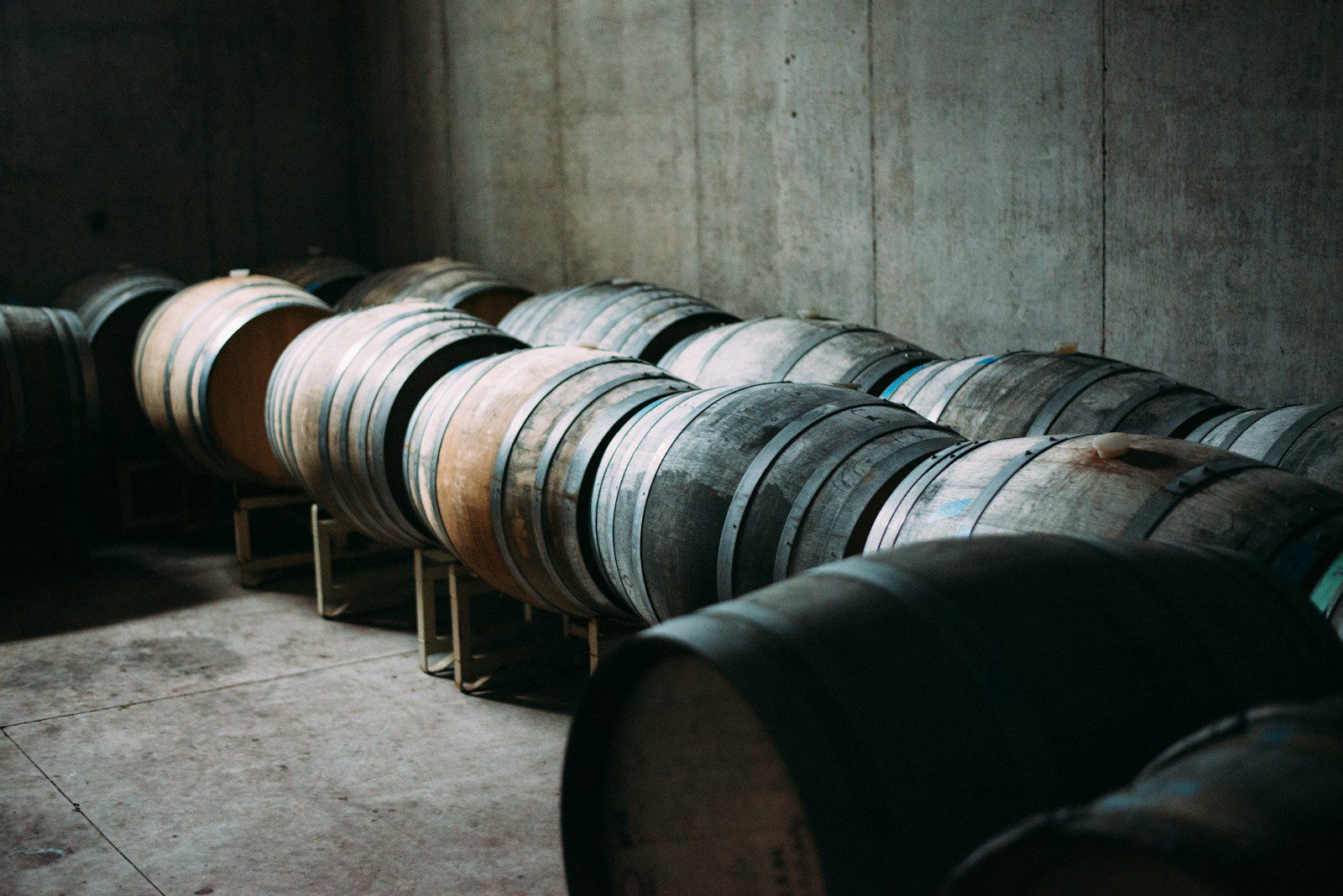
For centuries, whisky production was a dirty business. It requires massive amounts of water, energy to boil the stills, and shipping heavy glass bottles around the world.
But in 2026, the industry is undergoing a “Green Revolution.”
The most exciting brands are no longer just bragging about the age of their spirit; they are bragging about their carbon footprint.
Sustainable whisky distilleries are using biomass boilers, recycling 100% of their waste water, and even growing organic barley to protect the soil. This isn’t just marketing; it is survival.
In this guide, we are going to profile the leaders of this movement. These are the brands that prove you can make world-class whisky without destroying the planet.
Table of Contents
Click below to jump to a distillery:
1. The Problem: Why Whisky Needs to Change
To understand why sustainable whisky distilleries are important, you have to look at the traditional process.
- Energy: Boiling thousands of liters of liquid requires immense heat. Traditionally, this was done by burning oil or coal.
- Waste: For every liter of whisky produced, there are about 10 liters of acidic waste (Pot Ale) and wet grain (Draff).
- Peat: Peat is a fossil fuel. It takes thousands of years to regenerate. Digging it up releases carbon into the atmosphere.
The new wave of distillers is solving these problems using technology like Anaerobic Digestion (turning waste into gas) and Biomass (burning wood chips).
How is whisky made?
Read our step-by-step production guide to see where the energy goes.
2. Nc’nean (Scotland): The Organic Pioneer
If there is one brand that defines the modern sustainable movement, it is Nc’nean (pronounced Nook-knee-ann).
Located on the remote Morvern peninsula, it was founded by Annabel Thomas with a mission to create the first 100% organic, net-zero distillery.
The Innovation:
They use a biomass boiler powered by local timber chips. They recycle 99.97% of their waste. They use 100% recycled glass for their bottles (which is why the glass looks slightly blue-green).
The Liquid:
Because they use organic barley and a long fermentation, the spirit is incredibly fruity and clean. It proves that you don’t need shortcuts to make great whisky.
3. Bruichladdich (Islay): The B-Corp Giant
Bruichladdich is the rebel of Islay. They were the first Scotch distillery to achieve B-Corp Certification, a rigorous standard for social and environmental performance.
They focus on “Terroir.” They believe that where the barley grows matters.
The Innovation:
They have installed a proprietary system called “The Hyos” which will eventually allow them to run on green hydrogen. They also bottle everything on the island (unlike other Islay distilleries who ship liquid to the mainland), providing jobs for the local community.
The Bottle:
Their “Classic Laddie” bottle is iconic aqua blue, but they recently stripped the outer tin packaging to reduce weight and carbon footprint during shipping.
Love Islay?
Read our guide on the history of Islay Peat here.
4. Ardnamurchan (Highlands): Power from the Forest
Ardnamurchan is one of the most remote distilleries in Scotland. Because of its location, it had to be self-sufficient.
It is powered entirely by a hydroelectric generator in the river and a large biomass boiler that burns wood chips from the local forest.
Blockchain Technology:
They were the first to put a QR code on every bottle. You can scan it to see exactly where the barley came from, who distilled it, and even the energy usage for that specific batch. It is total transparency.
Their whisky is waxy, honeyed, and has a gentle coastal peat smoke that connoisseurs adore.
5. Westland (USA): Saving the Peat Bogs
In the United States, Westland Distillery (Seattle) is leading the charge for American Single Malt.
Their focus is on protecting the peat bogs.
Instead of importing Scottish peat (which has a high carbon cost), they researched local Washington peat. However, they realized that harvesting it was unsustainable.
The Solution: “Garryana” Oak.
They shifted their focus to using local, fallen Garryana Oak trees. This wood provides a unique spicy, molasses flavor that replaces the need for heavy smoke. They are proving that American Single Malt can have its own identity without copying Scotland.
American Single Malt vs Bourbon?
See how American Malt is growing in our Colorado Guide.
6. Summary: Drink Responsibly (Eco-Friendly)
Choosing sustainable whisky distilleries is about voting with your wallet.
By buying from brands like Nc’nean, Bruichladdich, or Ardnamurchan, you are supporting a future where whisky production gives back to the land rather than just taking from it.
The best part? These whiskies taste incredible. The care they put into the environment is the same care they put into the liquid.
Become a Certified Expert
Take your knowledge from “hobbyist” to “connoisseur.” Join our Virtual Whiskey Tasting VIP program and get guided lessons, rare bottle alerts, and tasting notes sent straight to your inbox.