

The History of Maker’s Mark: How the Samuels Family Changed Bourbon (2026)
Sip & Learn: Volume 67
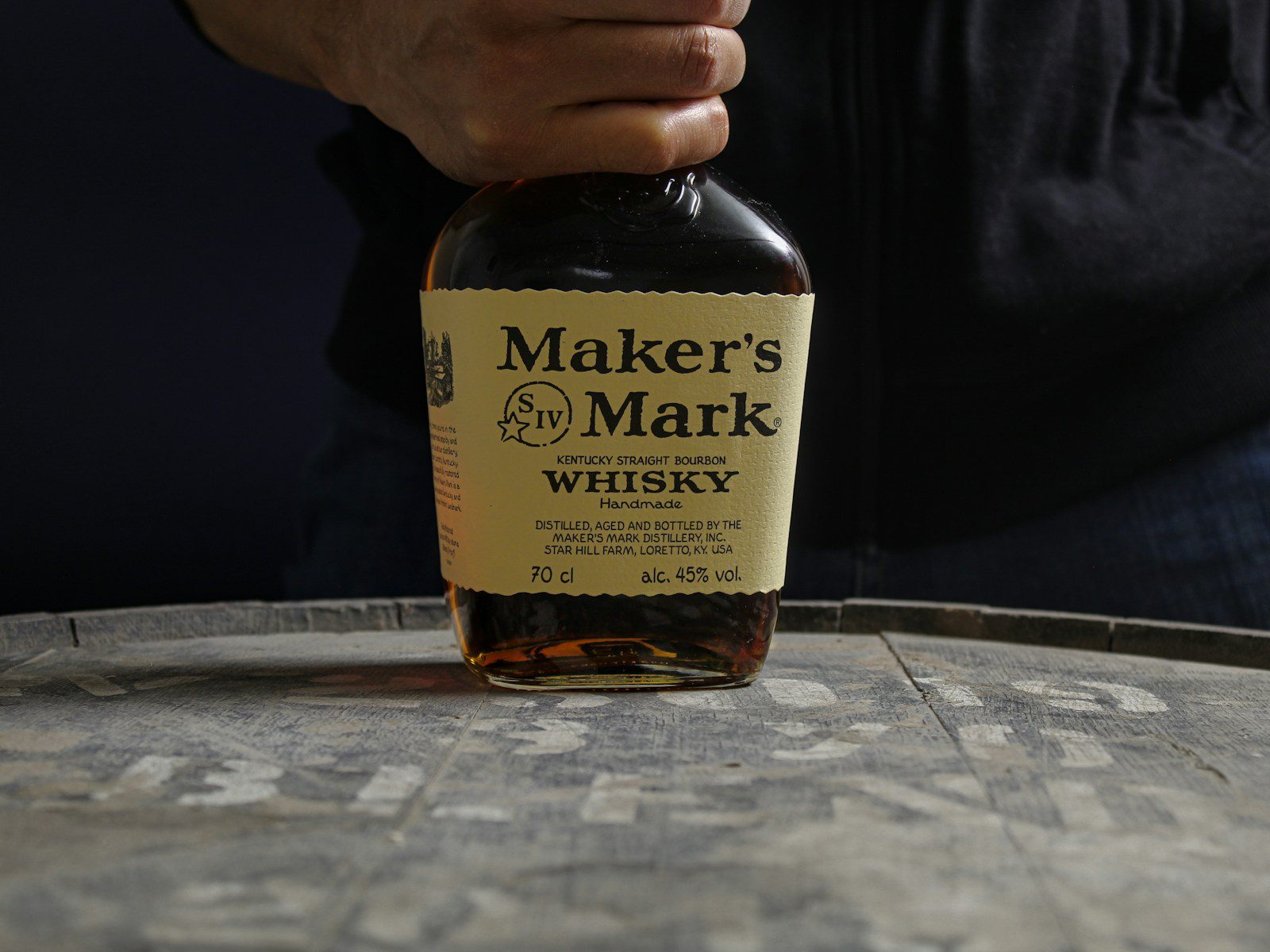
In the world of American Whiskey, there is no bottle more recognizable than the one dripping with red wax.
But the Makers Mark History is not just a story about good marketing. It is a story of rebellion.
In 1953, Bill Samuels Sr. did something unthinkable. He took his family’s 170-year-old bourbon recipe—a recipe that had been passed down through six generations of distillers—and he set it on fire.
Literally. He burned the paper in a bucket.
He wanted to create a whisky that didn’t “blow your ears off.” He wanted something soft, sweet, and approachable.
However, while Bill made the whisky, it was his wife, Margie Samuels, who made the brand. Without her, there would be no red wax, no unique bottle shape, and no “Maker’s Mark.”
In this guide, we are going to explore the fascinating Makers Mark history and how one family changed the trajectory of Bourbon forever.
Table of Contents
Click below to jump to a section:
1. The Bonfire: Burning the Family Legacy
The Samuels family had been distilling in Kentucky since 1783. They produced a brand called “T.W. Samuels.”
It was a traditional bourbon. It was spicy, harsh, and rugged. It was designed to be shot, not sipped.
When Bill Samuels Sr. inherited the business, he hated the liquid. He wanted to create a premium bourbon—a “gentleman’s drink” that was smooth enough to enjoy without wincing.
So, in a dramatic ceremony at the family home, he burned the original recipe. He committed himself to starting from scratch, abandoning 170 years of tradition to pursue flavor.
2. The Science: The Bread Experiment
Bill needed a new “Mash Bill” (recipe). However, distilling takes years. He couldn’t afford to distill 10 different recipes, wait 4 years for them to age, and then decide which one was best.
He needed a shortcut.
The Solution: Baking Bread.
He figured that the flavor of the grain in bread would translate to the flavor of the grain in whisky. He baked several loaves of bread using different grain mixtures.
- Rye Bread: Tasted spicy, bitter, and harsh (the old style).
- Wheat Bread: Tasted soft, sweet, and nutty.
He realized that Red Winter Wheat was the secret ingredient. By replacing the sharp Rye grain with soft Wheat, he created the recipe for Maker’s Mark.
What does Wheated Bourbon taste like?
Check out our tasting notes in the Best Bourbon for Beginners guide.
3. Margie Samuels: The Real Genius
While Bill created the liquid, the Makers Mark History would have ended there if not for his wife, Margie Samuels.
Margie was a collector of fine English pewter. In the world of pewter, craftsmen would stamp their best work with a “Mark” to prove they made it.
She suggested the name “Maker’s Mark”—implying that this whisky was the work of a craftsman, not a factory.
The Bottle Shape:
In the 1950s, most bourbon bottles were tall and skinny. Margie wanted something that looked like it belonged on a high-end dining table. She designed the squarish, stout bottle shape based on a collection of 19th-century French Cognac bottles she admired.
4. The Red Wax: A Marketing Masterstroke
This is the most iconic packaging element in the spirits world. And it was made in a kitchen fryer.
Margie wanted the bottle to stand out. She decided to seal every bottle in wax, a technique used on old Cognac bottles.
She melted red sealing wax in her deep fryer. She took the first bottle, dipped the neck, and gave it a twist. The red tendrils ran down the neck. It looked messy, handmade, and striking.
Hand Dipped:
To this day, every single bottle of Maker’s Mark is hand-dipped by a worker at the distillery in Loretto, Kentucky. No two bottles have the exact same drip pattern.
This wax seal is so iconic that the company actually holds a Trademark on the dripping wax shape. You cannot sell a tequila or vodka bottle with dripping red wax, or Maker’s Mark will sue you (and win).
5. What does the “S IV” Symbol Mean?
If you look at the glass stamp on the bottle, you will see a circle with a Star, an “S”, and the Roman numeral “IV” (4).
This tells the family Makers Mark history:
- S: Stands for Samuels.
- Star: Represents “Star Hill Farm,” the name of the family farm where the distillery sits.
- IV: Represents “4th Generation.” Bill Samuels Sr. considered himself the 4th generation distiller.
The Error:
Bill Samuels was actually a 6th generation distiller. He miscounted. When his son (Bill Samuels Jr.) took over, he realized the mistake. However, they decided to keep the “IV” logo as a tribute to the original mistake, rather than changing it to “VI.”
Want to taste the legacy?
Check out Maker’s Mark vs other Bottled-in-Bond whiskies.
6. Summary: The Legacy Continues
Maker’s Mark proved that Bourbon didn’t have to be harsh “Rotgut.” It proved that American Whiskey could be premium, thoughtful, and beautiful.
The brand continues to innovate today with the “Wood Finishing Series” (Maker’s 46), where they insert French Oak staves into the barrel to create new flavor profiles.
But the core DNA remains the same: Soft wheat, Margie’s bottle, and that famous red wax.
Curious about finishing?
Read our guide on Cask Finishes to understand how Maker’s 46 is made.
Become a Certified Expert
Take your knowledge from “hobbyist” to “connoisseur.” Join our Virtual Whiskey Tasting VIP program and get guided lessons, rare bottle alerts, and tasting notes sent straight to your inbox.