
The Lowlands: Why Triple Distillation Matters (2026 Guide)
Sip & Learn: Volume 56
When people think of Scotch, they usually think of two extremes: the heavy smoke of Islay or the rich fruit of Speyside.
They often overlook the gentle giant of the south: Lowland Scotch Whisky.
This region, which covers the area south of the “Highland Line” (including Glasgow and Edinburgh), was once the industrial heart of Scottish distilling.
Today, it is famous for one specific technical detail: Triple Distillation.
While most of Scotland distills their spirit twice, the Lowlands traditionally distill three times. This creates a spirit that is incredibly light, floral, and grassy. It is the perfect entry point for beginners who find other whiskies too “harsh” or “oily.”
In this guide, we are going to explore the science of the third still and the revival of Lowland Scotch Whisky in 2026.
Table of Contents
Click below to jump to a section:
1. Geography: Where are the Lowlands?
The line between the Highlands and Lowlands is not just a metaphor; it is a geological fault line.
The “Highland Boundary Fault” runs diagonally across Scotland from Helensburgh in the west to Stonehaven in the east. Anything south of this line is legally the Lowlands.
The Landscape:
Unlike the rugged, granite mountains of the Highlands, the Lowlands are defined by rolling green fields and soft agricultural land.
This geography dictates the flavor. There is very little peat here. Instead, there is an abundance of soft water and golden barley fields. The environment is gentle, and so is the Lowland Scotch Whisky it produces.
Want to see the map?
Check out our Guide to the 5 Regions of Scotland.
2. The Science: Double vs. Triple Distillation
This is the defining characteristic of the region.
Most Single Malt Scotch is distilled twice.
- Wash Still (1st): Raises alcohol to ~25%.
- Spirit Still (2nd): Raises alcohol to ~70%.
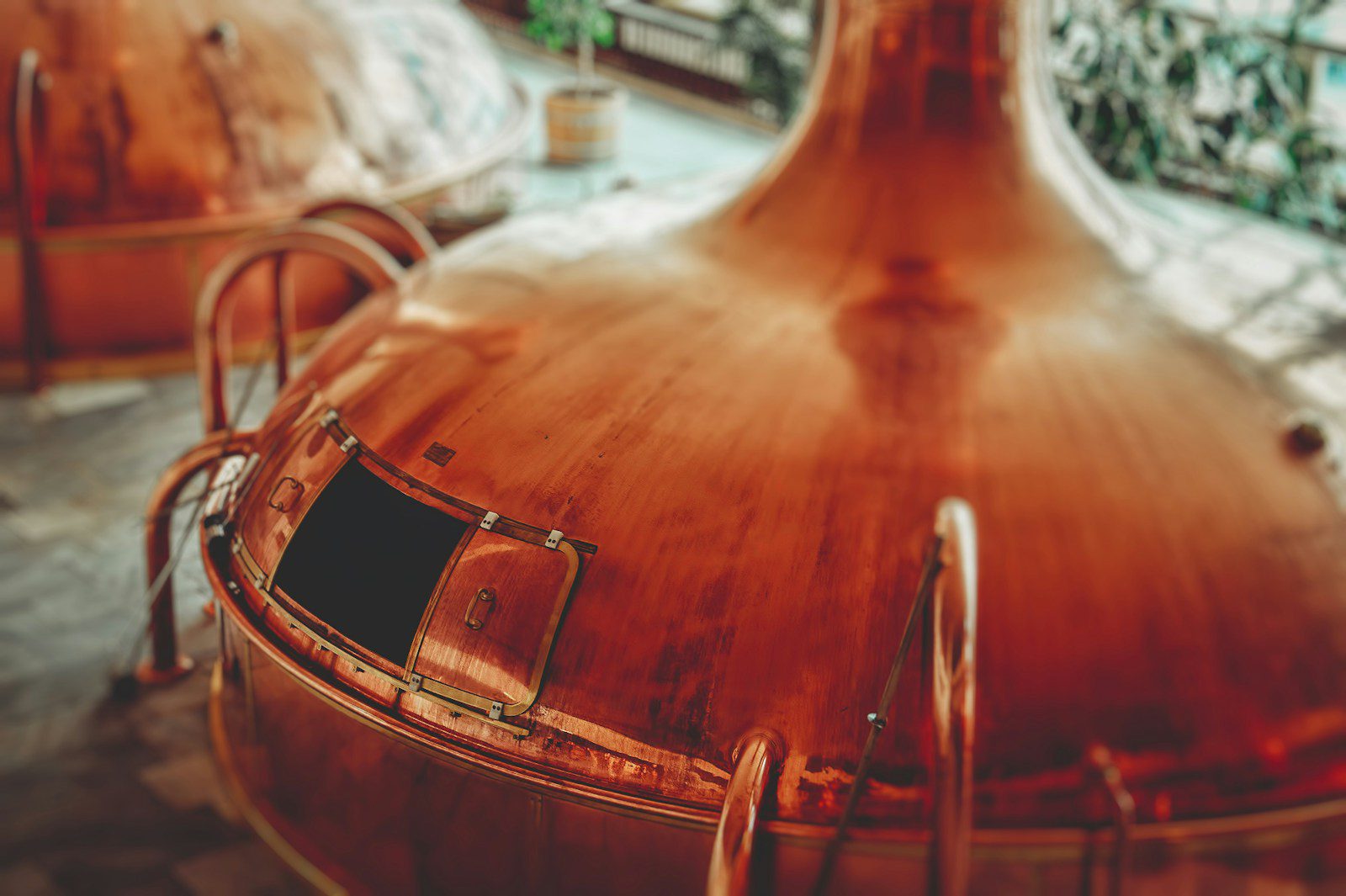
Lowland distilleries (most notably Auchentoshan) add a third step. They use an Intermediate Still.
Why does this matter?
Every time you distill a liquid, you strip out heavy compounds.
The heavy compounds (fusel oils) are responsible for the oily, meaty, and funky textures found in Highland or Islay whiskies.
By distilling a third time, the alcohol strength rises to over 80% ABV. This creates a spirit that is incredibly pure, light, and volatile. It removes almost all the “weight” from the liquid.
Curious about the stills?
Read our guide on Pot Still physics here.
3. Flavor Profile: The “Breakfast Whisky”
Because the spirit is so clean, Lowland Scotch Whisky is often described as “The Breakfast Whisky” or “The Aperitif.”
It is not meant to be a heavy, brooding nightcap. It is meant to be refreshing.
Common Tasting Notes:
- Grassy: Fresh cut hay, lawn clippings, honeysuckle.
- Citrus: Lemon zest, lime juice, lemongrass.
- Creamy: Vanilla, toasted almonds, ginger biscuits.
This lightness makes it the perfect “Summer Whisky.” It is also an excellent base for cocktails because it doesn’t overpower the other ingredients.
4. The Irish Connection
If you are an Irish Whiskey fan, the Lowlands will feel very familiar.
Historically, the Lowlands of Scotland and Ireland traded constantly across the Irish Sea. They shared technology and techniques.
Ireland also famously uses Triple Distillation (like Jameson or Redbreast).
The key difference is the grain. Irish whiskey often uses unmalted barley (creating a spicy pot still character), while Lowland Scotch uses 100% malted barley (creating a biscuity character).
However, both share that signature “smoothness” that comes from the third distillation run.
Scotland vs Ireland?
See our full comparison of the two styles here.
5. Top Distilleries to Try
For a long time, there were only three active distilleries in the Lowlands (Auchentoshan, Glenkinchie, Bladnoch).
However, in the 2020s, the region has exploded with new craft distilleries like Glasgow Distillery, Daftmill, and Kingsbarns.
1. Auchentoshan (The Triple Distilled Icon)
Located just outside Glasgow, this is the only Scottish distillery that triple distills 100% of its production. Their 12 Year Old is the benchmark for the region: nutty, citrusy, and smooth.
2. Glenkinchie (The Edinburgh Malt)
Located near Edinburgh, this is one of Diageo’s “Classic Malts.” It uses huge fat pot stills to create a sulphury, meaty character that is then cleaned up into a floral, grassy spirit. The 12 Year Old tastes like a flower garden.
3. Bladnoch (The Queen of the Lowlands)
The southernmost distillery in Scotland. It was closed for years but has been revived. Their whisky is slightly heavier and richer, often with a lemon-cake note.
6. Summary: The Gentle Spirit
Lowland Scotch Whisky suffers from an unfair reputation of being “boring.”
It is not boring; it is subtle.
It requires a clean palate to appreciate. If you have just smoked a cigar or eaten a steak, you might miss the delicate notes of honeysuckle and lemon zest.
But if you sit down with a glass of Auchentoshan on a warm afternoon, you will realize that power isn’t everything. Sometimes, elegance wins.
Become a Certified Expert
Take your knowledge from “hobbyist” to “connoisseur.” Join our Virtual Whiskey Tasting VIP program and get guided lessons, rare bottle alerts, and tasting notes sent straight to your inbox.