

How to Store Whisky: Does It Go Bad? (2026 Guide)
Sip & Learn: Volume 30
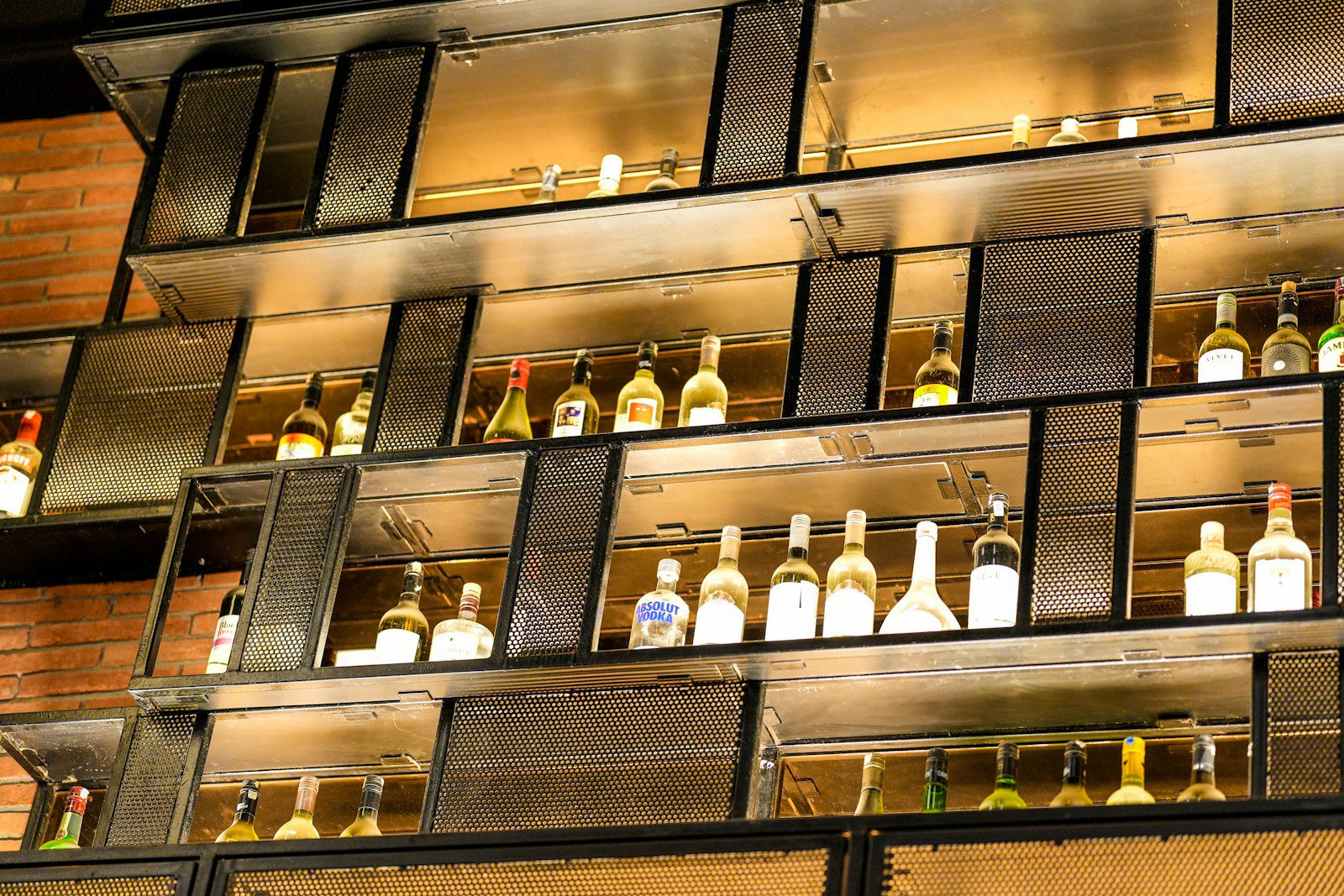
Learning how to store whisky is the most important skill for any collector.
You spend hundreds of dollars on a rare Single Malt. You bring it home. You want to save it for a special occasion.
But if you store it incorrectly, that liquid gold can turn into cloudy, flat, unpalatable water.
Unlike wine, whisky does not mature in the bottle. It does not get better with age; it can only get worse if treated poorly.
The enemies of whisky are light, temperature, and air.
In this guide, we are going to break down the physics of preservation and teach you exactly how to store whisky to keep it pristine for decades.
Table of Contents
Click below to jump to a section:
1. The Golden Rule: Stand It Up!
If you take nothing else away from this article on how to store whisky, remember this:
Whisky must be stored upright.
This is the opposite of wine. Wine is stored on its side to keep the cork wet. Wine has a relatively low alcohol content (12-14%).
Whisky has a high alcohol content (40-60%). If you lay a whisky bottle on its side, the high-proof alcohol will eat away at the cork.
Over time, the cork will degrade, turning into mush. This imparts a nasty woody taste to the spirit and breaks the seal, causing the whisky to leak or evaporate.
The Verdict:
Always keep your bottles vertical. Never put them in a wine rack.
2. The Enemies: Light and Heat
Whisky is a chemical solution. Like all chemical solutions, it reacts to energy.
Direct Sunlight (Photodegradation)
Sunlight is the fastest way to kill a bottle. UV rays attack the organic compounds in the spirit.
Over time, sunlight will bleach the color of the whisky (turning a rich amber into a pale yellow). Worse, it breaks down flavor molecules, making the whisky taste flat or sour.
Tip: Keep your bottles in a cabinet or inside the cardboard tube/box they came in.
Temperature Fluctuation
You do not need a climate-controlled cellar, but you do need consistency.
If a bottle gets hot, the liquid expands. This pushes air out through the cork. When it cools down, it sucks fresh air (oxygen) back in.
This “breathing” speeds up oxidation. Keep your collection away from radiators, ovens, or windows. Room temperature (60-70°F) is perfect.
3. Unopened Bottles: How Long Do They Last?
Here is the good news: An unopened bottle of whisky, stored correctly, will last indefinitely.
Unlike wine, which continues to ferment and change in the bottle, whisky is a distilled spirit. It is chemically stable.
If you find a bottle of Scotch from 1950 that has been sealed and stored in a dark cupboard, it will taste almost exactly the same today as it did the day it was bottled.
This makes whisky one of the best collectible assets in the world.
Building a collection? Start with the basics.
Check out our list of the 5 Best Single Malts to start your collection.
4. Open Bottles: The Science of Oxidation
Once you pop the cork, the clock starts ticking.
When you open a bottle, fresh air rushes in. The oxygen reacts with the flavor compounds (oxidation).
At first, this is good. A little air can “open up” a tight whisky. But over months and years, oxidation will make the whisky taste flat, watery, and metallic.
The “Headspace” Rule
The speed of oxidation depends on how much air is in the bottle (headspace).
- Full Bottle (Neck High): Will last for years open with minimal change.
- Half Full: Will stay good for 1-2 years.
- Quarter Full (The Danger Zone): Once the liquid level drops below 1/4, the ratio of air to spirit is too high. Oxidation accelerates rapidly.
The 6-Month Rule:
If you have less than a quarter of a bottle left, you should finish it within 6 months. Or, decant it into a smaller sample bottle to reduce the air contact.
Dealing with high proof? High ABV bottles react differently.
Read our guide on Cask Strength Whisky here.
5. Cork Care: The “Turn” Technique
While you shouldn’t store whisky on its side, the cork still needs a tiny bit of moisture to stay expanded and keep a tight seal.
If a cork dries out completely, it shrinks. Air gets in, and whisky evaporates out. Worse, when you try to open it, the dry cork might snap and crumble into your drink.
The Solution: The Semi-Annual Turn.
Once or twice a year, take your unopened bottles and turn them upside down for 3 seconds, then flip them back up.
This wets the cork just enough to keep it swollen and sealed, without exposing it to long-term erosion.
6. Summary: Preservation Checklist
Knowing how to store whisky isn’t difficult, but it requires discipline. Follow this simple checklist to keep your collection safe:
- Position: Always upright. Never on the side.
- Light: Keep out of direct sunlight (use a cabinet or box).
- Temperature: Stable, cool room temperature.
- Maintenance: Flip bottles once a year to wet the cork.
- Drinking: If a bottle is low, finish it or decant it.
Treat your bottles with respect, and they will taste as good in 20 years as they do today.
Become a Certified Expert
Take your knowledge from “hobbyist” to “connoisseur.” Join our Virtual Whiskey Tasting VIP program and get guided lessons, rare bottle alerts, and tasting notes sent straight to your inbox.