

Floor Malting: Why Traditional Methods Cost More (2026 Guide)
Sip & Learn: Volume 62
In the modern world of industrial automation, Floor Malting Whisky is an anachronism.
It is slow. It is back-breakingly hard work. It is inefficient. It is expensive.
Yet, a handful of the world’s most respected distilleries refuse to stop doing it.
If you visit Springbank, Laphroaig, or Bowmore, you will still see men holding wooden shovels, turning tons of wet grain by hand, 24 hours a day, 7 days a week.
Why do they do it? Is it just for the tourists? Or does it actually change the flavor of the spirit?
In this guide, we are going to explore the ancient craft of Floor Malting Whisky, the history of the “Monkey Shoulder” injury, and why you should pay extra for bottles made this way.
Table of Contents
Click below to jump to a section:
1. What is Floor Malting?
To make alcohol, you need sugar. Barley seeds contain starch, not sugar.
To trick the barley into converting that starch into sugar, the distiller soaks it in water and lets it sprout (germinate).
The Problem: Germination generates heat. If the wet barley gets too hot, the roots will tangle together into a solid mat (called “felting”), and the grain will die or rot.
The Solution: The barley must be turned constantly to keep it cool and aerated.
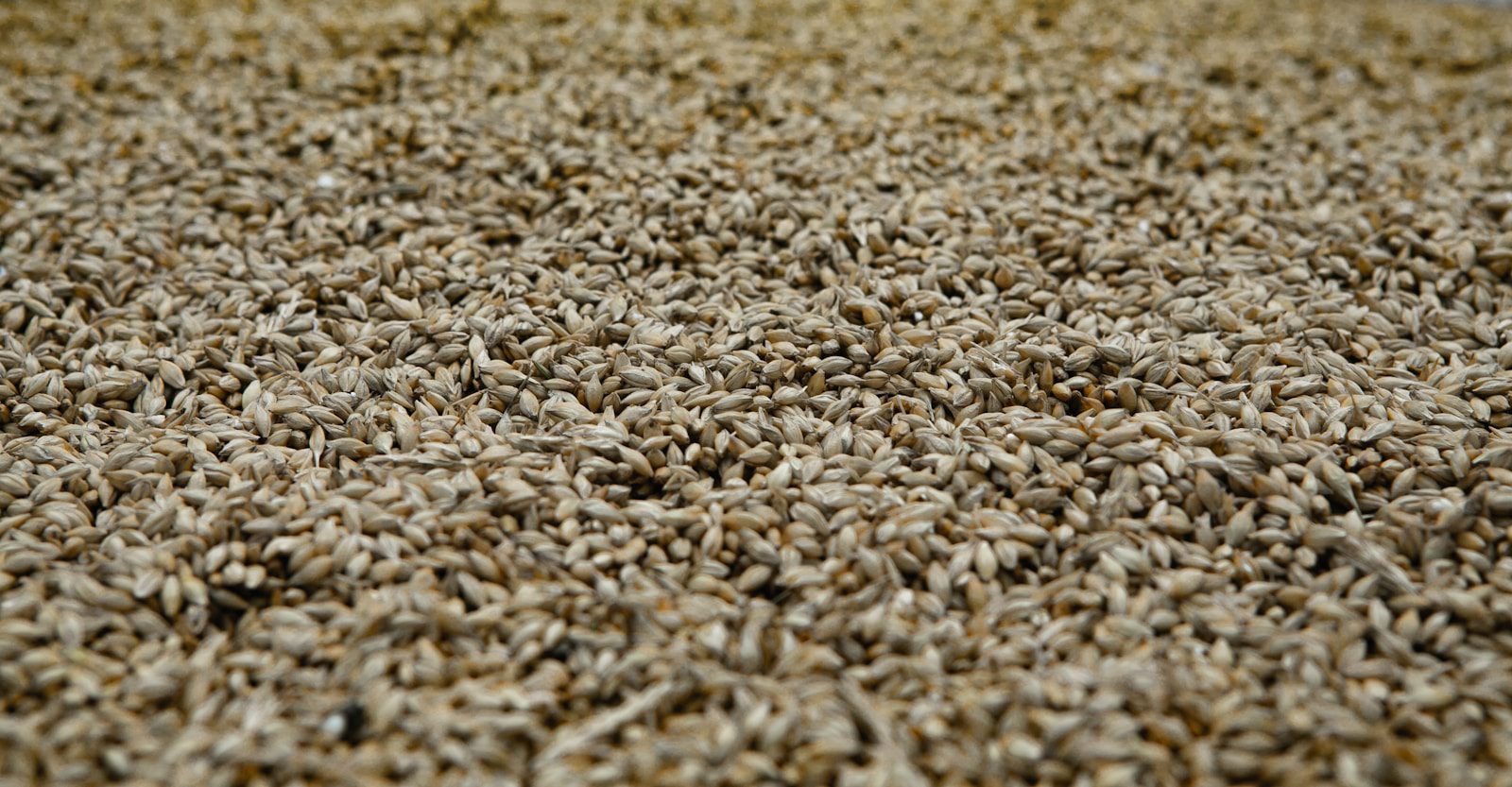
In Floor Malting Whisky production, the wet grain is spread out in a layer about 12 inches deep across a massive stone floor.
A team of “Maltmen” must walk through the grain every 4 hours, day and night, using heavy wooden shovels (shiels) to toss the grain into the air. This cools it down and prevents the roots from knitting together.
It is exhausting work. It takes about 5 to 7 days for the barley to fully modify before it is sent to the kiln to be dried (often with peat).
What happens after malting?
Read our full guide on the 5 Steps of Whisky Making here.
2. The Industrial Alternative (Saladin Boxes)
In the 1960s, the industry industrialized.
Most distilleries stopped doing their own malting. They outsourced it to massive factories called “Industrial Maltings.”
These factories use Saladin Boxes or Drum Maltings.
- How it works: The barley is put into a giant metal box or drum. Huge mechanical screws turn the grain automatically. Air conditioning is pumped through the floor to control the temperature perfectly.
- The Result: It is cheaper, faster, and perfectly consistent.
Today, over 90% of Scotch whisky is made using industrial malt. But some argue it lacks the “soul” of Floor Malting Whisky.
3. The Human Cost: What is “Monkey Shoulder”?
You may have seen the bottle called Monkey Shoulder on the shelf. The name is a tribute to the Maltmen of the past.
Turning tons of wet, heavy barley by hand for 20 years takes a toll on the body.
Maltmen would develop a repetitive strain injury where one shoulder would droop lower than the other, and their arm would hang down a bit like a primate.
They called this condition “Monkey Shoulder.”
Today, working conditions are better (and machinery helps with the heavy lifting), but the name remains as a badge of honor for those who worked the floors.
Looking for that bottle?
We reviewed the Monkey Shoulder whisky in our Best Blended Scotch guide.
4. Does it Taste Different?
This is the million-dollar question. Does Floor Malting Whisky actually taste better than industrial malt?
The Argument for Floor Malting:
Because the turning is done by hand, it is imperfect. Some grains germinate faster than others. The airflow is natural, not air-conditioned.
Experts argue that this “Inconsistency” adds character. It creates a barley profile that is richer, oilier, and more robust.
The Peat Factor:
Floor malting is particularly important for peated whiskies. When the malt is spread thin on the floor, it can absorb the peat smoke in the kiln more unevenly and naturally than in a massive industrial drum. This is why Laphroaig and Springbank have such distinct smoke profiles.
Love smoky flavor?
Check out our guide to Peated Whisky here.
5. The Last Survivors (Who Still Does It?)
Very few distilleries in Scotland still use floor maltings. Most of them only malt a small percentage (10-20%) of their barley in-house and buy the rest from factories.
Here are the legends keeping the tradition alive:
1. Springbank (Campbeltown)
The only distillery in Scotland that malts 100% of its own barley. If you want the true floor malting experience, buy Springbank.
2. Laphroaig (Islay)
They malt about 15-20% of their barley on their own floors. This “house malt” is peated to a higher level and mixed with industrial malt to create their signature medicinal flavor.
Other Notable Examples:
Bowmore, Highland Park, Kilchoman, and Benriach all maintain active floor maltings for a portion of their production.
Want to learn about Springbank’s region?
Read our guide to the Campbeltown region here.
6. Summary: The Price of Craft
Floor Malting Whisky is inefficient. It requires a large team of skilled workers. It takes up a huge amount of space.
This is why bottles from Springbank or Kilchoman often cost more than bottles from giant factories.
But when you buy a floor-malted whisky, you are paying for heritage. You are tasting whisky made the way it was made 200 years ago, untouched by industrial shortcuts.
Become a Certified Expert
Take your knowledge from “hobbyist” to “connoisseur.” Join our Virtual Whiskey Tasting VIP program and get guided lessons, rare bottle alerts, and tasting notes sent straight to your inbox.