

Cognac vs Whisky: A Guide for Brandy Lovers (2026)
Sip & Learn: Volume 63
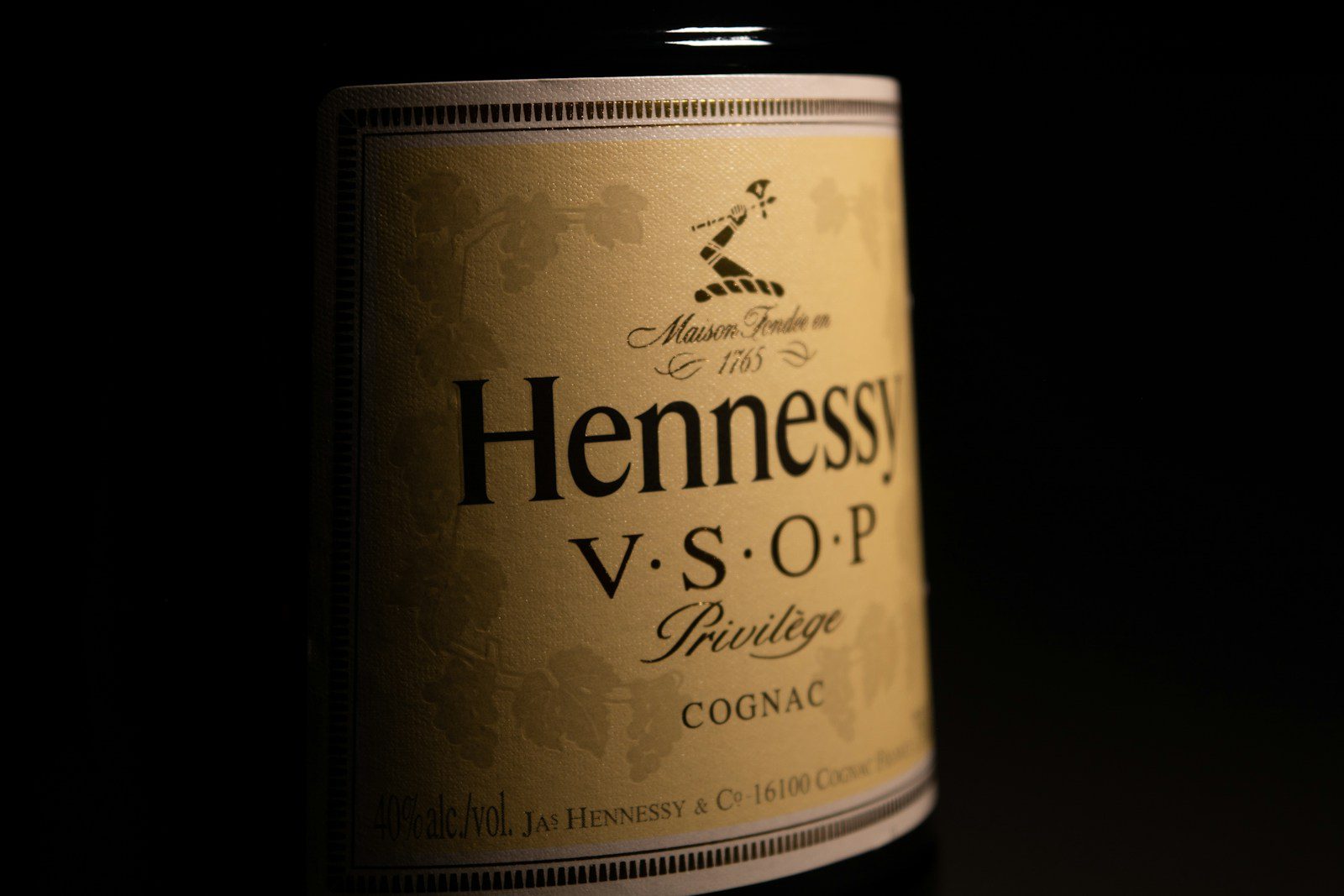
The debate of Cognac vs Whisky is the battle of the titans of the after-dinner drink world.
They are both dark, aged spirits. They are both blended by masters. They are both symbols of luxury.
However, they come from two completely different worlds. One is the product of the vineyard (Grape), and the other is the product of the field (Grain).
For a beginner, the choice can be confusing. If you like the sweetness of Bourbon, will you like Cognac? If you like the smoke of Scotch, is there a Brandy equivalent?
In this guide, we are going to break down the chemistry, the geography, and the flavor profiles of Cognac vs Whisky so you can decide which glass belongs in your hand.
Table of Contents
Click below to jump to a section:
1. The Raw Ingredient: Grape vs. Grain
The most fundamental difference in Cognac vs Whisky is biology.
Cognac (The Grape)
Cognac is a type of Brandy. Brandy is distilled wine.
To make Cognac, you must use specific white grapes (primarily Ugni Blanc). These grapes are highly acidic and low in sugar.
Because it comes from fruit, the base spirit contains “Fruit Esters” naturally. It does not need to be mashed or malted to create sugar; the sugar is already there in the juice.
Whisky (The Grain)
Whisky is distilled beer.
It is made from Barley, Corn, Rye, or Wheat. These grains are starches. They must be processed (malted and mashed) to turn that starch into sugar before fermentation can happen.
The Flavor Impact:
Cognac tends to be floral, fruity, and acidic. Whisky tends to be nutty, malty, and cereal-forward.
How is whisky made?
Read our step-by-step guide to the grain process here.
2. Geography: A Region vs. A Category
Whisky is a global category. You can make it in Scotland, America, Japan, India, or Australia.
Cognac is a protected Appellation (AOC).
To be called Cognac, the spirit MUST be produced in the Cognac region of France (just north of Bordeaux). If you make the exact same spirit using the exact same grapes in California, you cannot call it Cognac; you must call it Brandy.
This exclusivity drives the price up. Land in Cognac is expensive. The regulations are strict. This is why a standard bottle of Hennessy VS costs more than a standard bottle of Jim Beam.
3. Distillation: The Charentais Method
In the world of Cognac vs Whisky, the equipment looks familiar but operates differently.
Cognac must be Double Distilled in copper pot stills. This is very similar to Single Malt Scotch.
However, the French use a specific shape called the Alambic Charentais. It is small, onion-shaped, and usually heated by direct fire.
The Restriction:
Cognac distillation must be completed by March 31st following the harvest. They only distill in the winter months to prevent the wine from spoiling (since they cannot add sulfites).
Whisky distilleries can operate 24/7, 365 days a year. This makes whisky production much more scalable and industrial compared to the seasonal rhythm of Cognac.
Curious about stills?
See how Pot Stills compare to Column Stills here.
4. The Wood: French Oak vs. American Oak
This is the biggest flavor differentiator in the Cognac vs Whisky debate.
Whisky (American Oak)
90% of the world’s whisky is aged in Ex-Bourbon Barrels made of American White Oak.
These barrels are rich in Vanillin and Lactones. They give whisky flavors of vanilla, coconut, caramel, and toffee.
Cognac (French Oak)
Cognac is aged in French Oak (Limousin or Tronçais forests).
French oak is much tighter grained and richer in Tannins. It gives the spirit a spicy, dry structure. It imparts flavors of clove, cinnamon, and orange peel. It is less sweet than American oak.
The Texture:
Because of the tannins, Cognac often has a “drier” finish than Bourbon, which can feel oily and sweet. This makes Cognac an excellent digestif after a heavy meal.
Learn more about oak types.
Read our deep dive on Sherry vs Bourbon Casks.
5. Decoding the Labels: VSOP vs. 12 Year Old
Whisky uses Age Statements (12, 18, 21 Years). Cognac uses letters. This can be confusing for beginners.
- VS (Very Special): Minimum 2 years old. (Compare to a standard non-age statement Scotch). Good for mixing.
- VSOP (Very Superior Old Pale): Minimum 4 years old. (Compare to a 6-8 year old Bourbon). Good for sipping.
- XO (Extra Old): Minimum 10 years old. (Compare to an 18 year old Scotch). Luxury sipping.
- XXO (Extra Extra Old): Minimum 14 years old. The highest tier.
Note: Cognac matures faster than Scotch because the French cellars are often warmer than Scottish warehouses. An XO Cognac (10 years) often has the complexity of a much older whisky.
6. Summary: Which Should You Buy?
So, who wins the Cognac vs Whisky showdown?
Buy Whisky If:
– You like variety. From smoky Islay to sweet Bourbon, whisky offers a broader range of flavors.
– You like vanilla and caramel sweetness.
Buy Cognac If:
– You like fruit and spice.
– You prefer a “dry” finish rather than an oily one.
– You want a drink that feels luxurious and silky on the tongue.
The best approach? If you love Sherry Cask Scotch (like Macallan), you will almost certainly love an XO Cognac. They share that same DNA of dark fruit and rich spice.
Become a Certified Expert
Take your knowledge from “hobbyist” to “connoisseur.” Join our Virtual Whiskey Tasting VIP program and get guided lessons, rare bottle alerts, and tasting notes sent straight to your inbox.