

The Science of Glassware: Glencairn vs Tumbler vs Copita (2026)
Sip & Learn: Volume 33
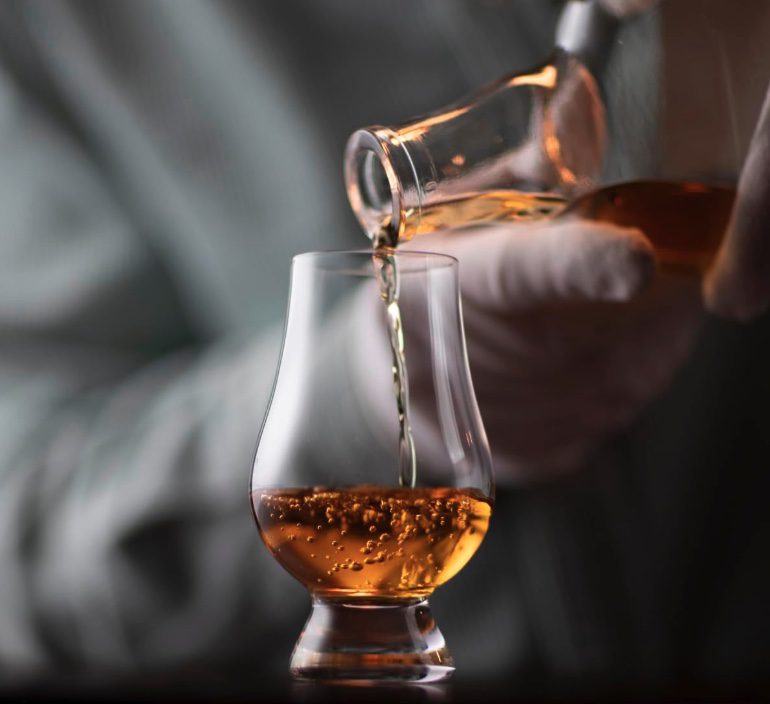
There is a saying in the spirits industry: “The glass is the tool.”
If you pour a $200 Single Malt into a plastic cup or a pint glass, you are wasting your money. You are physically preventing the flavor from reaching your brain.
Choosing the best whisky glasses is not about snobbery; it is about physics.
The shape of the glass dictates how the alcohol evaporates. It controls how the aromas concentrate. It directs the liquid to specific parts of your tongue.
But with so many options—Glencairn, Tumbler, Copita, Norlan—which one should you actually buy?
In this guide, we are breaking down the science of glassware so you can choose the perfect vessel for your dram.
Table of Contents
Click below to jump to a section:
1. The Physics of Smell (Why Shape Matters)
To find the best whisky glasses, you first have to understand how we taste.
Scientists estimate that 80% to 90% of what we perceive as “flavor” is actually smell (olfaction). Your tongue can only taste five things: Sweet, Sour, Salty, Bitter, and Umami.
Complex notes like “vanilla,” “smoke,” “leather,” and “dried fruit” are all detected by your nose, not your mouth.
The Role of Ethanol
Whisky is 40% alcohol (ethanol). Ethanol is volatile, meaning it evaporates quickly.
If you use a wide, open glass (like a Tumbler), the alcohol vapors evaporate straight up and dissipate into the room. They take the delicate aromas with them.
If you use a tapered glass (like a Glencairn), the shape traps the vapors.
The Chimney Effect: The wide bowl allows the spirit to breathe. The narrow neck forces the vapors to squeeze together as they rise. This concentrates the aroma, delivering a punch of flavor directly to your olfactory bulb.
2. The Glencairn: The Industry Standard
If you walk into any distillery in Scotland, you will see one glass: The Glencairn.
Designed in 2001, it was the first glass specifically engineered for whisky drinkers. It combines the nosing ability of a professional lab glass with the durability of a bar glass.
Why it works:
- Tulip Shape: Concentrates aroma for better nosing.
- Solid Base: Heavy crystal bottom prevents it from knocking over easily.
- No Stem: You hold the bowl, allowing your hand to gently warm the spirit, releasing more oils.
For 99% of people, the Glencairn is the best whisky glass for sipping neat. It balances analysis with enjoyment.
What should you pour in it? A complex spirit works best.
Check out our top Single Malt recommendations here.
3. The Tumbler: The Social Glass
The Tumbler (also called the Rocks Glass or Old Fashioned Glass) is the movie star of the whisky world.
It feels great in the hand. It has a heavy bottom. It makes a satisfying “clink” sound when you toast.
However, for tasting, it is terrible.
Because the walls are straight and wide, the aromas fall out of the glass instantly. You have to stick your nose right into the liquid to smell anything, which usually results in a nose full of alcohol burn.
When to use it:
1. Cocktails: It is the only choice for an Old Fashioned.
2. On the Rocks: You cannot fit ice cubes into a Glencairn. If you drink with ice, you need a Tumbler.
Prefer your whisky cold?
Read our guide on the pros and cons of ice here.
4. The Copita: The Professional Tool
Before the Glencairn existed, Master Blenders used the “Copita” (Dock Glass). It looks like a small sherry glass on a stem.
It is still considered one of the best whisky glasses for technical analysis.
Why Pros Use It:
The Stem. By holding the stem, you keep your hand away from the bowl. This prevents your hand from warming the whisky (keeping it at a neutral temperature) and keeps the smell of your hand soap or cologne away from your nose.
Often, Copitas come with a small glass lid (“watch glass”). This traps the vapors inside, allowing the blender to assess the aroma concentration over time.
5. Cleaning: How Soap Ruins Whisky
You have bought the best whisky glasses. Now, don’t ruin them.
The biggest enemy of a tasting session is dish soap.
If you wash your glasses in a dishwasher, invisible chemical residue stays on the glass. When you pour whisky, the alcohol reacts with that residue.
The Effect: It kills the “beading” (legs) of the whisky and can impart a soapy, chemical flavor to the spirit.
How to clean properly:
1. Hand wash with hot water.
2. Use minimal, fragrance-free soap if necessary.
3. Rinse thoroughly (3 times).
4. Air dry or polish with a lint-free cloth.
6. Summary: Which Glass to Buy?
The glassware you choose dictates the experience you will have.
- Buy Glencairns: For drinking Neat. This is the essential daily driver for any enthusiast.
- Buy Tumblers: For Cocktails and Ice. Essential for hosting parties.
- Buy Copitas: For Analysis. If you want to study the spirit like a scientist.
Ultimately, the best whisky glasses are the ones that are clean and ready when you need a dram.
Ready to fill that glass? Start with something smooth.
Check out our guide to the 5 Best Irish Whiskeys here.
Become a Certified Expert
Take your knowledge from “hobbyist” to “connoisseur.” Join our Virtual Whiskey Tasting VIP program and get guided lessons, rare bottle alerts, and tasting notes sent straight to your inbox.