
Vanillin in Whisky: Why Whisky Tastes Like Vanilla (2026 Guide)
Sip & Learn: Volume 158
Have you ever poured a dram of Bourbon or a rich Speyside Scotch and immediately smelled vanilla ice cream? You are not imagining it.
Vanilla is one of the most common and beloved tasting notes in the world of spirits. But there are no vanilla pods added to the mash bill. The flavour comes entirely from wood chemistry.
Vanillin in Whisky is a natural result of the maturation process. It is the chemical compound responsible for that sweet, creamy, and comforting aroma that defines so many great bottles.
In this guide, we will break down the science of extraction, why American Oak is the “King of Vanilla,” and how to spot it in your next glass.
Table of Contents
Click below to jump to a section:
1. What is Vanillin?
chemically speaking, vanillin is an organic compound with the molecular formula C8H8O3. It is the primary component of the extract of the vanilla bean.
However, the vanillin found in your whisky does not come from orchids in Madagascar. It comes from the thermal degradation of wood polymers. All oak wood contains a complex organic polymer called lignin.
Lignin acts as the “glue” that holds the wood fibres together. When this lignin breaks down, it releases aromatic aldehydes, the most potent of which is vanillin.
New to whisky chemistry?
Read our beginner’s guide to Maturation Science (Vol 42).
2. The Role of Lignin & Charring
So, how do we get the vanillin out of the wood and into the spirit? The secret lies in heat.
Cooperages use two methods to prepare casks: Toasting and Charring.
- Toasting: Gently heating the wood penetrates deep into the staves, breaking down the lignin into vanillin and spice notes.
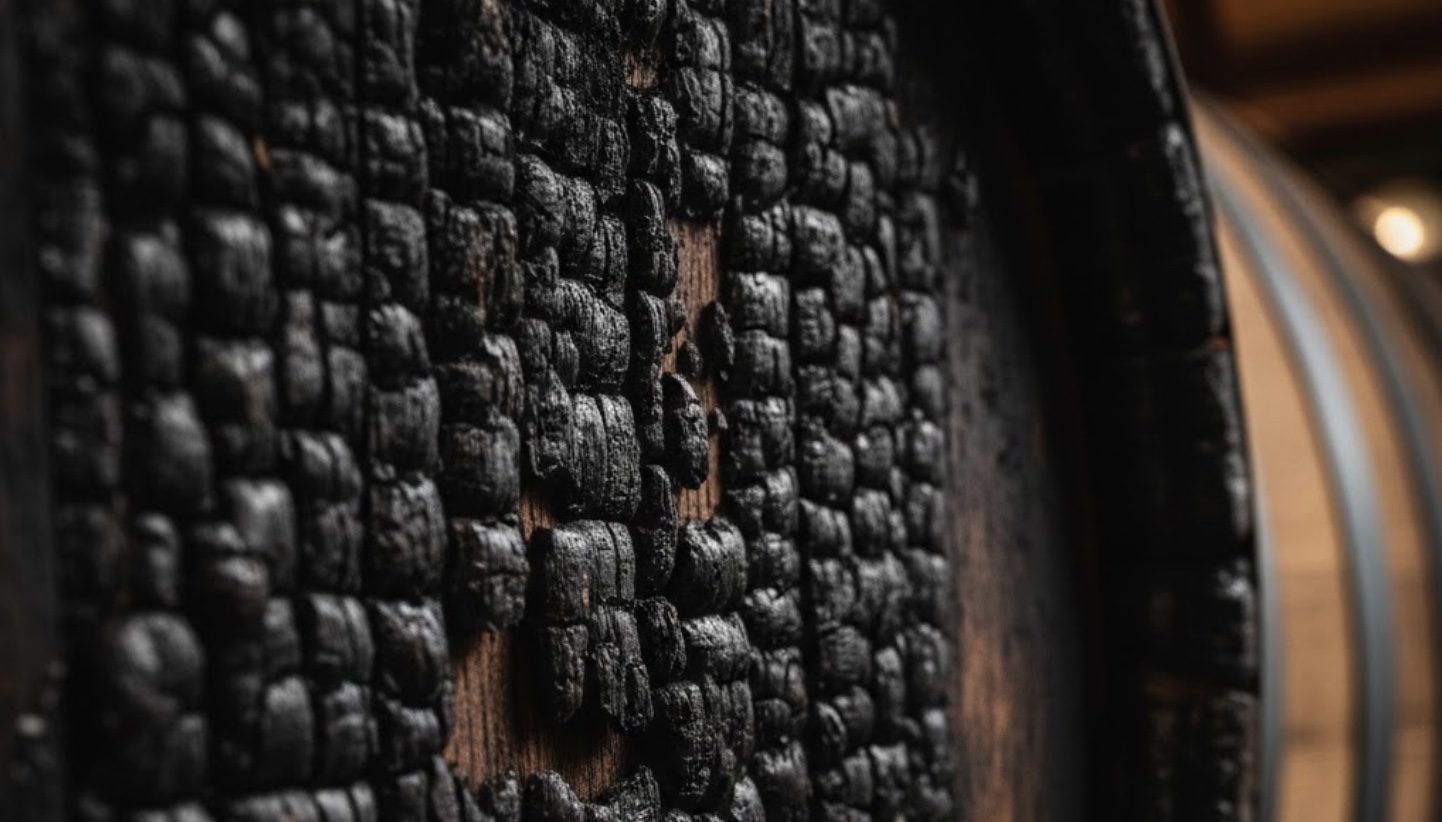
- Charring: Burning the inside of the barrel creates a layer of charcoal. This acts as a filter, but the heat layer just behind the char is where the highest concentration of vanillin is created.
As the spirit expands and contracts within the wood over years of ageing, it pulls these vanillin compounds out, infusing the liquid with that golden sweetness.
Understand the difference?
See our breakdown of Char Levels 1 through 4 (Vol 98).
3. American vs. European Oak
Not all oak is created equal. If you are a fan of vanilla bombs, you should be looking for whiskies matured in American White Oak (Quercus alba).
The Oak Showdown
- American Oak (Quercus alba):
High levels of vanillin and oak lactones. Produces flavours of vanilla, coconut, crème brûlée, and sweet spice. This is why Bourbon is so vanilla-forward. - European Oak (Quercus robur):
Lower vanillin content but higher tannin levels. Produces flavours of dried fruit, clove, nutmeg, and resin.
This is why many Scotch distilleries mature their spirit in ex-Bourbon casks. They want that American Oak profile to add sweetness to their malt.
4. How to Taste Vanillin
Detecting **Vanillin in Whisky** is often the first step for a beginner developing their palate. It is distinct, sweet, and usually sits on the “front” of the nose.
When nosing a Bourbon or a lighter Scotch, look for these associated aromas:
- Custard or Pastry Cream
- White Chocolate
- Ice Cream Cone Wafers
- Sponge Cake
Want to train your nose?
Check out our Ultimate Tasting Guide (Vol 12).
Summary: The Sweet Science
The presence of **Vanillin in Whisky** is a testament to the magic of the barrel. It transforms a clear, fiery spirit into a golden, mellow, and complex drink.
Whether you prefer the heavy vanilla hit of a Kentucky Bourbon or the subtle creamy notes of a Glenmorangie, you are tasting the direct result of lignin breakdown and time.
Become a Certified Expert
Take your knowledge from “hobbyist” to “connoisseur.” Join our Virtual Whiskey Tasting VIP program and get guided lessons, rare bottle alerts, and tasting notes sent straight to your inbox.