
5 Shocking Truths About Prohibition Era Whiskey (Taste & History)
Sip & Learn: Volume 151
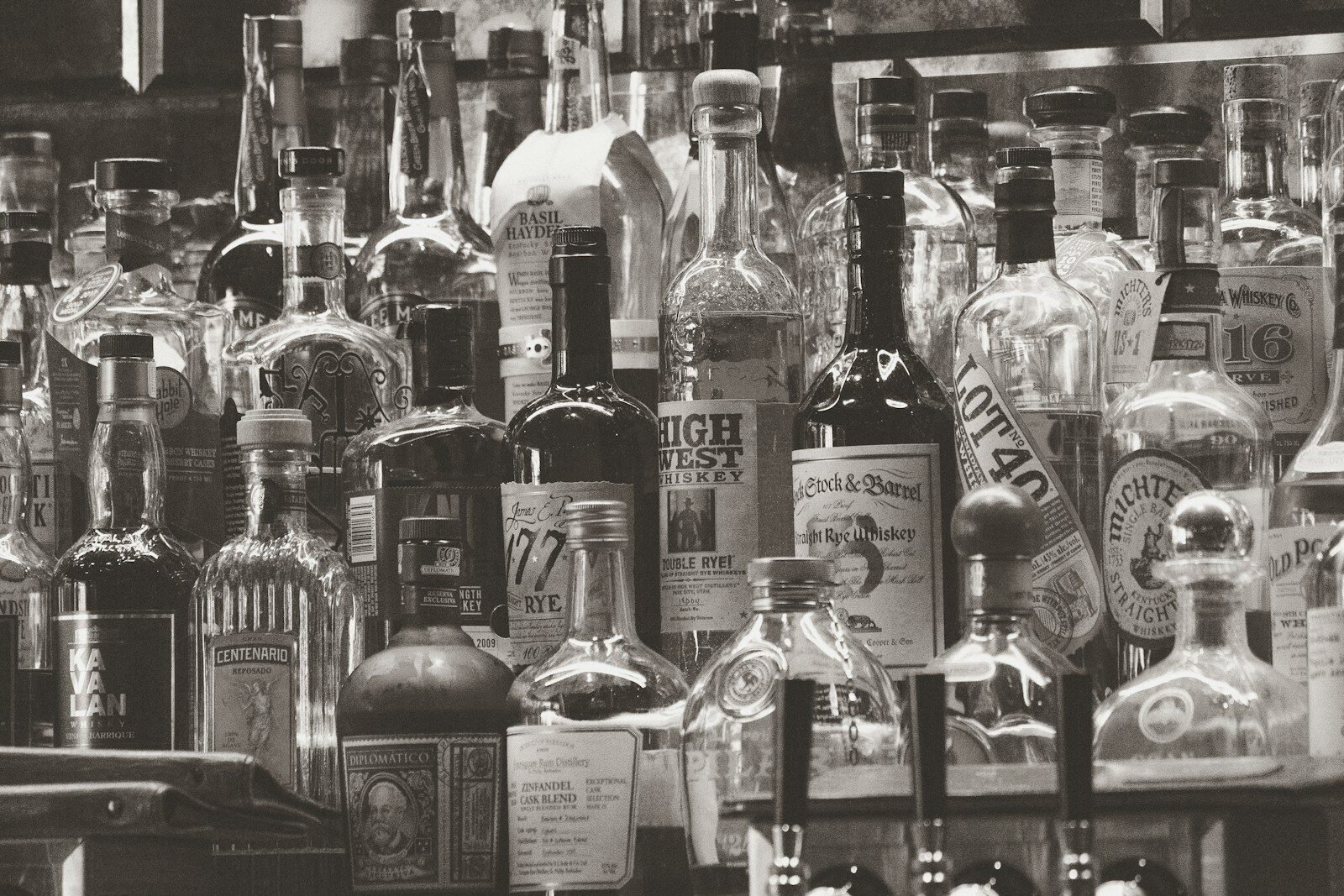
When we think of the 1920s, we imagine Jay Gatsby holding a crystal glass, flappers dancing the Charleston, and speakeasies serving delicious cocktails.
The reality of Prohibition Era Whiskey was far less glamorous and far more dangerous.
Between 1920 and 1933, the production and sale of alcohol were illegal in the United States. But people did not stop drinking; they just started drinking worse liquor. While the wealthy sipped on smuggled scotch, the average person was often drinking industrial run-off flavored with dead rats, iodine, or worse.
What did the “Roaring Twenties” actually taste like?
In this guide, we are going to peel back the romanticism and look at the gritty reality of bootleg liquor, the medicinal loophole that saved the bourbon industry, and the legacy of the “Real McCoy.”
Table of Contents
Click below to jump to a section:
1. The Loophole: Medicinal Whiskey
Not all Prohibition Era Whiskey was illegal. The Volstead Act contained a specific exemption for “Medicinal Spiritus Frumenti.”
Doctors were allowed to prescribe one pint of whiskey every 10 days to patients for ailments ranging from anxiety to the flu.
Six distilleries were granted licenses to bottle existing stocks for medicinal use. These included Brown-Forman (Old Forester), Frankfort Distillery (Four Roses), and Schenley.
What did it taste like?
This was the good stuff. It was properly aged, Bottled-in-Bond bourbon (100 proof, at least 4 years old). It tasted rich, oaky, and sweet—exactly like high-quality bourbon today. However, getting a prescription was expensive, making this a luxury for the upper class.
2. The Import: The “Real McCoy”
For those who couldn’t get a prescription, the next best option was smuggled goods.
Ships laden with Scotch, Irish Whiskey, and Canadian Rye would anchor just outside U.S. territorial waters (Rum Row). Smugglers would run the crates ashore under cover of darkness.
Captain Bill McCoy was a famous rum runner who prided himself on never watering down his product. If you bought from him, you got the “Real McCoy.”
What did it taste like?
Brands like Cutty Sark and Canadian Club became household names during this time. They were lighter, blended whiskies that were easy to drink and consistent. They tasted of light caramel, grain, and subtle spice.
How do blends compare?
See our Cheap vs Expensive Blend taste test (Vol 129).
3. The Danger: Rotgut and “Jake Leg”
If you were poor, you drank “Rotgut.”
This was industrial alcohol (used for fuels or cleaners) that had been “denatured” by the government—essentially poisoned to prevent people from drinking it.
Bootleggers would hire chemists to try and “renature” the alcohol, removing the poisons. They rarely succeeded fully. To mask the chemical taste, they would add glycerin, juniper oil, and caramel coloring.
The Tragedy:
One popular substitute called “Jamaica Ginger” (or Jake) was often contaminated with a plasticizer. This caused a neurotoxic condition known as “Jake Leg,” which left victims with permanent paralysis in their hands and feet. Tens of thousands of Americans were crippled by bad booze.
4. Flavor Profile: Iodine and Burn
So, what did the average speakeasy drink actually taste like?
It was harsh. Because they couldn’t age the spirit in barrels for years (it was too risky to store), most moonshine was sold fresh off the still.
To mimic the color of aged whiskey, bootleggers used:
- Iodine: Created a reddish tint but tasted medicinal.
- Tobacco: Chewing tobacco was soaked in the alcohol to add color and a nicotine buzz.
- Creosote: A wood preservative used to mimic the smoky flavor of Scotch.
This is why cocktails became so popular in the 1920s. Bartenders had to use heavy syrups, citrus, and bitters to mask the foul taste of the base spirit.
What is Moonshine really?
Read our Moonshine vs White Dog guide (Vol 119).
5. Modern Tributes to the Era
Today, several brands release whiskies that pay homage to this time (without the poison).
Old Forester 1920 Prohibition Style:
This is a 115-proof bourbon designed to replicate the flavor profile of the medicinal whiskey Old Forester sold during the dry years. It is rich, chocolatey, and intense.
Remus Repeal Reserve:
Named after George Remus, the famous “King of the Bootleggers,” this is a premium blend of high-rye bourbons that celebrates the repeal of the 18th Amendment.
Cutty Sark Prohibition Edition:
A higher-proof (50% ABV) version of the classic blend, designed to taste like the liquid Captain McCoy smuggled ashore.
Pro Tip:
If you want to taste history, buy a bottle of Old Forester 1920. It is widely considered one of the best readily available bourbons on the market today.
Summary: Be Glad You Drink Today
We are living in the golden age of whiskey.
While the stories of Prohibition Era Whiskey are fascinating, the liquid itself was often a gamble with death.
The next time you sip a safe, regulated, delicious glass of bourbon, raise a toast to the fact that you don’t need a prescription—or a smuggler—to enjoy it.
Become a Certified Expert
Take your knowledge from “hobbyist” to “connoisseur.” Join our Virtual Whiskey Tasting VIP program and get guided lessons, rare bottle alerts, and tasting notes sent straight to your inbox.