

Whisky Batch Numbers: Why They Matter (The Hunt for Flavor)
Sip & Learn: Volume 132
If you buy a bottle of Jack Daniel’s Old No. 7 today, and another one ten years from now, they will taste identical.
This consistency is an engineering miracle. Master blenders mix hundreds of barrels together to smooth out any differences, ensuring that the brand profile never drifts. For the casual drinker, this is a good thing.
But for the whisky enthusiast, consistency can be boring.
This is where Whisky Batch Numbers come in. In the world of Cask Strength and Small Batch releases, consistency is impossible. Every vatting of barrels is unique.
Some batches become legendary, trading for hundreds of dollars on the secondary market. Others are deemed “duds.” Knowing how to read these tiny codes on the label transforms whisky shopping from a transaction into a treasure hunt.
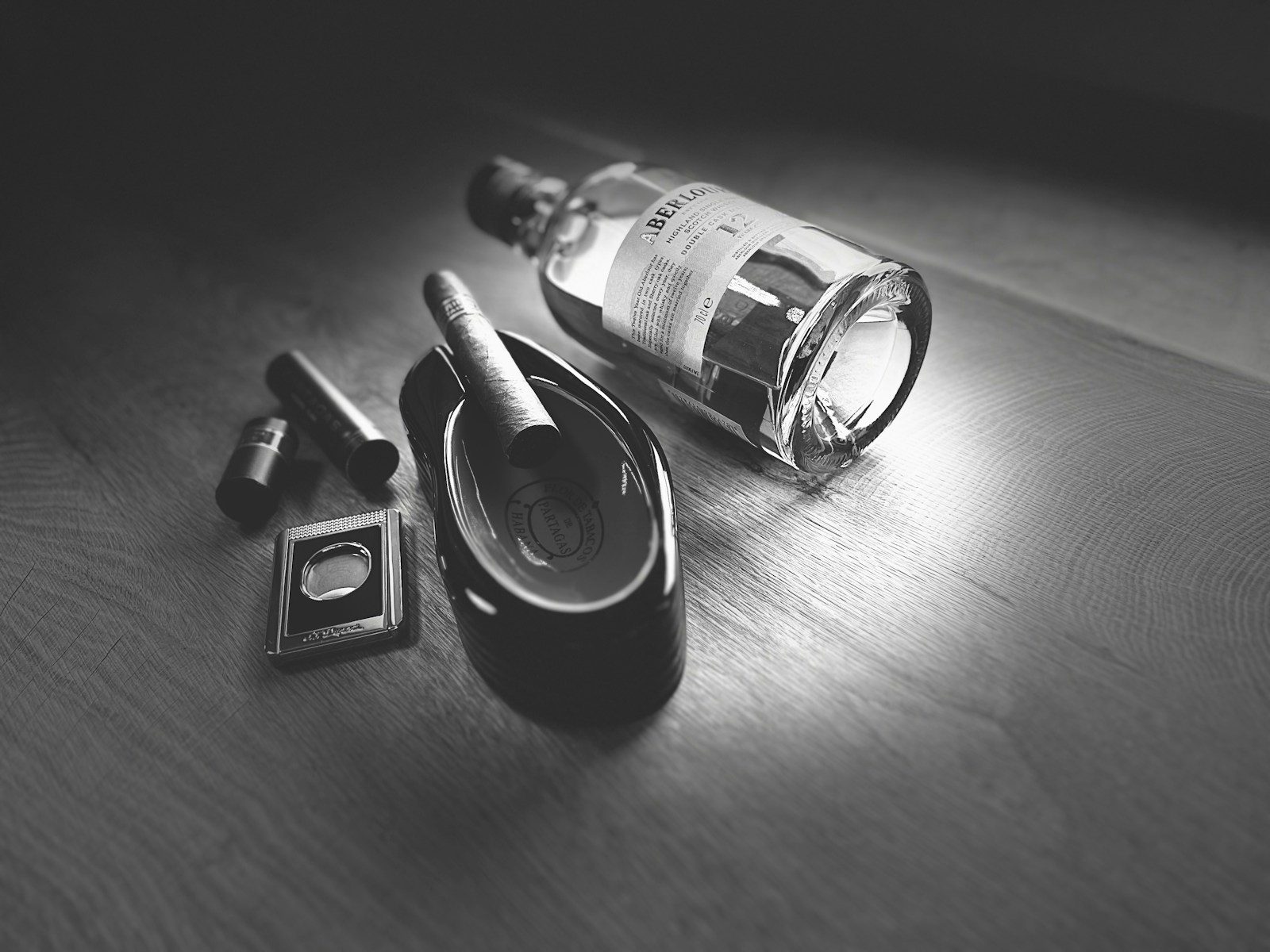
In this guide, we are going to look at why variation happens and how to track the best releases, using the famous Aberlour A’bunadh as our prime example.
Table of Contents
Click below to jump to a section:
1. What is a Batch Number?
A Batch Number is an identifier that tells you exactly which “run” or “bottling” a specific whisky came from.
Unlike a vintage (which tells you the year of distillation), a batch number tells you about the mix.
When a distillery creates a “Small Batch” or “Cask Strength” release, they might dump 50 barrels into a vat, let them marry for a few weeks, and then bottle it. That is Batch #1.
Six months later, they do it again with 50 different barrels. That is Batch #2. Because every barrel is different, Batch #2 will inevitably taste different from Batch #1.
2. Why Variation Happens (Nature vs Chemistry)
Why can’t they just make it taste the same?
Because wood is a natural product. Even if two barrels are filled on the same day with the same spirit and stored next to each other, they will mature differently.
- Evaporation: One barrel might lose more water (increasing ABV), while another loses more alcohol.
- Wood Grain: A tighter grain structure extracts flavor slower than a loose grain.
- Previous Contents: If using Sherry casks, one barrel might have held dry Oloroso while another held sweet Pedro Ximénez.
When you don’t add water to dilute the whisky down to a standard 40% (as seen in Cask Strength releases), these differences are amplified. The ABV fluctuates wildly from batch to batch.
What is Cask Strength?
Read the definition in our Glossary (Vol 110).
3. The Cult of Aberlour A’bunadh
There is no better example of whisky batch numbers mattering than the Aberlour A’bunadh.
This Speyside sherry bomb has no age statement. It is released purely in numbered batches. As of writing, they are well past Batch #75.
The Community:
Online forums are dedicated to debating which batch is best.
“Batch #60 was a spice monster at 60.3% ABV!”
“Batch #45 tasted like pure chocolate raisins.”
Collectors hunt for the early batches (1-9), which are now worth hundreds of dollars. Others avoid specific batches rumored to be “sulfury.” Buying a bottle of A’bunadh isn’t just buying whisky; it is buying a specific moment in the distillery’s history.
4. American Whiskey: Booker’s & ECBP
It is not just a Scottish phenomenon. American Bourbon has embraced the batch culture, turning it into a marketing art form.
Booker’s Bourbon
Booker’s releases 4 batches a year. Instead of numbers, they give them names like “Granny’s Batch” or “Tagalong Batch.” They publish the exact breakdown of where the barrels were located in the warehouse. Fans debate the merits of the “shiny barrel” batches vs. the “dusty” ones.
Elijah Craig Barrel Proof (ECBP)
Their codes look like secret spy messages: A123, B523, C923.
How to read it:
A/B/C: First (A), Second (B), or Third (C) release of the year.
Number: The month (1 = Jan, 5 = May, 9 = Sept).
Last two digits: The year (23 = 2023).
The “C923” batch became legendary almost overnight, creating a frenzy in liquor stores.
Pro Tip:
If you find a batch you love, go back to the store immediately and buy every bottle with that same code. The next shipment will likely be a different batch, and you may never taste that profile again.
5. How to Decode Laser Codes
Sometimes the batch isn’t printed clearly on the front label. You have to look for the “Laser Code.”
This is usually etched onto the glass near the bottom of the bottle. It looks like a dot-matrix print.
Example (Laphroaig/Ardbeg):
A code starting with L9 usually means it was bottled in 2009 (or 2019).
A code like 22/105 means it was bottled in 2022 on the 105th day of the year.
Learning to read these codes helps you avoid buying “old shelf turds” (bottles that have been sitting in sunlight for 5 years) or helps you find “dusty gems” (old bottlings hidden behind new ones).
Looking for investment bottles?
Check out our Investment Guide (Vol 120).
Summary: Embrace the Difference
Whisky Batch Numbers are a reminder that whisky is an agricultural product, not a digital one.
It changes with the seasons and the wood. Don’t be afraid of variation. Embracing the slight differences between Aberlour A’bunadh Batch 68 and Batch 72 is what separates the drinker from the connoisseur.
Become a Certified Expert
Take your knowledge from “hobbyist” to “connoisseur.” Join our Virtual Whiskey Tasting VIP program and get guided lessons, rare bottle alerts, and tasting notes sent straight to your inbox.