

The American Whiskey Trinity: Kentucky vs. Tennessee vs. Indiana
Sip & Learn: Volume 124
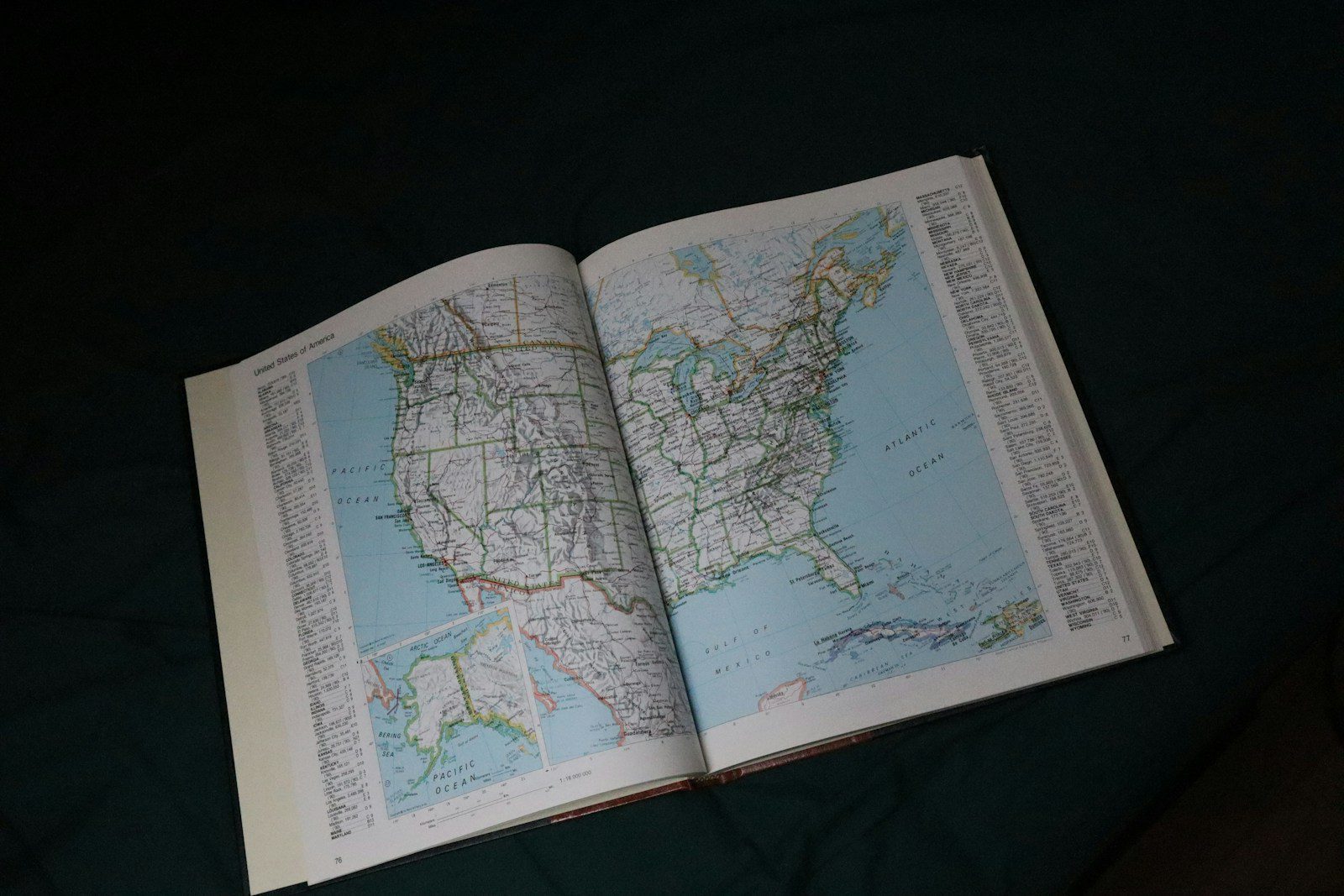
By law, Bourbon can be made anywhere in the United States. It is not legally tied to a specific state like Champagne is to France or Scotch is to Scotland.
However, if you scan the shelves of any respectable liquor store, you will notice that 95% of the bottles come from just three specific places: Kentucky, Tennessee, and Indiana.
These three American whiskey regions form the “Holy Trinity” of the spirit world. They share similar climates and grow the same corn, yet they produce distinctly different styles of spirit.
Is Tennessee Whiskey just Bourbon with a fancy marketing name? Why does so much Rye come from Indiana? And why is Kentucky still the undisputed king?
In this guide, we are going to break down the borders, the laws, and the flavors of America’s whiskey heartland.
Table of Contents
Click below to jump to a region:
1. Kentucky: The Limestone Throne
Kentucky produces 95% of the world’s bourbon supply. But why here? Why not Ohio or Virginia?
The answer lies underground. Kentucky sits on top of a massive natural limestone shelf. As rainwater filters through this rock, the limestone adds minerals (calcium) and, crucially, filters out iron.
Iron is the enemy of whiskey. It turns the spirit black and makes it taste metallic. Kentucky’s iron-free water is perfect for fermentation.
The Style:
Kentucky Bourbon is the benchmark. It is sweet, oaky, and robust. The climate here involves blistering hot summers and freezing winters. This extreme temperature swing forces the whiskey in and out of the barrel wood, accelerating the aging process.
Famous Brands: Jim Beam, Maker’s Mark, Buffalo Trace, Wild Turkey, Woodford Reserve.
Visiting Kentucky?
Check out our guide to Whiskey Travel (Vol 109).
2. Tennessee: The Lincoln County Process
Just south of the border lies Tennessee. Legally, Tennessee Whiskey is almost identical to Bourbon (51% corn, new oak barrels).
But to be labeled “Tennessee Whiskey,” it must undergo one extra step: The Lincoln County Process.
Before the whiskey goes into the barrel, it is slowly dripped through 10 feet of sugar maple charcoal. This filtration removes impurities and “harsh” grain oils before aging even begins.
The Style:
Because of the charcoal mellowing, Tennessee Whiskey tends to be lighter, smoother, and slightly sweeter than its Kentucky cousins. It often has a distinct note of charcoal or soot on the finish.
Famous Brands: Jack Daniel’s, George Dickel, Uncle Nearest.
3. Indiana: The Secret Powerhouse
While Kentucky and Tennessee get the fame, Indiana does the work.
In Lawrenceburg, Indiana, sits a massive brick factory known historically as MGP (now Ross & Squibb). For decades, this distillery has produced whiskey not for its own brand, but for hundreds of other brands.
If you buy a bottle of “Craft Rye” or “Small Batch Bourbon” from a new brand, check the back label. If it says “Distilled in Indiana,” it came from this factory.
The Style:
Indiana is famous for its 95% Rye mash bill. They make a spicy, herbal, minty whiskey that is technically flawless. While Kentucky focuses on tradition, Indiana focuses on industrial consistency and high-rye recipes.
Famous Brands (Sourced from Indiana): Bulleit Rye, Templeton Rye, High West (historically), Smoke Wagon.
Pro Tip:
Don’t look down on “Sourced” whiskey. The distillers in Indiana are some of the best in the world. Many award-winning bottles are actually made there.
4. Does Geography Change Flavor?
So, does the location actually matter? Yes, but not just because of the soil. It is about the tradition of each state.
- Kentucky provides the intense heat cycles needed for heavy oak extraction (vanilla/caramel).
- Tennessee adds the smoothness of charcoal filtration.
- Indiana offers a specific expertise in Rye grain fermentation that is hard to replicate elsewhere.
There are other emerging American whiskey regions, such as Texas (where the heat makes whiskey age 3x faster) and the Pacific Northwest (where single malts are thriving), but the “Big Three” still define the American palate.
Curious about Texas?
Read about Balcones in our Peated Bourbon Guide (Vol 116).
Summary: Know Your Source
The next time you are shopping for a bottle, look at the state of distillation.
- Want Sweet & Classic? Go Kentucky.
- Want Mellow & Smooth? Go Tennessee.
- Want Spicy & Herbal? Go Indiana (Rye).
Understanding these American whiskey regions allows you to predict the flavor before you even pop the cork.
Become a Certified Expert
Take your knowledge from “hobbyist” to “connoisseur.” Join our Virtual Whiskey Tasting VIP program and get guided lessons, rare bottle alerts, and tasting notes sent straight to your inbox.