
Campbeltown Whisky Region: The Rise, Fall, and Rebirth
Sip & Learn: Volume 114
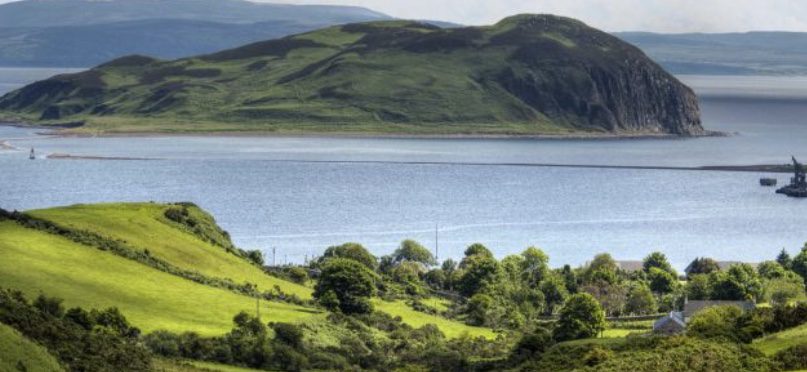
If you look at a map of Scotland’s whisky regions, you will see the massive Highland region, the dense Speyside region, and the famous island of Islay.
But if you look closely at the bottom of the Kintyre peninsula, you will see a tiny dot labeled Campbeltown.
Today, it is the smallest whisky region in Scotland. But 150 years ago, it was the undisputed “Whisky Capital of the World.”
The story of the Campbeltown whisky region is a dramatic saga of boom and bust. It involves massive wealth, American Prohibition, a total collapse in quality, and a miraculous modern-day resurrection driven by cult enthusiasts.
In this guide, we are going to explore why this small Victorian town once ruled the whisky world, why it crashed, and why bottles from Campbeltown are now the most hunted treasures in the industry.
Table of Contents
Click below to jump to a chapter:
1. The Rise: Victorian Capital
In the late 1800s, Campbeltown was booming.
This small fishing town had over 30 working distilleries packed into its streets. It was said to have the highest per capita income in the entire United Kingdom.
Why was it so successful?
It was the perfect storm of geography and resources. The town had a deep-water port that connected it directly to Glasgow and the export markets of the USA. It had access to local coal mines for fuel. It had endless supplies of barley from the Kintyre farms, and peat from the local bogs.
During this era, the Campbeltown whisky region produced a heavy, oily, smoky spirit that was the backbone of almost every blended Scotch in existence.
2. The Fall: Greed and Prohibition
By the 1920s, the bubble burst. The fall of Campbeltown was swift and brutal.
Several factors killed the region:
- Prohibition in the USA (1920): A massive chunk of the export market vanished overnight.
- The Great Depression: Economic collapse reduced demand for luxury goods.
- Changing Tastes: The public began to prefer the lighter, floral whiskies of Speyside (like Glenfiddich) over the heavy, oily Campbeltown style.
- Greed (The “Stinking Fish”): This was the final nail. To churn out whisky faster, some distillers cut corners, using old herring barrels to age their spirit. The whisky tasted fishy and awful. The reputation of the town was destroyed.
By the 1930s, almost every distillery had closed. The “Capital of the World” was a ghost town.
3. The Survivors: Springbank & Glen Scotia
For decades, only two distilleries kept the flame alive: Springbank and Glen Scotia.
Springbank is unique. It is the only distillery in Scotland to malts 100% of its own barley, distill, mature, and bottle everything on-site. It is a time capsule of Victorian distilling methods. They produce three distinct styles:
- Springbank: Lightly peated, oily, 2.5 times distilled.
- Longrow: Heavily peated, double distilled.
- Hazelburn: Unpeated, triple distilled.
Glen Scotia, the other survivor, struggled for years but has recently seen a massive resurgence in quality, winning “Distillery of the Year” awards and producing incredible maritime, salty malts.
Springbank uses Worm Tubs.
Find out how this equipment creates their heavy texture.
4. The Rebirth: The Story of Glengyle
In the early 2000s, the Campbeltown whisky region faced a bureaucratic crisis.
The Scotch Whisky Association (SWA) threatened to strip Campbeltown of its “Region” status because it only had two active distilleries (Springbank and Glen Scotia). They argued it should just be part of the Highlands.
Hedley Wright, the owner of Springbank, was furious. To save the region, he bought the ruins of the old Glengyle distillery and rebuilt it.
In 2004, Glengyle Distillery (bottled as Kilkerran) began production. This brought the count back up to three, securing Campbeltown’s legal status as a protected whisky region.
Pro Tip:
Kilkerran 12 Year Old is widely considered one of the best value-for-money single malts on the market today. If you see it, buy it.
5. The “Campbeltown Funk” Profile
Why are enthusiasts obsessed with this region today? It is all about the “Funk.”
While Islay is known for smoke and Speyside for fruit, the Campbeltown whisky region offers a complex, industrial, coastal profile.
The Tasting Notes:
Expect notes of brine, sea salt, wet wool, engine oil, diesel, and dunnage warehouse (that smell of damp earth and old oak).
It sounds challenging, and it is. But once you acquire the taste for it, the clean, sweet whiskies of other regions can feel boring by comparison.
Summary: The Cult Favorite
Campbeltown will never be the volume capital of the world again. Speyside produces too much, and Islay is too famous.
However, Campbeltown has become the Quality Capital.
With new distilleries like Lochindaal and Machrihanish currently in planning stages, the region is growing for the first time in a century. The “Wee Toon” is back on the map, and its oily, funky spirit is stronger than ever.
Become a Certified Expert
Take your knowledge from “hobbyist” to “connoisseur.” Join our Virtual Whiskey Tasting VIP program and get guided lessons, rare bottle alerts, and tasting notes sent straight to your inbox.