

Whisky Worm Tub vs Shell-and-Tube Condensers: The Texture War
Sip & Learn: Volume 113
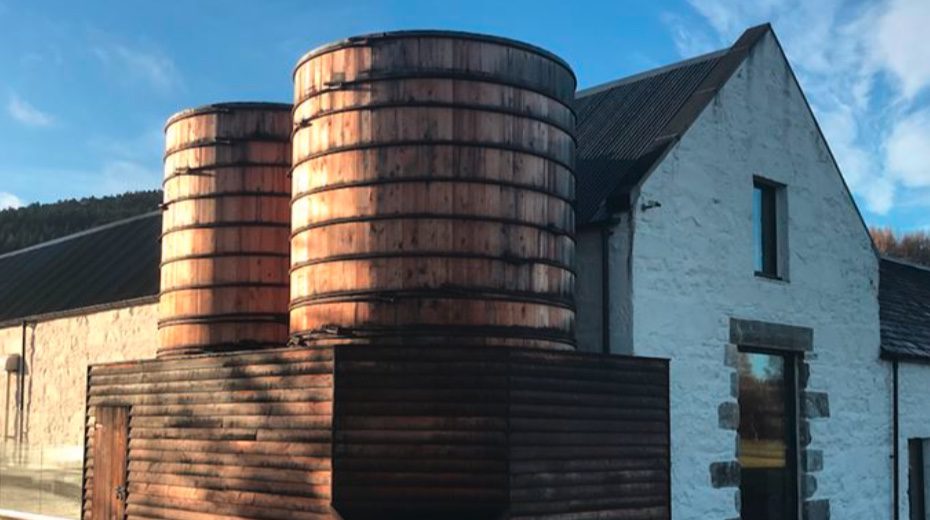
When whiskey lovers discuss flavor, they usually talk about casks. They talk about Sherry vs. Bourbon barrels, or American Oak vs. European Oak.
But there is a hidden war being fought long before the spirit ever enters a barrel. It is a war over texture, weight, and “meatiness.” And it is fought in the condenser.
The equipment used to turn alcohol vapor back into liquid has a profound impact on the character of the spirit. It essentially divides the Scotch whisky world into two camps: the modern, light, and fruity spirits made in Shell-and-Tube condensers, and the heavy, sulfur-rich, old-school spirits known as Whisky Worm Tub.
If you have ever wondered why Mortlach tastes like beef broth or why Glenmorangie tastes like delicate citrus, the answer isn’t just in the ingredients—it’s in the copper.
In this deep dive, we are going to explore the physics of condensation and why a few remaining distilleries refuse to upgrade their antique equipment.
Table of Contents
Click below to jump to a section:
1. The Science: Copper Contact
To understand Worm Tub whisky, you must understand the relationship between alcohol vapor and copper.
During fermentation, yeast creates alcohol, but it also creates heavier, smellier compounds, including sulfur. In its raw form, these sulfur compounds can smell like struck matches, rubber, or rotting vegetables.
Copper is the cleaner. When hot alcohol vapor touches copper, a chemical reaction occurs that strips out these heavy sulfur compounds, leaving behind lighter, fruity esters.
The Golden Rule:
More copper contact = Lighter, fruitier, cleaner spirit.
Less copper contact = Heavier, oilier, “meatier” spirit.
2. What is a Whisky Worm Tub?
This is the old way. For centuries, this was the only way to condense whisky.
A Worm Tub consists of a single, long copper pipe that coils like a snake (the “worm”) inside a large wooden or metal vat (the “tub”) filled with cold water.
The hot alcohol vapor travels from the still into this long, coiled pipe. As it travels down, the cold water surrounding the pipe cools the vapor, turning it back into liquid.
Why it creates heavy whisky:
Because the pipe is relatively narrow and the flow is fast, there is minimal surface area for the vapor to touch. The “copper contact” is very low.
As a result, the copper cannot strip away all the heavy oils and sulfur compounds. These survive into the new make spirit, giving Worm Tub whisky a distinctively thick, viscous texture and savory flavor.
Want to taste the difference?
Check out Mortlach in our Sherry Cask guide.
3. What is a Shell-and-Tube?
This is the modern standard. Most distilleries in Scotland switched to this method in the mid-20th century for efficiency.
A Shell-and-Tube Condenser looks like a large, upright copper cylinder. Inside, it is packed with hundreds of small, thin copper tubes. Cold water runs through these small tubes, and the hot alcohol vapor fills the space around them.
Why it creates light whisky:
The design creates a massive amount of surface area. The vapor is forced to touch copper constantly as it condenses.
This “copper conversation” strips out almost all the heavy sulfur and oils. The resulting spirit is light, floral, fruity, and elegant. Distilleries like Glenmorangie and Glenfiddich rely on this to create their approachable house style.
4. Flavor Comparison: Heavy vs. Light
So, how do you spot the difference in your glass?
Worm Tub Profile
- Texture: Oily, waxy, thick.
- Flavors: Savory, meaty (beef broth), struck match, nuts, heavy earth.
- Aging: Often needs longer in the cask to tame the “funk.”
Shell-and-Tube Profile
- Texture: Light, crisp, smooth.
- Flavors: Green apple, pear, vanilla, fresh grass, citrus zest.
- Aging: Can be ready to drink at a younger age.
5. Famous Worm Tub Distilleries
Out of over 130 distilleries in Scotland, only about 15 still use worm tubs. They are kept alive by distillers who prioritize character over efficiency.
If you want to experience the “Meaty” style, look for these names on the bottle:
- Mortlach: Known as “The Beast of Dufftown.” The ultimate example of savory, meaty whisky.
- Craigellachie: Famous for its sulfur-heavy, pineapple-and-smoke profile. They proudly advertise their worm tubs.
- Talisker: The worm tubs here help trap the maritime pepperiness and chili-spice notes.
- Edradour: Scotland’s “Little Gem” produces a remarkably heavy, farmyard-style spirit due to its tiny worm tubs.
- Dalwhinnie: A surprise entry. Though known as a gentle Highland malt, the worm tubs give it a sulfurous honey note that adds depth.
Pro Tip:
If you enjoy a “dirty” whisky—one with funk, grit, and weight—always check if the distillery uses worm tubs. It is usually a dead giveaway.
Confused by terms like “Finish”?
Brush up on your Whiskey Glossary here.
Summary: Know Your Equipment
The next time you pour a dram, think about the machinery that made it.
Is it light and airy, born from the efficient copper embrace of a Shell-and-Tube condenser? Or is it thick, waxy, and challenging, born from the low-contact coils of a Worm Tub?
In a world where smoothness is often overvalued, Worm Tub whiskies offer a reminder that sometimes, a little bit of “roughness” makes for a much more interesting drink.
Become a Certified Expert
Take your knowledge from “hobbyist” to “connoisseur.” Join our Virtual Whiskey Tasting VIP program and get guided lessons, rare bottle alerts, and tasting notes sent straight to your inbox.