

10 Whiskey Terms Every Whiskey Lover Should Know (The Essential Glossary)
Sip & Learn: Volume 110
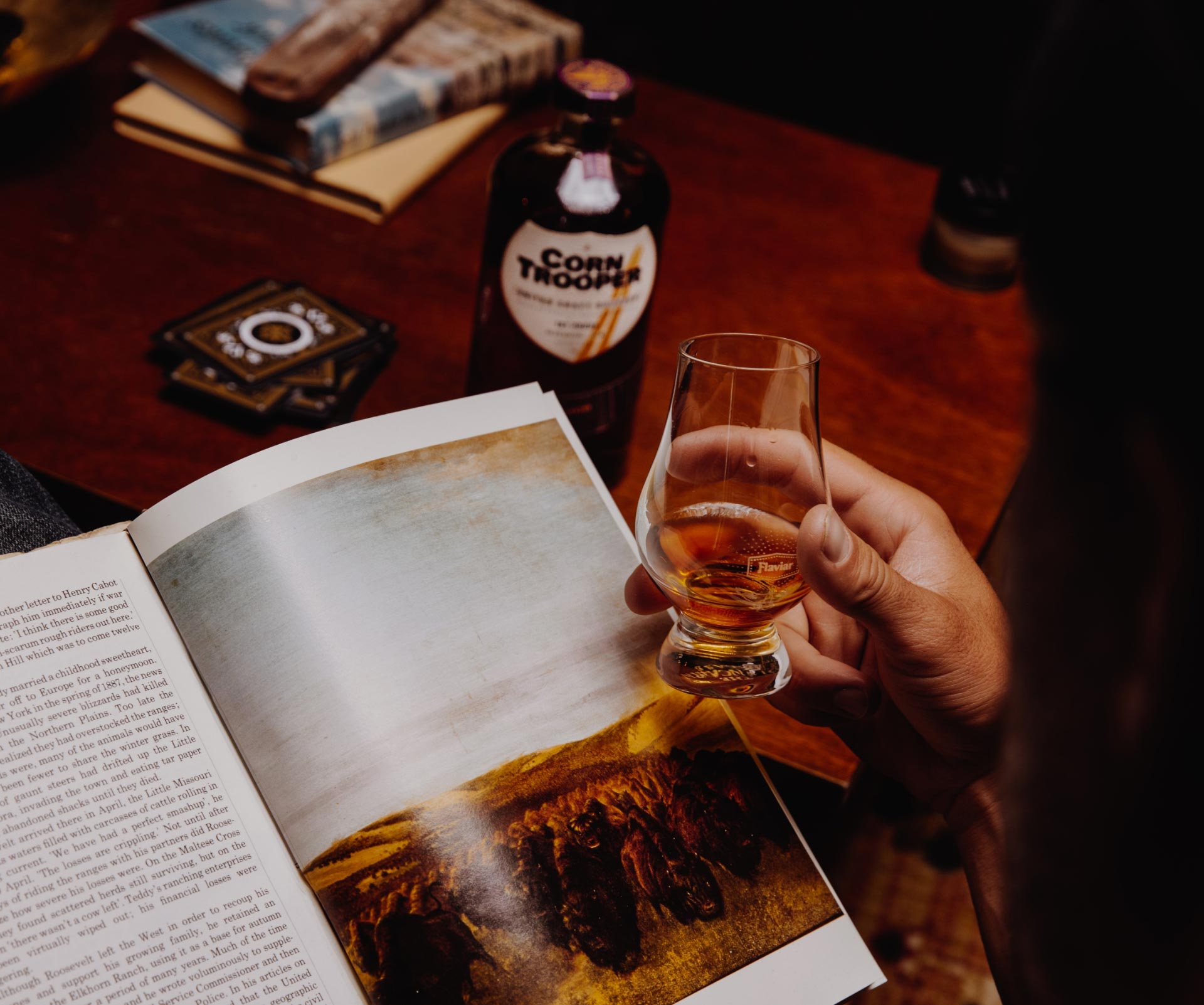
Walking into a high-end liquor store or browsing a leather-bound whiskey menu can sometimes feel like trying to read a foreign language.
You see words like “Single Malt,” “Cask Strength,” and “Non-Chill Filtered” plastered across labels. But what do these terms actually mean for the liquid inside the glass? Is a “Single Malt” always better than a “Blend”? Does “Cask Strength” just mean it will burn more?
Whiskey terms are not just technical jargon used by snobs to sound sophisticated at dinner parties. They are the keys to understanding flavor. They are the map that tells you where the spirit has been and what it will taste like.
Knowing the difference between a “Mash Bill” and a “Finish” helps you predict if a bottle will be sweet and spicy, or smooth and mellow, before you even pay for it.
In this guide, we are going to break down the top 10 essential whiskey terms that every enthusiast needs to master to buy better bottles and taste with confidence.
Table of Contents
Click below to jump to a definition:
1. Mash Bill
The Mash Bill is essentially the recipe card for the distiller. It refers to the specific mixture of grains used to ferment and distill the whiskey.
Before fermentation begins, a distiller must decide what grains to cook. The most common grains used in whiskey production are corn, rye, barley, and wheat. The specific ratio of these grains determines the foundational flavor profile of the spirit before it ever touches a barrel.
Why it matters:
Understanding the mash bill allows you to predict flavor. If a mash bill is at least 51% corn (and made in the USA), it is Bourbon, which is usually sweet with notes of caramel and vanilla. If it has a high percentage of rye (the “flavoring grain”), the whiskey will be spicy, dry, and herbal. If it is 100% malted barley, it will often be nutty, biscuity, or roasted.
Love the sweet stuff?
Check out our guide to High-Corn Bourbons.
2. ABV / Proof
ABV stands for Alcohol By Volume. It is the standard international measure of how much pure ethanol is present in the liquid compared to water.
Proof is an older term, predominantly used in the United States and rooted in British naval history (where gunpowder was “proven” by soaking it in rum). In the modern US system, the Proof is simply double the ABV.
The Math:
A whiskey that is 50% ABV is 100 Proof. A standard bottle of Jack Daniel’s is 40% ABV, making it 80 Proof.
Generally, a higher ABV means a more intense flavor delivery and a thicker texture (mouthfeel), but it also brings more “burn” or heat on the finish. Most enthusiasts prefer whiskeys bottled at 43% to 46% ABV rather than the legal minimum of 40%.
3. Single Malt vs. Blend
This is perhaps the most confused of all whiskey terms, leading to many arguments at the bar.
Single Malt does not mean the whiskey came from a single barrel. It means the whiskey came from a single distillery and is made from 100% malted barley. It is actually a marriage of hundreds or thousands of barrels, but all produced at the same physical location.
Blended Whisky (like Johnnie Walker or Chivas Regal) is a mix of barrel types from multiple different distilleries. Blends usually combine lighter grain whiskies (made from wheat or corn) with heavier malt whiskies to create a consistent, smooth product.
Neither is inherently “better,” but Single Malts tend to have more distinct, unique character, while blends aim for approachable smoothness.
Confused by Scotch?
Read our guide to the 5 Regions of Scotland.
4. The Angel’s Share
This is the most romantic term in the industry, often used by tour guides to explain where the missing whiskey went.
As whiskey ages in porous oak barrels, the wood expands and contracts with the changing weather. This allows the spirit to “breathe” and interact with the wood sugars, but it also allows some liquid to evaporate into the atmosphere.
This evaporated whiskey is called The Angel’s Share.
In cool climates like Scotland, distillers lose about 2% of their volume per year. In hot climates like Kentucky, Texas, or India, the Angels are greedier, taking up to 12% a year. This concentration effect is why older whiskies are so rare and expensive—there simply isn’t much left in the barrel after 20 years.
5. Peat (Phenols)
If you have ever tasted a Scotch that smelled like a campfire, iodine, burnt tires, or fresh asphalt, you have tasted Peat.
Peat is compressed, decomposing vegetation found in bogs. In Scotland (especially on the island of Islay), this peat is dug up and burned in a kiln to dry the damp barley grain before fermentation.
The smoke from the burning peat infuses the grain with chemical compounds called phenols. This flavor is incredibly resilient; it survives the entire fermentation and distillation process, ending up in your glass as that signature smoky kick.
Like it smoky?
See how Japan uses Peat differently than Scotland.
6. Cask Strength
Most whiskey found on shelves is diluted with purified water before bottling to bring it down to a standard, palatable 40% or 43% ABV.
Cask Strength (often called Barrel Proof) means the whiskey goes from the barrel to the bottle with no water added.
These are potent spirits, often ranging from 55% to 65% ABV. They offer the purest representation of the whiskey. Enthusiasts flock to these bottles because they can add their own water to taste, controlling the dilution personally rather than letting the distillery decide.
Pro Tip:
When drinking Cask Strength, always take very small sips. Adding a few drops of water can “open up” the oils, releasing hidden floral or fruit notes that the high alcohol masked.
7. Chill Filtration
You will often see bottles proudly proclaim “Non-Chill Filtered” on the label. But what is the filtration they are avoiding?
Chill Filtration is a cosmetic process. Large distilleries lower the temperature of the whiskey to near freezing and pass it through a fine filter. This removes fatty acids, esters, and proteins.
Why do they do it? If they don’t, the whiskey might turn cloudy (hazy) when you add ice or cold water.
Why avoid it? Purists believe those oils contain crucial texture and flavor. Removing them makes the whiskey look clearer but can thin out the mouthfeel and remove complexity. “Non-Chill Filtered” usually signifies a higher quality spirit.
8. Finishing (Wood Management)
Traditionally, whiskey was aged in just one type of barrel. Today, Finishing is a massive trend in global whisky.
This process involves taking mature whiskey out of its primary cask (usually American White Oak) and placing it into a secondary, different cask for a short period—usually 3 months to 2 years.
Common finishes include Sherry, Port, Rum, or Wine casks. This layers new flavors on top of the old ones. For example, a “Sherry Finish” will add notes of dried fruit, raisins, and dark chocolate to a vanilla-forward spirit. This technique allows for infinite flavor combinations.
Exploring flavors?
Check out World Whiskies known for unique wine finishes.
9. Age Statement
The big number on the bottle is the Age Statement.
By law in most countries (including Scotland, the US, and Ireland), the age statement must reflect the youngest drop of whiskey in the bottle.
If a master blender mixes a 10-year-old barrel with a 50-year-old barrel to add complexity, that bottle must be labeled as “10 Years Old.”
However, it is vital to remember that age does not always equal quality. In hot climates, older whiskey can become too woody, tannic, and bitter. Many modern brands release “NAS” (No Age Statement) bottles to focus on flavor profile rather than a specific number.
10. Dram
Finally, a term for the measurement of pleasure.
A Dram is a traditional Scottish term for a pour of whisky. Technically, in historical apothecaries, a fluid dram was one-eighth of a fluid ounce (roughly 3.7ml).
Today, the definition is much looser and more welcoming. A dram is simply a glass of whisky, regardless of the size. It is a social invitation. Asking someone, “Fancy a dram?” is the universal handshake of the whiskey world, signifying friendship, relaxation, and shared experience.
Summary: Speak the Language
Learning these whiskey terms changes the way you shop.
Instead of staring blankly at a wall of amber bottles, you can now read the labels like a pro and make informed decisions.
- Want texture? Look for 46% ABV and Non-Chill Filtered.
- Want sweetness? Look for a Corn Mash Bill or a Sherry Finish.
- Want value? Don’t obsess over Age Statements; trust your palate.
The more you know about the production, the more you will appreciate the dram in your hand.
Become a Certified Expert
Take your knowledge from “hobbyist” to “connoisseur.” Join our Virtual Whiskey Tasting VIP program and get guided lessons, rare bottle alerts, and tasting notes sent straight to your inbox.