
Speyside vs Highlands Whisky: The Friendly Rivalry (2026 Guide)
Sip & Learn: Volume 70
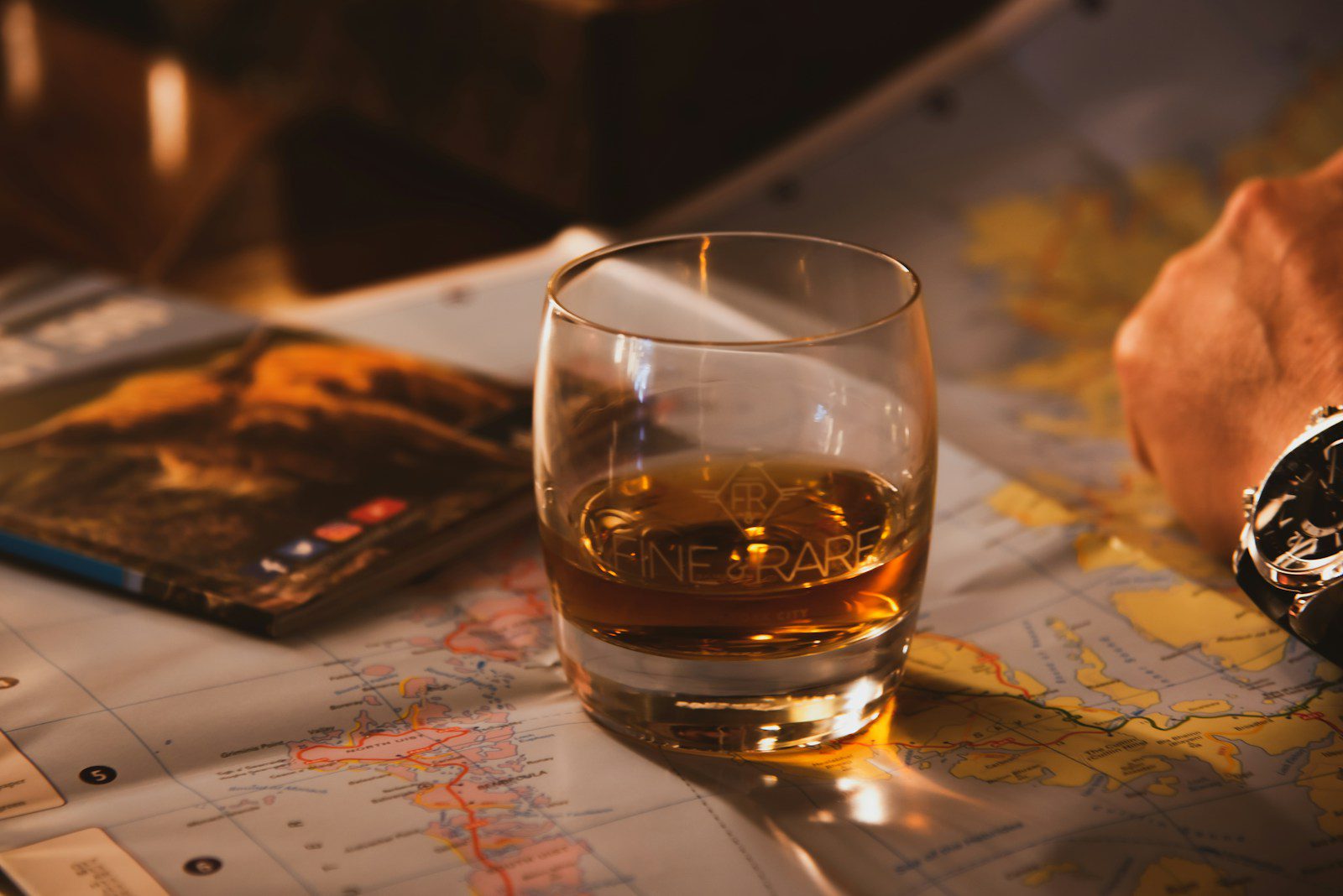
The debate of Speyside vs Highlands Whisky is the most common source of confusion in the world of Scotch.
If you look at a map of Scotland, you will see that Speyside is geographically located inside the Highlands.
This leads to the question: Why are they treated as separate regions?
Technically, every Speyside whisky is a Highland whisky (and can legally label itself as such, like The Macallan often does). But not every Highland whisky is a Speyside.
The difference comes down to density and style. Speyside is the Manhattan of the whisky world—densely packed with distilleries producing a sweet, fruity style. The Highlands is the wild frontier—vast, empty, and producing a diverse range of spicy, rich, and sometimes smoky spirits.
In this guide, we are going to break down the Speyside vs Highlands Whisky rivalry so you know exactly what flavor profile to expect from the bottle.
Table of Contents
Click below to jump to a section:
1. The Geography: The “Golden Triangle”
To understand the Speyside vs Highlands Whisky split, you have to look at the water.
The Highlands
This region is massive. It covers everything from the north of Glasgow all the way to the tip of John O’Groats.
It is a land of mountains, heather, and unpredictable weather. Because the region is so big, the distilleries are spread far apart. This isolation meant that historically, each distillery developed a very unique character.
Speyside
This is a small pocket of land in the northeast, located around the River Spey.
Despite its small size, it contains over 50% of all Scotland’s distilleries.
Why? Because of the water and the railway. The River Spey provided excellent water for production, and the Victorian railway lines made it easy to transport coal in and whisky out. This density created a cluster of distilleries that all shared a similar “house style.”
Need a map?
Check out our guide to the 5 Regions of Scotland.
2. Speyside Profile: The Fruit Bomb
If you like sweet, fruity, and elegant drinks, you are a Speyside fan.
Speyside whiskies typically have very little peat smoke. They focus on the flavor of the malted barley and the interaction with the cask (usually Sherry or Bourbon).
Common Notes:
– Orchard Fruit: Apples, pears, and bananas (from fermentation esters).
– Sherry Spice: Dried raisins, figs, cinnamon, and nutmeg.
– Honey: Vanilla and heather honey.
The Heavyweights:
The three best-selling Single Malts in the world—Glenfiddich, Glenlivet, and Macallan—are all Speysides. This region defines the “taste of Scotch” for most of the world.
Love Sherry flavors?
Read our guide on Sherry vs Bourbon Casks to understand why Macallan tastes dark.
3. Highlands Profile: The Rugged Mix
Defining a “Highland Style” is difficult because the region is so vast. However, in the Speyside vs Highlands Whisky comparison, Highlands are generally considered more “robust.”
They often have a heavier texture (mouthfeel) and a dry, spicy finish.
- Northern Highlands (e.g., Dalmore, Glenmorangie): Rich, cereal-forward, and spicy. Often full-bodied and malty.
- Southern Highlands (e.g., Aberfeldy): Lighter, honeyed, and nutty.
- Western Highlands (e.g., Oban): Can have a touch of salt and maritime brine due to the coast.
While Speyside is about “Elegance,” the Highlands are about “Complexity and Weight.”
4. Why Macallan is Confusing (The Label Law)
This is a fun fact to impress your friends.
For many years, bottles of The Macallan said “Highland Single Malt” on the label.
However, The Macallan is located in Craigellachie, which is deep in the heart of Speyside. So, is the label lying?
No.
Legally, Speyside is a sub-region of the Highlands. A distillery in Speyside is allowed to call itself “Speyside” OR “Highland.”
Many famous Speyside distilleries (like Macallan and Glenfarclas) prefer to use “Highland” on their label because they believe it sounds more prestigious and traditional.
Conversely, a distillery in the Highlands (like Dalmore) is not allowed to call itself “Speyside.” It works one way, but not the other.
Want to decode labels like a pro?
Check out our guide on How to Read a Whisky Label.
5. The Best Bottles to Compare
To truly understand the Speyside vs Highlands Whisky difference, you need to do a side-by-side taste test.
The Speyside Champion: The Balvenie 12 DoubleWood
This bottle defines the region. It is matured in Bourbon wood and finished in Sherry wood. It tastes like honey, vanilla, stewed fruit, and cinnamon. It is incredibly smooth and polished.
The Highland Champion: The Dalmore 12
This bottle defines the Highland style. It is also aged in Sherry, but it tastes heavier. It has notes of orange marmalade, dark chocolate, roasted coffee, and heavy spice. It feels thicker and drier on the tongue than the Balvenie.
The Verdict:
Balvenie (Speyside) is sweet and round. Dalmore (Highland) is spicy and rich.
Looking for more bottles?
See our full list of the 5 Best Single Malts for Beginners.
6. Summary: Sweet vs Spicy
So, which region wins the Speyside vs Highlands Whisky battle?
Choose Speyside If:
– You like sweet, dessert-like flavors.
– You want an “easy drinking” smooth whisky.
– You love fruit notes (Pear, Apple, Raisin).
Choose Highlands If:
– You want variety and adventure.
– You prefer a “drier,” spicier, or nuttier profile.
– You enjoy a whisky with a bit more weight and body.
Ultimately, these two regions produce the finest whisky in the world. You can’t go wrong with either.
Become a Certified Expert
Take your knowledge from “hobbyist” to “connoisseur.” Join our Virtual Whiskey Tasting VIP program and get guided lessons, rare bottle alerts, and tasting notes sent straight to your inbox.