
Yeast & Fermentation: Where Whisky Flavor is Actually Born (2026)
Sip & Learn: Volume 64
When people talk about whisky flavor, they usually talk about the Wood (Oak) or the Smoke (Peat).
They ignore the most important ingredient of all: Yeast.
Without yeast, there is no alcohol. But more importantly, without yeast, there is no fruit flavor.
If you have ever tasted a Scotch that smells like bananas, apples, or pears, that flavor did not come from the barrel. It came from the whisky fermentation process.
While distillation concentrates the flavor, fermentation creates it.
In this guide, we are going deep into the biology of the washback. We will explain how distillers manipulate time and bacteria to create the specific flavors you love.
Table of Contents
Click below to jump to a section:
1. The Basics: From Wort to Wash
Whisky fermentation is essentially the process of making beer.
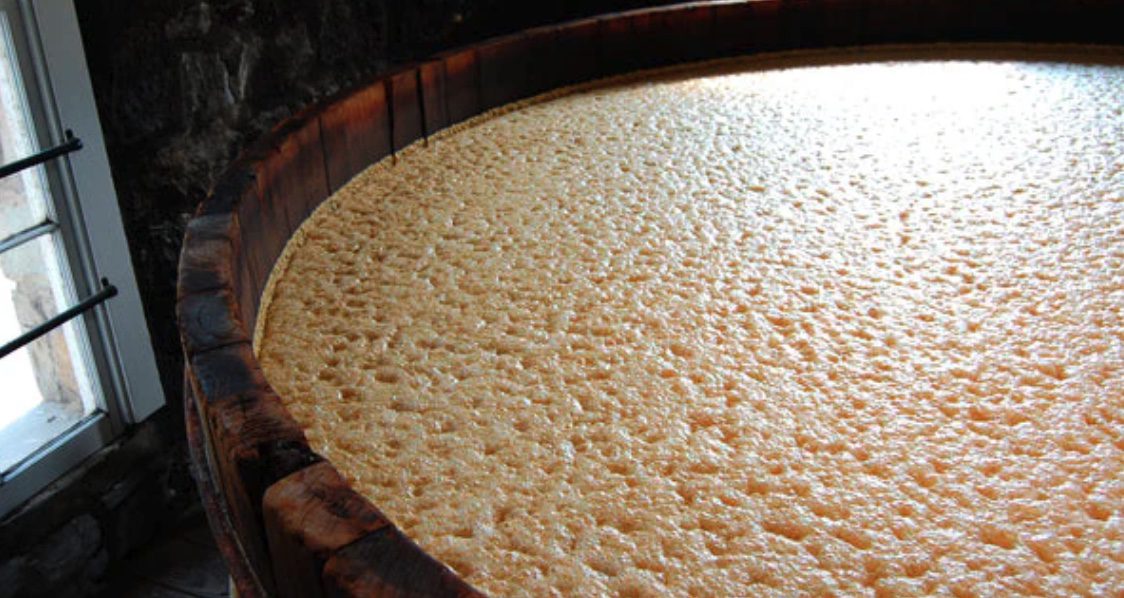
The distiller starts with a sugary liquid called “Wort” (extracted from the malted barley). They pump this into a giant tank called a Washback and add yeast.
The yeast is a living organism. It eats the sugar in the liquid. As a byproduct of eating, it produces two things:
- Ethanol: The alcohol we want to drink.
- Carbon Dioxide (CO2): Gas that bubbles to the surface.
This process creates a violent, bubbling reaction. After about 48 hours, the sugar is gone, and you are left with a sour beer called “Wash” at about 8% ABV.
If the distiller stopped here, the whisky would taste nutty and malty. But many distillers let it keep going.
What happens next?
See where the liquid goes in our How Whisky is Made guide.
2. Short vs. Long Fermentation (The Key Variable)
The single most important decision a distiller makes during whisky fermentation is: “When do we stop?”
Short Fermentation (48 – 55 Hours)
This is the standard industry practice. The yeast eats all the sugar, creates alcohol, and then dies or goes dormant.
The Flavor: Nutty, cereal-forward, and spicy. The flavor comes mostly from the barley itself. This creates a spirit that is distinct and “grainy.”
Long Fermentation (60 – 100+ Hours)
This is where the magic happens. The distiller leaves the liquid in the tank even after the alcohol has been created.
The yeast begins to die (autolysis), and bacteria start to interact with the alcohol. This chemical reaction creates complex new flavor compounds.
The Flavor: Fruity, floral, and waxy. If you love a whisky that tastes like apples or tropical fruit, it is likely the result of a long fermentation.
Example:
Glenmorangie is famous for its floral, delicate character. This comes from a very long fermentation time combined with tall stills.
3. Esters: The Science of Fruit
If you look at a Whisky Flavor Wheel, you will see a section for “Fruity.”
How does grain and water taste like a banana?
The answer is Esters.
Esters are chemical compounds created when an acid reacts with an alcohol during fermentation. Different yeast strains and fermentation times create different esters.
- Isoamyl Acetate: Tastes exactly like Banana / Pear Drops.
- Ethyl Hexanoate: Tastes like Red Apple / Aniseed.
- Ethyl Lactate: Tastes like Butter / Cream.
A distiller can dial in these flavors just like a chef using spices. If they want a “Banana Bomb,” they will use a specific yeast and a long fermentation time to maximize Isoamyl Acetate.
Want to identify these notes?
Download our Whisky Flavor Wheel guide to train your nose.
4. Wood vs. Steel Washbacks
The container matters.
Stainless Steel Washbacks:
Modern, easy to clean, and sterile. They produce a very clean, consistent spirit. Most big distilleries use these.
Wooden Washbacks (Oregon Pine / Douglas Fir):
Traditional and difficult to clean. Because wood is porous, it can harbor colonies of bacteria even after cleaning.
While “bacteria” sounds bad, in whisky fermentation, it is a tool. The bacteria living in the wood contribute to the “Secondary Fermentation,” adding unique layers of funk and complexity that steel cannot replicate.
Distilleries like Ben Nevis swear by their wooden washbacks for creating their signature texture.
5. Bacterial Fermentation (The Funky Stuff)
If you leave the wash for a very long time (over 100 hours), things get weird.
A bacteria called Lactobacillus takes over. This is the same bacteria used to make yogurt.
It produces Lactic Acid. When distilled, this creates a thick, creamy, oily mouthfeel. It can also create “Funky” notes—sometimes described as farmyard, cheese, or overripe fruit.
This style is prized by hardcore enthusiasts. It is why whiskies like Springbank or Bruichladdich have such a cult following. They aren’t just clean and sweet; they are dirty, oily, and complex.
Love complex whisky?
Check out our list of the Best Single Malts (including complex ones).
6. Summary: Flavor Creation
The next time you sip a whisky and taste apple pie, remember: that didn’t come from the apple tree. It came from the whisky fermentation.
It came from a microscopic yeast cell eating sugar and burping out an ester called Ethyl Hexanoate.
Understanding this science helps you appreciate the liquid in your glass not just as a drink, but as a biological miracle.
Become a Certified Expert
Take your knowledge from “hobbyist” to “connoisseur.” Join our Virtual Whiskey Tasting VIP program and get guided lessons, rare bottle alerts, and tasting notes sent straight to your inbox.