
Irish Whiskey vs Scotch: Triple Distilled vs Double Distilled (2026)
Sip & Learn: Volume 58
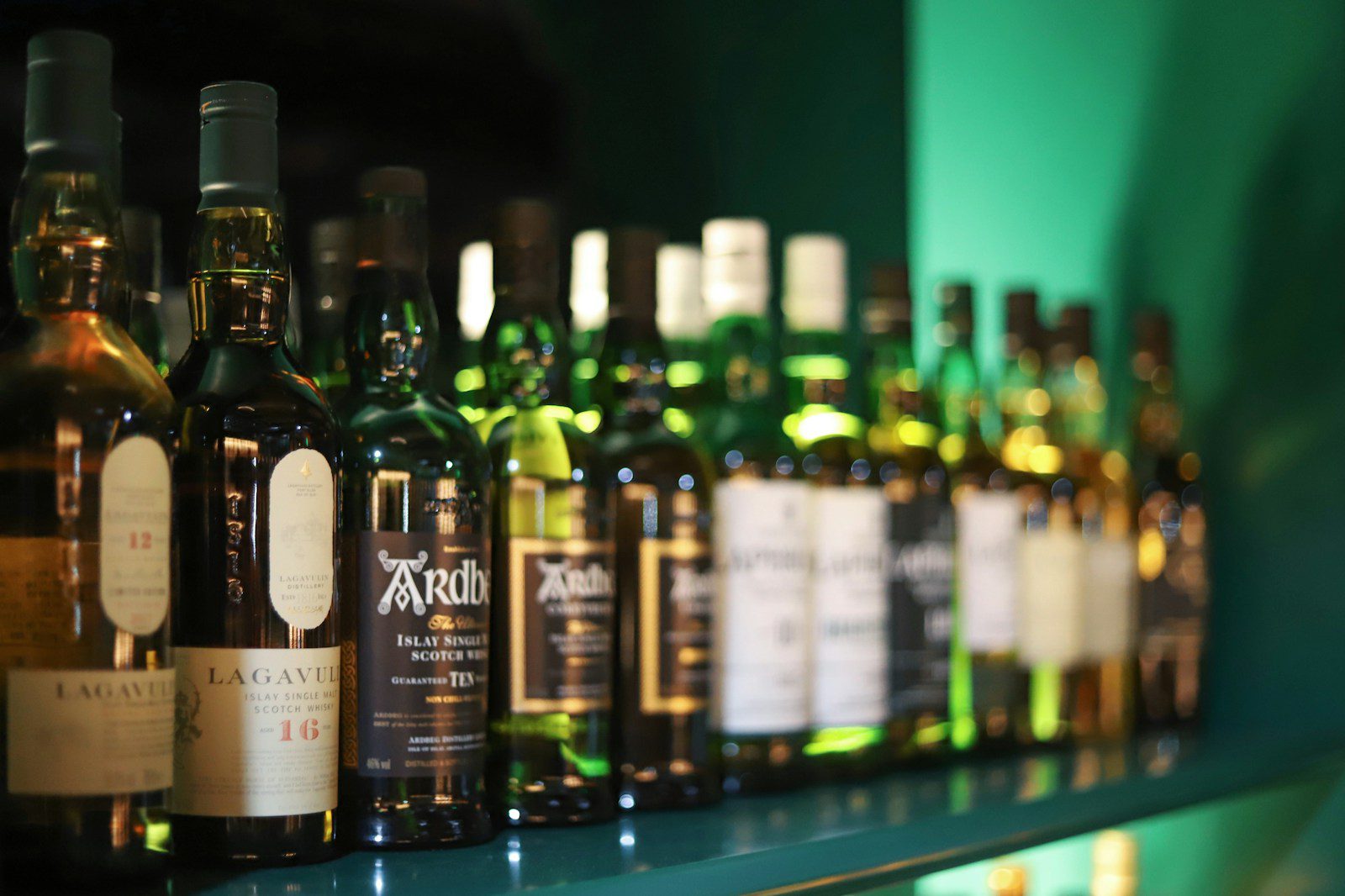
The rivalry between Irish Whiskey vs Scotch is the oldest in the spirits world. In fact, both countries claim they invented the stuff.
To a beginner, they might look the same. They are both made from grain, aged in oak, and produced in cool, damp climates.
However, the taste is radically different.
Scotch is often associated with “Character”—it can be heavy, oily, floral, or aggressively smoky. Irish Whiskey is associated with “Smoothness”—it is light, fruity, and incredibly easy to drink.
Why? It comes down to one major number: 3 vs 2.
In this guide, we are going to break down the science, the stills, and the spelling differences of Irish Whiskey vs Scotch so you know exactly which bottle to buy.
Table of Contents
Click below to jump to a section:
1. The Golden Rule: Triple vs Double Distillation
This is the single biggest technical difference in the Irish Whiskey vs Scotch debate.
Scotch (Double Distilled)
Most Scotch is distilled twice in copper pot stills.
The Effect: Two distillations leave behind more “congeners” (flavor compounds and heavy oils). This creates a spirit with weight and texture. It allows the character of the grain and the fermentation to shine through. It is robust.
Irish (Triple Distilled)
Most Irish Whiskey (like Jameson, Redbreast, or Tullamore DEW) is distilled three times.
The Effect: The third distillation strips out almost all the heavy oils and impurities. It raises the alcohol percentage significantly (often to 85%+) before it is watered down for the barrel.
This creates a spirit that is incredibly light, fruity, and “smooth.” It removes the “burn” that many beginners dislike.
Want to understand the stills?
Read our guide on Pot Still vs Column Still physics.
2. The Ingredients: Malt vs Pot Still
Everyone knows Single Malt Scotch. But Ireland has a secret weapon called Single Pot Still Whiskey.
Scotch Single Malt
Must be made from 100% Malted Barley. Malting (sprouting the grain) creates a biscuity, cereal-like flavor.
Irish Pot Still
Irish distillers use a mix of Malted Barley AND Unmalted (Green) Barley.
This dates back to a tax avoidance scheme in the 1800s (the government taxed malted barley, so the Irish just stopped malting half of it!).
The Flavor Result: Unmalted barley adds a distinct “spicy” or “creamy” texture. It gives Irish whiskey a mouthfeel that is often described as oily or like linseed, which balances the lightness of the triple distillation.
Want to try the best of Ireland?
Check out our list of the 5 Best Irish Whiskeys here.
3. The Smoke Factor: Peat vs Hot Air
If you take a sip and it tastes like a campfire, you are almost certainly drinking Scotch.
Scotch (Peat)
In Scotland (especially on islands like Islay), distillers dry their damp barley by burning Peat. The smoke infuses the grain with phenols.
This gives Scotch its signature smoky, medicinal, or earthy notes (e.g., Laphroaig or Lagavulin).
Irish (Coal/Gas)
In Ireland, distillers traditionally dry their barley in closed kilns using hot air or smokeless coal. The smoke never touches the grain.
This means the natural fruitiness of the barley is preserved. Irish whiskey tastes like apples, pears, vanilla, and cream—never like ash.
The Exception:
There is one famous peated Irish whiskey called Connemara. It is double distilled and peated, so it tastes exactly like a Scotch!
Why do people drink smoke?
Read our Ultimate Guide to Peated Whisky here.
4. The Spelling: That Pesky ‘E’
This is the easiest way to tell them apart on the shelf.
- Scotland: Whisky (No E).
- Ireland: Whiskey (With an E).
This split happened in the late 1800s. The Irish distillers wanted to differentiate their high-quality “Triple Distilled” spirit from the (at the time) lower-quality blends coming out of Scotland. They added the “E” as a mark of quality, and the United States followed suit.
Today, the quality is equal, but the spelling remains.
Want the full history?
Read our article on Whisky vs Whiskey: The Simple Guide.
5. Famous Examples (Taste Test)
To truly understand Irish Whiskey vs Scotch, you need to taste them side-by-side.
The Irish Champions
- Jameson: The ultimate blend. Light, floral, and grassy.
- Redbreast 12: The “Single Pot Still” king. Creamy, spicy, and full of Christmas cake flavor.
- Green Spot: Fresh green apples and barley.
The Scotch Champions
- Glenfiddich 12: The Speyside classic. Pear, oak, and malt. Heavier than Jameson.
- Lagavulin 16: The Islay beast. Smoke, salt, and seaweed. Nothing like Irish whiskey.
- Macallan 12: Rich sherry and wood spice.
6. Summary: Which is Better?
There is no “better” in the Irish Whiskey vs Scotch battle, only preference.
Drink Irish Whiskey If:
– You want something smooth and easy to sip.
– You dislike smokiness or “burn.”
– You want a versatile spirit for cocktails.
Drink Scotch If:
– You want character and variety.
– You enjoy complex notes like smoke, brine, or heavy oak.
– You want to explore different regions and terroir.
The best approach? Keep a bottle of Redbreast (Irish) and a bottle of Highland Park (Scotch) on your bar. That way, you are ready for any guest.
Need to stock your bar?
Start with our guide to the 5 Best Single Malts for Beginners.
Become a Certified Expert
Take your knowledge from “hobbyist” to “connoisseur.” Join our Virtual Whiskey Tasting VIP program and get guided lessons, rare bottle alerts, and tasting notes sent straight to your inbox.