

Whisky Age Statements: Do They Really Define Quality?
Sip & Learn: Volume 65
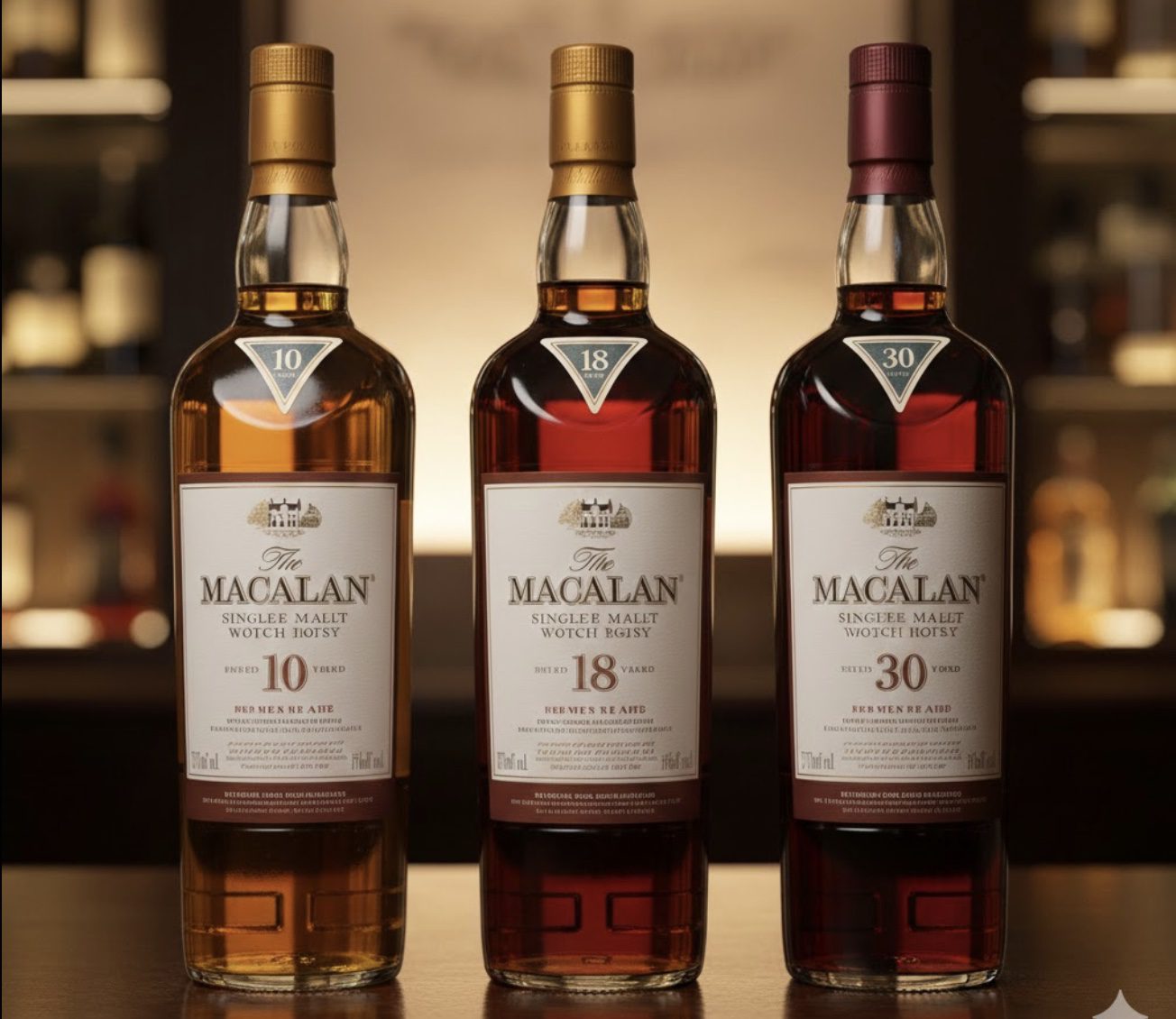
Whisky age statements have long been viewed as the primary indicator of a bottle’s prestige, value, and flavour profile. For decades, the numerical value prominently displayed on a label was the shorthand that consumers used to judge the maturity and quality of the liquid inside. However, in the 2026 market, the relationship between whisky age statements and actual sensory excellence has become increasingly complex as distilleries move toward innovative blending and non-age statement (NAS) releases.
Understanding whisky age statements is essential because they are governed by strict legal frameworks. In Scotland, for example, the age declared must represent the age of the youngest spirit used in the vatting. This means a “12-year-old” bottle could contain 40-year-old whiskies, but it cannot legally mention them as the primary age. This guide explores the science of maturation, the legalities of labelling, and whether those high numbers on the bottle are truly worth the premium price tag.
Table of Contents
Master the truth behind whisky age statements:
1. The Law: What the Number Actually Means
Legal whisky age statements are designed to protect the consumer from misleading marketing. In the world of Scotch, the law is absolute: the age stated on the label must be the age of the youngest whisky in the bottle. If a master blender vats 100 casks of 18-year-old spirit and adds just one teaspoon of 3-year-old spirit, that bottle must be labelled as a 3-year-old.
This strictness ensures that whisky age statements remain a trustworthy metric of minimum maturation time. However, it also means that many “entry-level” age statements actually contain significantly older liquid that the blender has used to add depth and complexity without being allowed to advertise it on the front of the pack.
2. The Angel’s Share: Why Age is Expensive
The premium associated with high whisky age statements isn’t just about marketing; it is a reflection of the “Angel’s Share.” In Scotland, roughly 2% of the liquid in a cask evaporates every year. Over 25 or 30 years, a significant portion of the original spirit is lost to the atmosphere.
Furthermore, the cost of storage, insurance, and the “locked-away” capital makes older whiskies a massive financial undertaking for distilleries. When you pay for high whisky age statements, you are paying for the rarity of the remaining liquid and the decades of careful management required to keep that cask from becoming over-oaked or spoiled.
3. The NAS Revolution: Flavour over Numbers
In recent years, “Non-Age Statement” (NAS) whiskies have flooded the market. Initially met with scepticism, these bottles allow blenders more freedom. Without being restricted by whisky age statements, a blender can focus entirely on a specific flavour profile by mixing very young, vibrant whiskies with older, more tannic stocks.
While some NAS releases are seen as a way for distilleries to manage stock shortages, others—like the Ardbeg committee releases or Macallan’s specialised series—have proven that a lack of a number doesn’t preclude a bottle from being a world-class masterpiece.
4. Climate and Maturation: Why 10 Years Isn’t Always 10 Years
One of the most fascinating aspects of whisky age statements is how they vary by geography. In the cold, damp climate of Scotland, maturation is slow and steady. However, in the heat of Kentucky, Taiwan, or India, the interaction between the wood and the spirit is much more aggressive.
An Indian single malt aged for 6 years in Bangalore may have a similar wood influence and chemical maturity as a Scotch aged for 18 years in a Highlands dunnage warehouse. This is why whisky age statements can be deceptive when comparing spirits from different parts of the world; “age” is a measurement of time, but “maturity” is a measurement of flavour.
5. Is Older Always Better? Finding the Peak
There is a common misconception that higher whisky age statements automatically equal a better tasting drink. In reality, every cask has a “peak.” If a whisky stays in the wood for too long, the oak can overpower the distillery character, leaving the liquid tasting bitter, dry, and unpleasantly “woody.”
Many experts agree that the “sweet spot” for many Scotch whiskies lies between 12 and 18 years. Beyond that, you are often paying for rarity and the prestige of the age itself rather than a linear improvement in taste.
Expert Summary
While whisky age statements provide a helpful guide to the minimum maturation of a spirit, they are not a definitive scorecard for quality. Use the age as a reference for the likely style—expecting more vibrancy from younger bottles and more wood-driven spice from older ones—but always let your palate be the final judge.
To learn more about finding the right balance for your shelf, see our guide on How to Start a Whisky Collection.
Become a Certified Expert
Take your knowledge from “hobbyist” to “connoisseur.” Join our Virtual Whisky Tasting VIP program and get guided lessons, rare bottle alerts, and tasting notes sent straight to your inbox.