

Water in Whisky: Should You Dilute Your Dram?
Sip & Learn: Volume 62
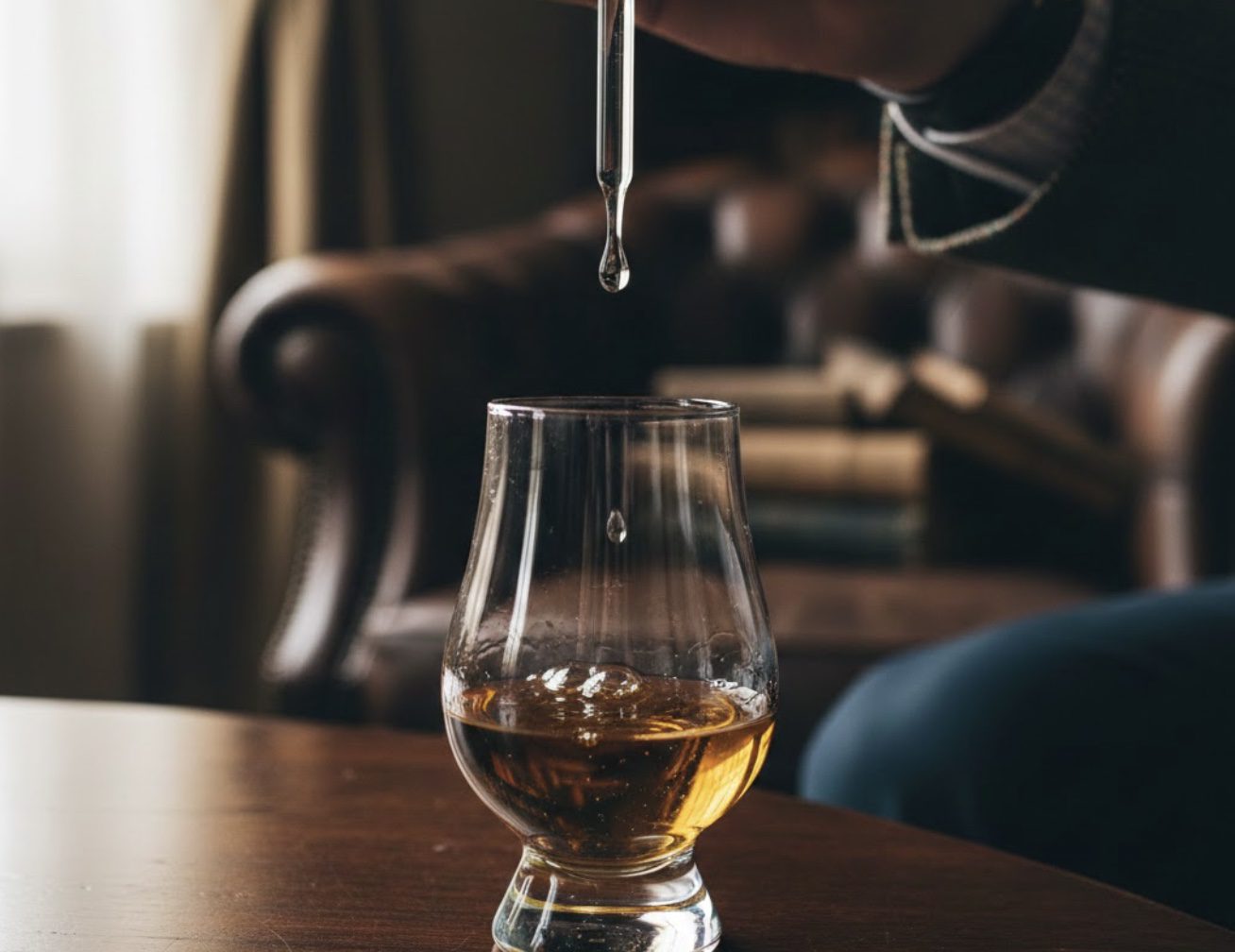
The debate over adding water in whisky is one of the most enduring conversations in the world of spirits. Purists often argue that the liquid should be enjoyed exactly as the distiller intended, while master blenders frequently dilute their samples to as low as 20% ABV to uncover hidden flaws or secondary aromas. In 2026, as cask-strength releases become more common in high-end collections, understanding the chemistry behind dilution has become a vital skill for the modern enthusiast.
Adding water in whisky is not about watering down the experience; it is about molecular liberation. High-alcohol spirits can often “lock in” certain aromatic compounds, while the ethanol itself can desensitise the palate. By introducing a controlled amount of water, you trigger a chemical reaction that can fundamentally alter the flavour profile and mouthfeel of your dram. This guide explores the science, the etiquette, and the professional techniques for using water to enhance your whisky journey.
Table of Contents
Master the science of water in whisky:
1. The Guaiacol Effect: Why Water Releases Flavour
The primary scientific reason for adding water in whisky involves a molecule called guaiacol. This compound is responsible for much of the smoky, peaty aroma found in Scotch. In high concentrations of alcohol, guaiacol tends to stay submerged in the liquid. However, when you introduce water, the guaiacol molecules are pushed to the surface where they can easily evaporate and reach your olfactory receptors.
This is often referred to as “opening up” the whisky. It isn’t just restricted to smoky whiskies; the introduction of water in whisky can break the surface tension of the spirit, allowing delicate floral and fruity esters that were previously suppressed by the ethanol to become prominent. This is why a dram can smell entirely different after just a single drop of water.
2. Taming the Burn: High ABV and Palate Fatigue
Many premium whiskies in 2026 are bottled at “Cask Strength,” which can range from 55% to over 60% ABV. For many drinkers, this level of alcohol produces a significant “burn” on the tongue, which is actually the ethanol anaesthetising your taste buds. By strategically adding water in whisky, you reduce the alcoholic heat, allowing your palate to perceive the sweetness, spice, and texture without the distraction of physical irritation.
3. The Pipette Method: Controlled Dilution
When experimenting with water in whisky, the goal is precision. Pouring water directly from a jug or a glass is often too aggressive and can easily drown the spirit. Professional tasters use a glass pipette or a small dropper to add water literally one drop at a time.
The process should be iterative: sip the whisky neat first to understand the “undiluted” character, then add a single drop, swirl, and nose again. Repeat this until you find the “sweet spot” where the aromas are most vibrant and the palate is most balanced. This methodical approach ensures you never over-dilute a rare or expensive bottle.
4. The Type of Water Matters: Soft vs. Hard
Not all water is created equal. When adding water in whisky, avoid tap water if possible, as the chlorine and mineral content can negatively impact the delicate flavours of the spirit. Distilled water is a safe choice as it is neutral, but many connoisseurs prefer soft, room-temperature spring water. Ideally, using water from the same region as the distillery can provide a traditional experience, as the local water source used in production often shares a similar mineral profile.
5. When NOT to Add Water
While water in whisky is a powerful tool, it is not always necessary. Whiskies bottled at the standard 40% or 43% ABV have already been diluted by the distillery to what they consider the optimal drinking strength. Adding further water to these can make the spirit feel thin or watery very quickly. Always trust your own palate—if you enjoy the intensity of a neat pour, there is no obligation to change it.
Final Thoughts
Mastering the use of water in whisky is an essential part of the tasting ritual. It is a bridge between the raw power of the still and the subtle artistry of the cask. By experimenting drop by drop, you gain a deeper appreciation for the liquid’s complexity and ensure every dram is tailored to your specific preference.
Ready to put this into practice? Check out our Whisky Tasting Masterclass for more professional tips.
Become a Certified Expert
Take your knowledge from “hobbyist” to “connoisseur.” Join our Virtual Whisky Tasting VIP program and get guided lessons, rare bottle alerts, and tasting notes sent straight to your inbox.