

Cheap vs Expensive Whisky: What Are You Actually Paying For? (2026)
Sip & Learn: Volume 54
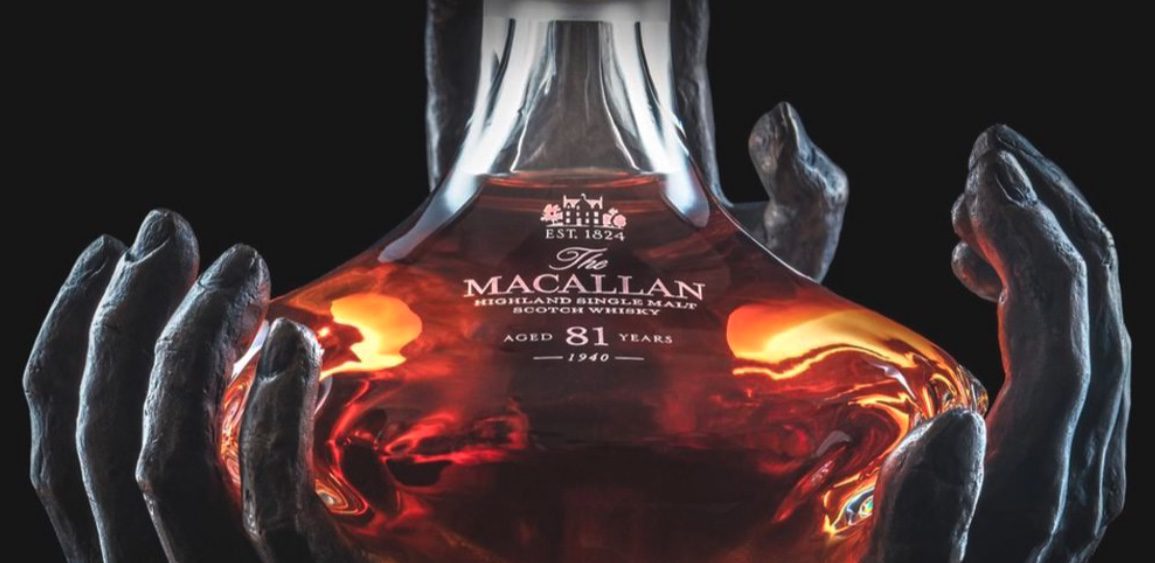
It is the question that haunts every trip to the spirits aisle: Cheap vs Expensive Whisky—is there actually a difference?
On one shelf, you have a perfectly serviceable blended Scotch for £25. On the top shelf, behind locked glass, sits a single malt for £250. To the untrained eye, they are both amber liquids in glass bottles.
Does the expensive bottle taste ten times better? Does it have ten times the alcohol? (Spoiler: No).
Understanding the world of whisky pricing is about more than just “getting what you pay for.” It is about understanding the Law of Diminishing Returns. In 2026, with production costs rising and the “luxury” market booming, knowing where to spend your money is a vital skill for any connoisseur.
In this guide, we pull back the curtain on cheap vs expensive whisky to show you exactly where your money goes—from the wood of the cask to the marketing in the boardroom.
Table of Contents
Click below to jump to a category:
1. The Ingredients: What Costs More?
When comparing cheap vs expensive whisky, we must start with the raw materials.
Cheap whiskies are often “Blends.” They combine high-quality malt whisky with “Grain Whisky.” Grain whisky is made in massive column stills that run 24/7, using cheaper grains like corn or wheat. It’s efficient, but it lacks the oily, heavy texture of malt.
Expensive whiskies are usually “Single Malts.” They are made from 100% malted barley in copper pot stills. This process is slower, produces less spirit, and requires more manual labour.
2. The Angel’s Share: The Cost of Time
In the world of whisky, time is literally money.
Every year a whisky sits in a warehouse in Scotland, about 2% of the liquid evaporates. This is called the Angel’s Share.
- A 3-year-old whisky: Almost all the original liquid remains in the cask.
- A 25-year-old whisky: Nearly 40-50% of the liquid has vanished into thin air.
The distillery has to charge you for the liquid that isn’t there anymore. That is a major reason for the price hike in older bottles.
3. Cask Quality: Bourbon vs Sherry Wood
Up to 70% of a whisky’s flavour comes from the wood.
Cheap whiskies often use “Refill Casks”—barrels that have already been used three or four times. They don’t give much flavour left, so the whisky stays simple.
Expensive whiskies use “First-Fill” Sherry Casks from Spain, which can cost over £1,000 per barrel. Compare that to a standard Bourbon barrel which might cost £100. If the distillery spends more on the wood, you will see that reflected in the retail price.
Expert Insight:
Look for “Natural Colour” on the label. Cheap whiskies often use E150a caramel colouring to look older than they are. Expensive whisky relies on the wood for its hue.
Want to see the difference wood makes?
Read our guide on Cask Types here.
4. The “Sweet Spot”: Finding Maximum Value
If you want the best “bang for your buck,” you need to find the Sweet Spot.
Between £45 and £80, you are usually paying for the quality of the liquid. Once you cross the £150 threshold, you are often paying for Rarity and Packaging.
A £60 bottle is almost certainly better than a £20 bottle. However, a £600 bottle is rarely ten times “better” than the £60 one—it’s just harder to find.
5. Marketing & Rarity: The Hype Factor
Sometimes, expensive whisky is expensive simply because people will pay for it.
Luxury brands invest millions in heavy glass bottles, leather boxes, and celebrity endorsements. This doesn’t make the whisky taste better, but it does make it a better “status symbol.”
Budget Hero Picks:
Arran 10 or Old Pulteney 12. Both punch way above their price tag and offer “expensive” flavours for “cheap” prices.
6. Summary: When to Splurge
In the battle of cheap vs expensive whisky, the winner depends on your glass.
- Mixing with Cola? Buy the cheap bottle. The sugar will drown out any nuances anyway.
- Making a Cocktail? Buy mid-range. You need strength, not age.
- Sipping Neat? This is where it pays to spend an extra £20 to get a quality single malt.
Don’t buy the hype—buy the liquid.
Ready to start your own curated shelf?
Check out our 5-Bottle Rule for starting a collection.
Don’t Overpay for Average Whisky
Join our VIP Tasting Program and learn how to spot undervalued bottles before the prices skyrocket. Get expert reviews and “Best Buy” alerts delivered weekly.