

What is the Angels’ Share? The Science of Evaporation (2026)
Sip & Learn: Volume 50
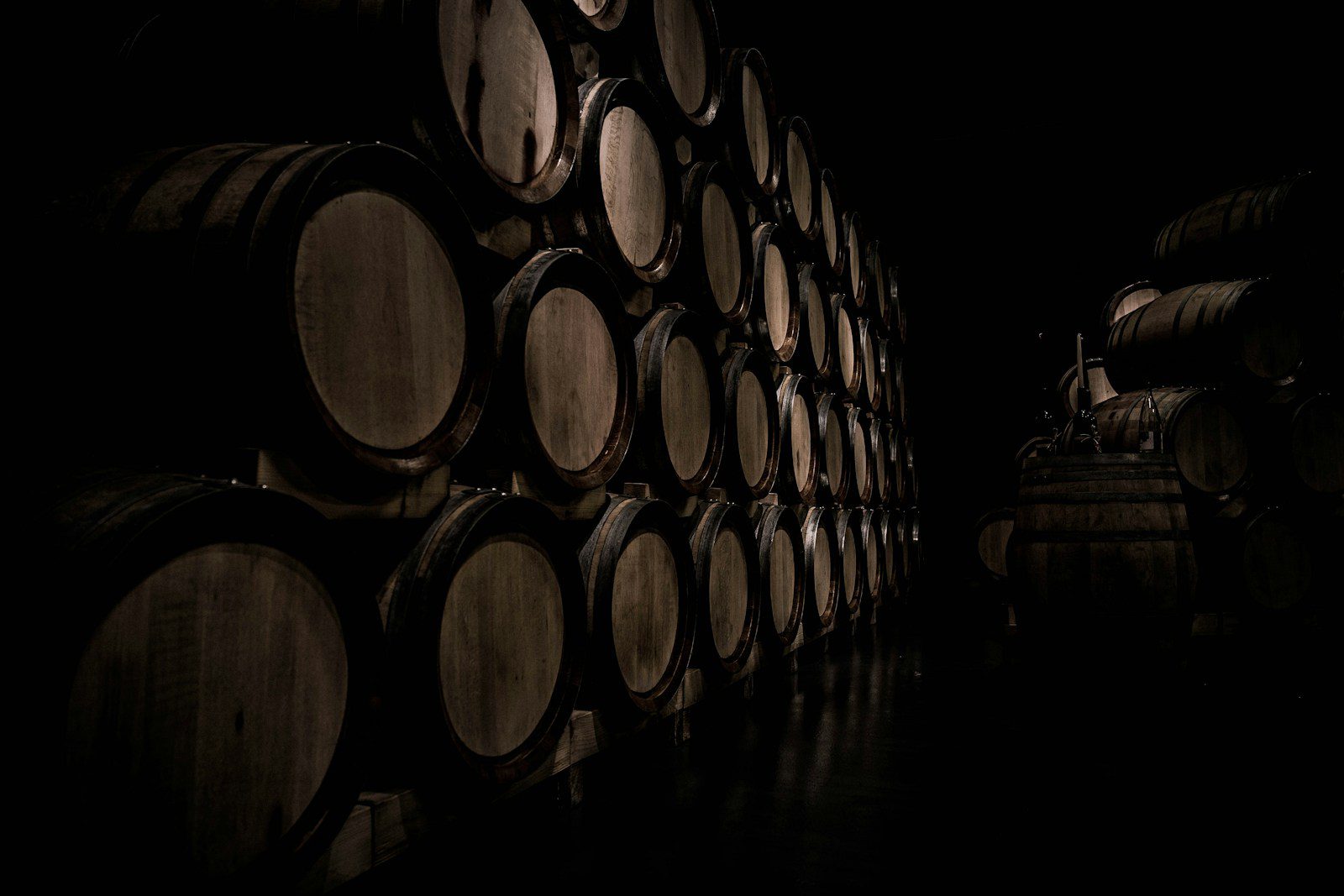
If you visit a whisky warehouse in Scotland, the first thing you notice is the smell.
The air is thick, sweet, and heavy with alcohol. It smells like fruitcake and oak.
That smell is money evaporating into thin air.
In the industry, this phenomenon is poetically called The Angels’ Share whisky. It refers to the liquid that evaporates through the porous oak of the barrel during maturation.
While the name sounds romantic, the reality is a brutal economic math problem. It is the primary reason why a 50-year-old bottle of Scotch costs as much as a car.
In this guide, we are going to break down the physics of evaporation, why climate changes the flavor, and why the Angels take more from Kentucky than they do from Scotland.
Table of Contents
Click below to jump to a section:
1. The Physics: Why Does Whisky Evaporate?
Oak is watertight, but it is not airtight.
Wood is a porous material. It breathes. As the temperature in the warehouse rises, the liquid inside the barrel expands and pushes into the wood. As the temperature drops, the liquid contracts and pulls back out.
During this “breathing” process, vapors escape through the microscopic pores of the wood.
This process is essential. It allows oxygen to enter the barrel, which mellows the harsh alcohol and creates complex fruity esters. Without evaporation, Angels Share whisky would just taste like raw moonshine.
However, the price of this maturation is volume. The liquid literally vanishes.
2. The Cost: How Much is Actually Lost?
In Scotland, the average loss is about 2% per year.
That doesn’t sound like much, but it compounds over time.
The Math of Maturation:
- Year 1: You fill a 500-liter cask.
- Year 10: You have lost about 18% of the liquid.
- Year 25: You have lost nearly 40% to 50% of the liquid.
- Year 50: You might only have a few dozen bottles left in the entire barrel.
This is why old whisky is an investment. You aren’t just paying for the time; you are paying for the fact that half the product disappeared before it could be bottled.
Thinking of buying a cask? You need to calculate this loss.
Read our Whisky Investment Guide to understand the risks.
3. Climate Wars: Scotland vs. Kentucky
The Angels Share whisky phenomenon works differently depending on where the warehouse is located.
Scotland (Cool & Damp)
Scotland is humid. Because the air is full of moisture, water evaporates from the cask slower than the alcohol does.
Result: The Alcohol by Volume (ABV) drops over time. A cask filled at 63.5% might drop to 45% after 30 years.
Kentucky (Hot & Dry)
Kentucky summers are scorching hot. In the upper floors of a warehouse (“Rickhouse”), it is dry.
Water molecules are smaller than alcohol molecules. In the heat, water evaporates faster than alcohol.
Result: The ABV rises over time. A Bourbon barrel filled at 62% might come out at 70% (Hazmat strength) after 10 years.
This is why old Bourbon is often incredibly high proof and intense, while old Scotch is often mellow and soft.
Want to taste the difference?
Read our Bourbon vs Scotch guide here.
4. The “Devil’s Cut”: The Other Loss
If the Angels take the vapors that go up, who takes the liquid that stays in the wood?
This is called the Devil’s Cut.
When you empty a barrel, you can never get 100% of the liquid out. Gallons of whisky remain trapped inside the oak staves, soaked into the wood itself.
Jim Beam famously created a process to extract this liquid by injecting water into the wood, releasing the intense, woody spirit trapped inside.
Between the Angels taking the vapor and the Devil taking the wood-soaked liquid, the distiller loses a massive amount of product.
5. Warehouse Architecture: Dunnage vs. Racked
Distillers try to control the Angels Share whisky loss by changing how they store the barrels.
The Dunnage Warehouse (Traditional)
These are old stone buildings with dirt floors and low roofs. Casks are stacked only three high.
Effect: The dirt floor keeps humidity high. The thick stone walls keep the temperature cool. This minimizes evaporation and creates a slow, steady maturation. This is preferred for long-aged Single Malts.
The Racked Warehouse (Modern)
These are giant metal clad buildings with shelves stacking casks 10 or 20 high.
Effect: The temperature difference between the floor (cool) and the ceiling (hot) is massive. Distillers can rotate barrels to speed up or slow down aging. This is common in Bourbon production to maximize flavor extraction quickly.
Understanding strength matters.
Check out our guide to Cask Strength Whisky.
6. Summary: Paying for Scarcity
The next time you see a high price tag on an older bottle, remember the Angels Share whisky tax.
You are not just paying for the liquid in the bottle. You are paying for the 40% of the liquid that vanished into the Scottish (or Kentucky) air to make that flavor possible.
It is the price of perfection.
Become a Certified Expert
Take your knowledge from “hobbyist” to “connoisseur.” Join our Virtual Whiskey Tasting VIP program and get guided lessons, rare bottle alerts, and tasting notes sent straight to your inbox.