

Pot Still vs. Column Still: The Science of Distillation (2026)
Sip & Learn: Volume 47
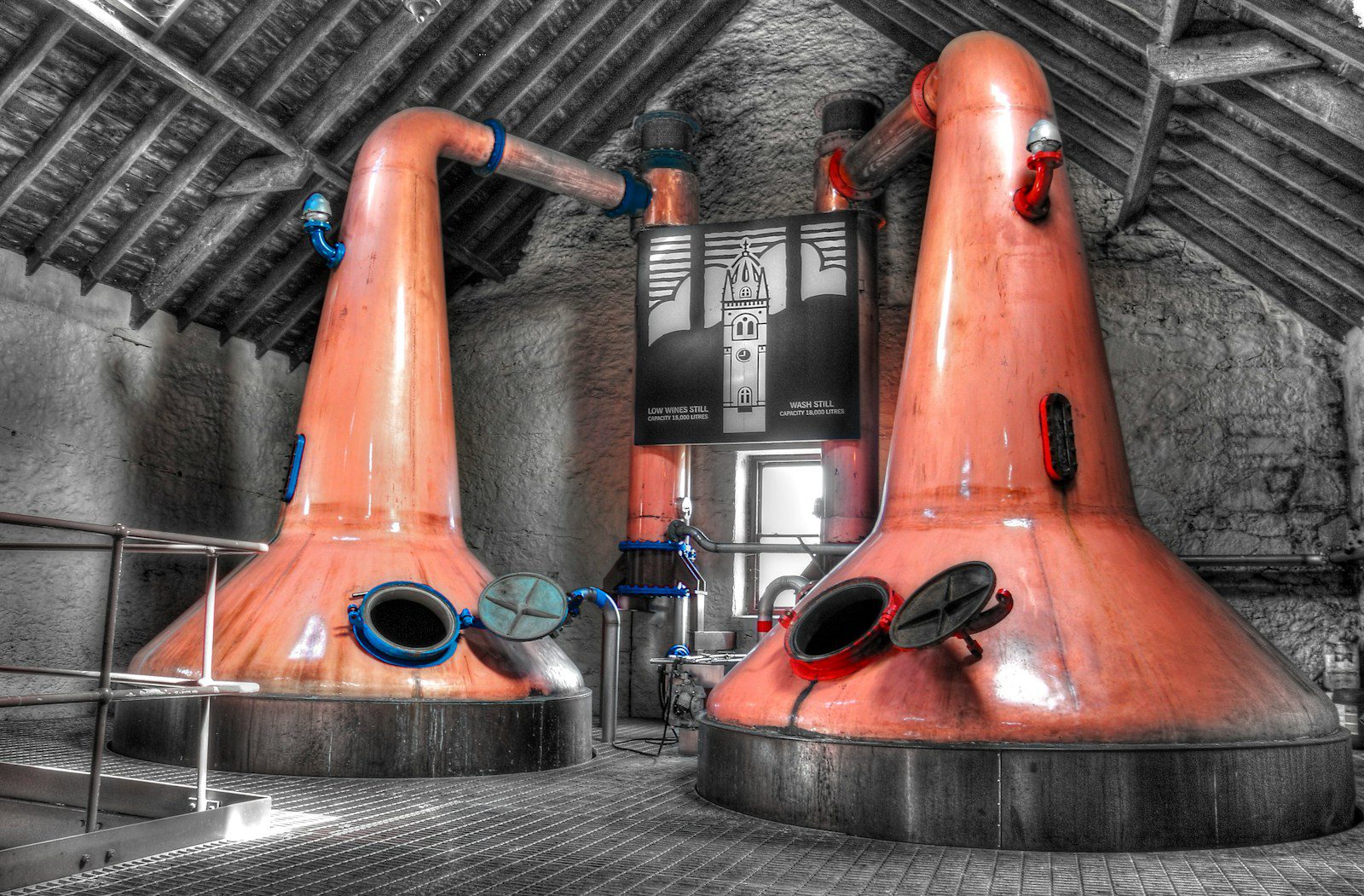
The shape of the still determines the soul of the whisky.
When you visit a distillery, the tour guide will proudly point to the giant copper kettles or the towering industrial columns. To the uninitiated, these just look like plumbing.
But to a Master Distiller, the difference between Pot Still vs Column Still distillation is the difference between painting with oil or painting with watercolors.
One method is ancient, inefficient, and creates a rich, oily spirit (Single Malt). The other is modern, hyper-efficient, and creates a light, pure spirit (Bourbon and Grain).
In this guide, we are going deep into the thermodynamics of distillation. We will explain exactly how the shape of the copper changes the liquid in your glass.
Table of Contents
Click below to jump to a section:
1. The Basics: What is Distillation?
Before we compare Pot Still vs Column Still, we need to define what they are actually doing.
Distillation is the process of separating alcohol from water using heat.
- Water boils at: 100°C (212°F).
- Ethanol (Alcohol) boils at: 78°C (173°F).
Because alcohol boils at a lower temperature, it turns into steam first.
If you heat a beer (the “Wash”), the alcohol vapors rise up the neck of the still, travel down a cooling pipe (the condenser), and turn back into liquid. This new liquid is concentrated alcohol.
The way you heat it and collect it changes everything.
Need a refresher on the basics?
Read our step-by-step guide on How Whisky is Made first.
2. The Pot Still: The Batch Process
The Pot Still is the ancient way. It looks like a giant copper onion or a swan. It is used to make Single Malt Scotch and Single Pot Still Irish Whiskey.
How it Works (Batch Distillation)
A Pot Still is like a kettle. You fill it up, boil it, and when the alcohol is gone, you have to stop, clean it out, and start again. This is called “Batch Distillation.”
It is incredibly inefficient. However, because it is inefficient, it leaves behind a lot of impurities.
In whisky terms, “Impurities” = “Flavor.”
Pot stills typically concentrate the alcohol to about 70% ABV. The remaining 30% is water and “Congeners” (flavor compounds like esters, oils, and phenols).
The Pot Still Profile:
Rich, oily, heavy, and full of character. It creates a spirit with a thick mouthfeel. This is why Single Malts are so prized.
Love rich flavor?
Check out the Best Single Malt Whiskies (all made in Pot Stills).
3. The Column Still: The Continuous Process
The Column Still (also called the Coffey Still or Patent Still) was invented in the 1830s. It changed the world.
It looks like a tall industrial skyscraper made of steel or copper. It is used to make Bourbon, Grain Whisky, and Vodka.
How it Works (Continuous Distillation)
The Column Still never stops. Cold “beer” is pumped in at the top, and steam is pumped in at the bottom.
As the liquid falls down through a series of plates, the steam strips the alcohol out of it. The alcohol vapor rises to the top and is collected continuously, 24 hours a day, 7 days a week.
It is hyper-efficient. It can distill alcohol up to 95% ABV.
The Column Still Profile:
Light, clean, and delicate. Because the ABV is so high, most of the heavy oils and congeners are stripped out. It is less oily than Pot Still whisky, but much “cleaner.”
Bourbon uses this method.
Read our Bourbon vs Scotch guide to see how the stills affect the final taste.
4. Flavor Impact: Heavy vs. Light
The main difference in the Pot Still vs Column Still battle is texture (Mouthfeel).
Pot Still Texture
Think of Pot Still spirit like fresh-pressed orange juice with the pulp. It has weight. It coats your tongue.
Because it is distilled to a lower proof (70%), it retains the heavy fusel oils from the barley. This is why Single Malts can taste like leather, tobacco, or earth.
Column Still Texture
Think of Column Still spirit like filtered water. It is crisp and sharp.
Because it is distilled to a high proof (up to 95% for grain whisky, usually lower for Bourbon), it loses those heavy oils. This makes it the perfect canvas for the barrel. Bourbon gets almost all of its flavor from the oak because the spirit itself is so clean.
Want to understand blends? Blends mix both Pot and Column spirits.
Learn about Single Malt vs Blended Whisky here.
5. The Science of Copper Contact (Reflux)
There is one final secret: Reflux.
When alcohol vapor rises inside a still, it hits the copper walls. The copper is cooler than the steam, so some of the vapor turns back into liquid and falls back down into the pot. This is called “Reflux.”
Why Copper Matters:
Copper is chemically active. It reacts with Sulphur (a nasty compound created during fermentation that smells like rotten eggs). The copper strips the sulphur out of the spirit.
Tall Stills vs. Short Stills:
– Tall Pot Stills (e.g., Glenmorangie): Create lots of reflux. Only the lightest, purest vapors reach the top. Result: A floral, elegant whisky.
– Short/Fat Pot Stills (e.g., Macallan): Create little reflux. Heavy, oily vapors boil over the top. Result: A thick, meaty whisky.
6. Summary: Which Still Wins?
So, is Pot Still vs Column Still a case of “Good vs Bad”? No.
They are simply different tools for different jobs.
- Pot Stills create Character. They make whisky that tastes like the raw ingredients (barley, peat, yeast). They are used for Single Malts and Pot Still Irish Whiskey.
- Column Stills create Efficiency and Sweetness. They make spirit that is clean enough to soak up massive amounts of oak flavor (Bourbon) or smooth enough to blend with heavy malts (Grain Whisky).
The best way to understand the difference? Pour a glass of Glenfiddich (Pot Still) next to a glass of Buffalo Trace (Column Still). The difference in texture will be unmistakable.
Become a Certified Expert
Take your knowledge from “hobbyist” to “connoisseur.” Join our Virtual Whiskey Tasting VIP program and get guided lessons, rare bottle alerts, and tasting notes sent straight to your inbox.