
What is Bottled-in-Bond? The Gold Standard of American Whiskey (2026)
Sip & Learn: Volume 43
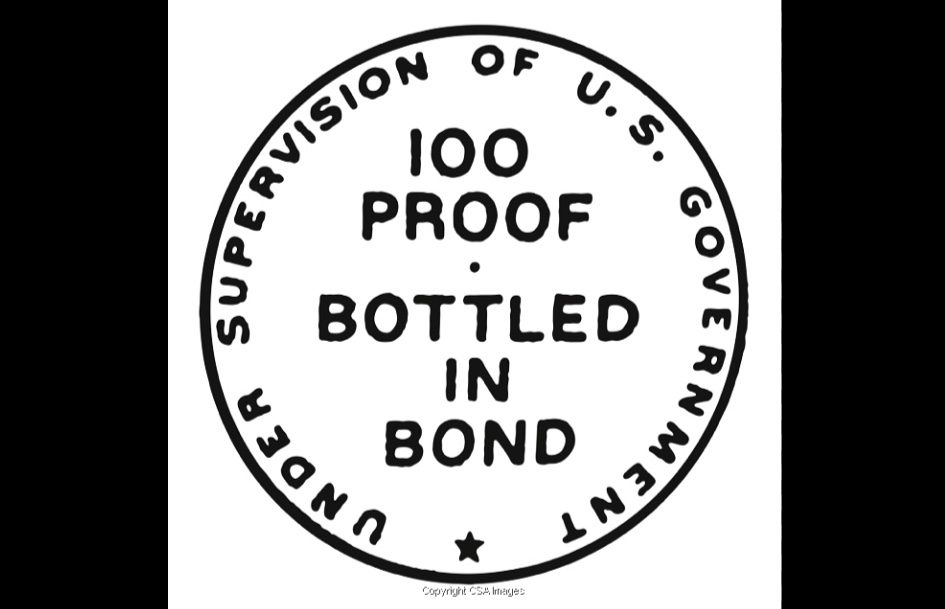
If you look closely at the labels of some of the most respected American whiskies, you will see a phrase: “Bottled-in-Bond.”
You might assume this is just marketing fluff, like “Small Batch” or “Handcrafted.”
You would be wrong.
What is Bottled in Bond? It is the strictest quality standard in the spirits world. It is a government-backed guarantee of age, purity, and authenticity.
For whiskey nerds, the phrase “Bottled-in-Bond” (or BiB) is a signal that the bottle is high quality, high proof, and likely underpriced.
In this guide, we are going to explain the history, the legal requirements, and why you should always look for the “Green Stamp” when buying bourbon.
Table of Contents
Click below to jump to a section:
1. The History: Why was the Law Created?
To understand what is Bottled in Bond, we have to travel back to the 1890s.
The American whiskey market was the Wild West. It was full of “Rectifiers”—merchants who bought cheap neutral spirits and added tobacco juice, iodine, and burnt sugar to make it look like aged bourbon.
It wasn’t just fake; it was dangerous. People were getting sick.
A group of honest distillers, led by Colonel E.H. Taylor Jr. (whose name is now on a famous bottle), lobbied the government for protection.
The result was the Bottled-in-Bond Act of 1897.
This was essentially the very first consumer protection law in the United States, predating the Food and Drug Act. It guaranteed that what was in the bottle was actually whiskey, made by a real distiller.
2. The 4 Golden Rules of Bottled-in-Bond
For a whiskey to carry the label “Bottled-in-Bond,” it must follow four strict legal requirements. If it fails even one, it cannot use the name.
- Single Distiller / Single Season: The whiskey must be the product of one distillation season (January–June or July–December) by one distiller at one distillery. You cannot blend vintages.
- Aged at Least 4 Years: It must be aged in a federally bonded warehouse under government supervision for a minimum of four years.
- Bottled at 100 Proof: It must be bottled at exactly 50% ABV (Alcohol by Volume). No more, no less.
- Transparency: The label must identify the distillery where it was distilled and where it was bottled (if different).
This level of transparency is rare. It tells you exactly who made it, when they made it, and ensures it hasn’t been watered down too much.
Confused by “Proof”?
Read our guide on Cask Strength vs. Proof here.
3. Why 100 Proof is the “Sweet Spot”
The most important rule of what is Bottled in Bond is the strength: 100 Proof (50% ABV).
Most standard whiskeys (like Jack Daniel’s or Jim Beam White Label) are bottled at 80 Proof (40% ABV). This is the legal minimum. They add a lot of water to stretch the supply and lower the cost.
Bottled-in-Bond whiskey has less water added.
Why 100 Proof Matters:
- Flavor Intensity: Alcohol carries flavor. At 50% ABV, you get a much richer, oilier mouthfeel and deeper notes of caramel and oak.
- Cocktail Perfection: If you make an Old Fashioned with 40% whiskey, the ice melts and the drink becomes watery. If you use 50% BiB whiskey, it stands up to the ice. It stays bold.
Want to make the perfect drink? BiB is the secret ingredient.
Check out our Old Fashioned Recipe here.
4. BiB vs. Cask Strength: The Difference
Beginners often confuse Bottled-in-Bond with Cask Strength. They are both high proof, but they are not the same.
Cask Strength means “No water added.” The proof fluctuates. It could be 55%, 62%, or 58%. It is raw and untamed.
Bottled-in-Bond means “Water added to exactly 100 Proof.”
BiB is consistent. You know exactly what you are getting every time. It is generally smoother and easier to drink than a Cask Strength monster, but more flavorful than a standard bottle.
5. Essential Bottles to Try
Now that you know what is Bottled in Bond, which bottles should you buy?
The best part about BiB whiskey is the value. Because these brands have been around for 100 years, they are often surprisingly affordable.
1. Rittenhouse Rye Bottled-in-Bond
The bartender’s favorite. It is spicy, bold, and costs around $30. It makes the best Manhattan in the world.
2. Evan Williams White Label
Do not judge it by the price tag (often under $20). This is a 4-year-old, 100 proof bourbon that beats bottles costing three times as much in blind taste tests.
3. Colonel E.H. Taylor Small Batch
The premium choice. Produced at Buffalo Trace, this is a tribute to the man who started it all. It is hard to find, but worth the hunt.
Prefer a sweeter sip?
Check out our list of the Best Sweet Bourbons here.
6. Summary: The Value Proposition
In a world of expensive marketing and celebrity brands, Bottled-in-Bond is a sanctuary of quality.
When you buy a BiB bottle, you aren’t paying for a fancy story. You are paying for a federally guaranteed standard of age and proof.
If you want the best “Bang for your Buck” in the liquor store in 2026, look for the words Bottled-in-Bond.
Become a Certified Expert
Take your knowledge from “hobbyist” to “connoisseur.” Join our Virtual Whiskey Tasting VIP program and get guided lessons, rare bottle alerts, and tasting notes sent straight to your inbox.