

How to Read a Whisky Label: Decode the Fine Print (2026 Guide)
Sip & Learn: Volume 36
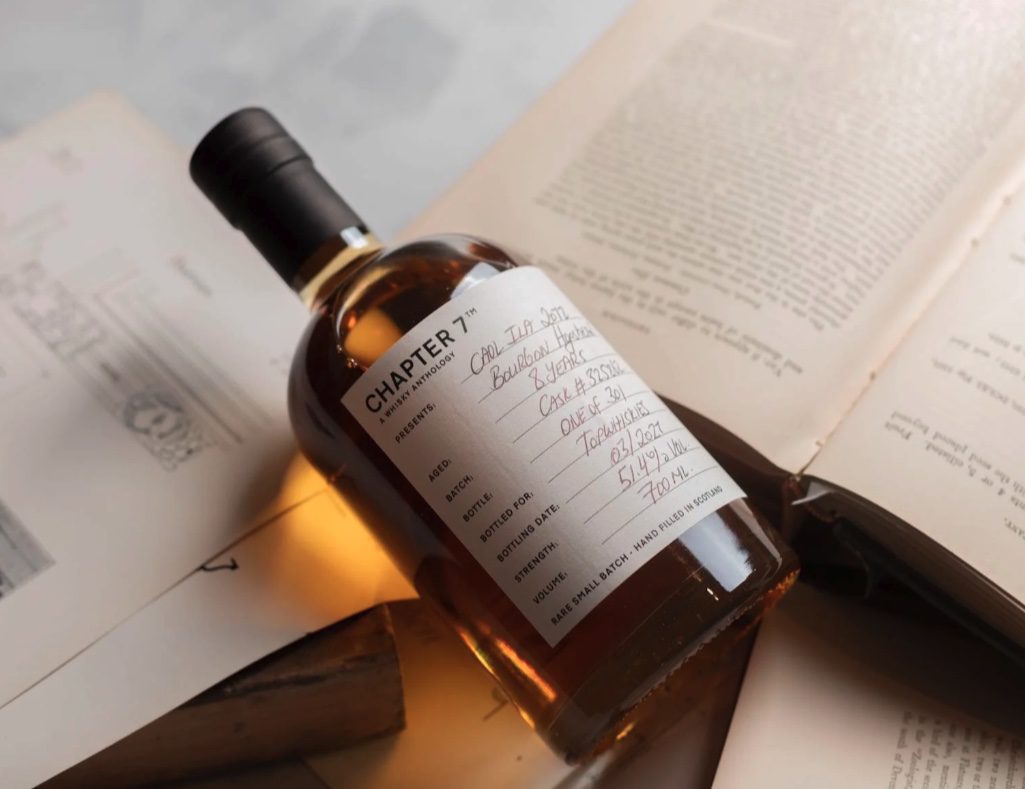
Walking into a specialist whisky shop can feel like walking into a library where all the books are written in a foreign language.
You pick up a bottle. The label is covered in text: “Single Cask,” “Non-Chill Filtered,” “Finished in Oloroso Butts,” “57.1% Vol.”
What does it all mean? And more importantly, does it mean the whisky is actually good?
Learning how to read a whisky label is the most valuable money-saving skill you can learn.
Marketing teams love to use fancy words to hide mediocre spirit. Conversely, some of the best whiskies in the world have terrible graphic design but contain incredible information in the fine print.
In this guide, we are going to decode the jargon. By the end, you will be able to look at any bottle and know exactly what it tastes like before you even open the cork.
Table of Contents
Click below to jump to a section:
1. The Category: Single Malt vs. Blend
The first thing to look for when learning how to read a whisky label is the category. This tells you the ingredients.
“Single Malt Scotch Whisky”
This means 100% malted barley from one single distillery. It is generally more characterful and expensive.
“Blended Scotch Whisky”
This means a mix of Single Malts and Grain Whisky (corn/wheat) from multiple distilleries. It is generally smoother and cheaper.
“Single Grain”
This is rare but growing in popularity. It means whisky made from corn/wheat at one distillery. It is often sweet like Bourbon but light like vodka.
Still confused?
Read our full guide on Single Malt vs Blended Whisky here.
2. The Age: Vintage vs. Age Statement
There are two ways a brand can tell you how old the liquid is.
The Age Statement (The Big Number)
If a bottle says “12 Years Old,” it means the youngest drop of liquid in the bottle is 12 years old. There could be 20-year-old whisky in there, but the label is legally bound by the youngest component.
The Vintage (The Year)
Some bottles (like Glenfarclas or Balblair) might say “Distilled 1990.”
To find the age, you have to do some math. Look for the “Bottled Date” in the small print (e.g., Bottled 2010).
2010 minus 1990 = 20 Years Old.
Does older mean better? Not always.
Check out our guide on Whisky Age Statements to find the truth.
3. The Strength: Why ABV Matters
Look for the number followed by “% Vol” or “ABV” (Alcohol By Volume).
- 40% – 43%: This is the legal minimum. The whisky has been diluted with water to make it drinkable and profitable. It is usually “Chill Filtered.”
- 46% – 48%: This is the “Connoisseur’s Sweet Spot.” At this strength, the oils naturally stay dissolved, so the whisky doesn’t need to be filtered. It will have more texture.
- 50% – 65% (Cask Strength): This is undiluted. It is straight from the barrel. It offers the most flavor but will likely need water added by you.
Why pay more for high proof?
Read our Cask Strength guide to understand the value.
4. The Cask: Wood Type and Finishing
This is where the flavor comes from. The label will often tell you exactly what the liquid was aged in.
- Ex-Bourbon / American Oak: Expect vanilla, coconut, caramel, and citrus.
- Ex-Sherry / European Oak: Expect dried fruits, raisins, chocolate, and spice.
- Double Wood / Triple Cask: A mix of the above.
What is a “Finish”?
If a label says “Port Finish” or “Rum Finish,” it means the whisky spent most of its life in a standard oak barrel, but was moved to a wine or rum barrel for the last 6-12 months.
This adds a layer of complexity on top of the base spirit.
The wood changes everything.
Learn the difference between Sherry and Bourbon casks here.
5. The Quality Seal: NCF and Natural Color
When you are learning how to read a whisky label, look for the fine print at the bottom. You are looking for two specific phrases:
1. Non-Chill Filtered (NCF)
This means the natural oils and fats have not been stripped out. The whisky will have a thicker mouthfeel and might go cloudy with ice.
2. Natural Color
This means no artificial caramel coloring (E150a) was added. The color you see comes 100% from the wood. This is a sign of integrity.
If a bottle does not say these things, you can usually assume it has been filtered and colored.
Why is cloudy good?
Read our deep dive on Chill Filtration here.
6. Summary: Your Label Checklist
Next time you pick up a bottle, run through this mental checklist:
- Category: Is it Single Malt (character) or Blend (smoothness)?
- Age: How long was it in the wood? (Or is it NAS?)
- Strength: Is it 40% (watered down) or 46%+ (full flavor)?
- Cask: Is it Bourbon (Vanilla) or Sherry (Fruit)?
- Fine Print: Is it Non-Chill Filtered?
Once you know how to read a whisky label, you can ignore the marketing fluff and focus on what matters: the liquid inside.
Become a Certified Expert
Take your knowledge from “hobbyist” to “connoisseur.” Join our Virtual Whiskey Tasting VIP program and get guided lessons, rare bottle alerts, and tasting notes sent straight to your inbox.