

How to Taste Whisky Like a Master Blender: The 5-Step Method (2026)
Sip & Learn: Volume 34
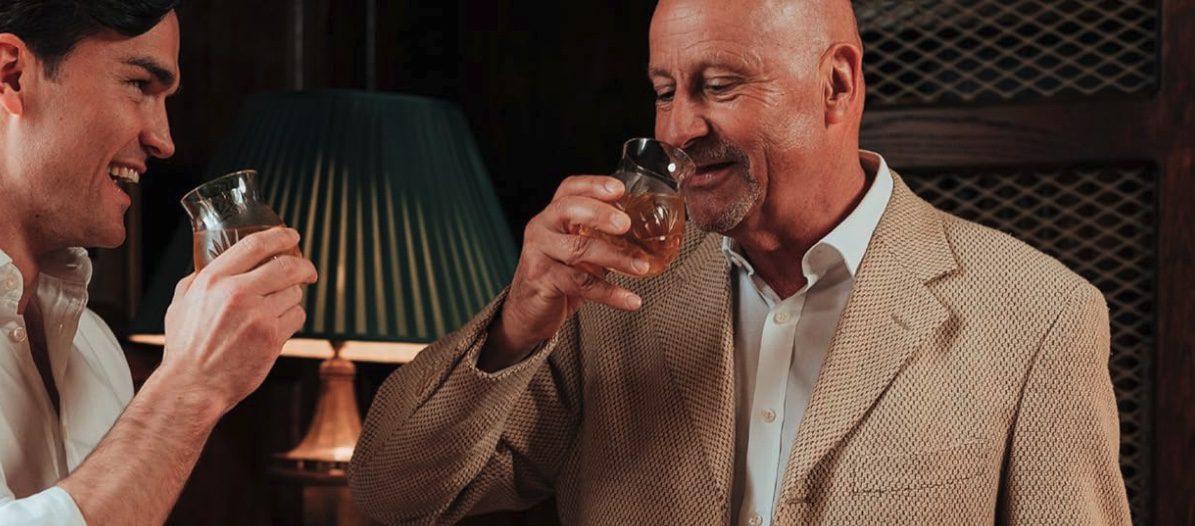
There is a massive difference between drinking and tasting.
Drinking is about consumption. Learning how to taste whisky is about analysis.
Have you ever watched an expert stick their nose in a glass and say, “I’m getting notes of saddle leather, dried figs, and a hint of struck match”?
You might think they are making it up. They aren’t.
They have simply trained their brain to separate the alcohol burn from the flavor compounds hidden underneath.
In this guide, we are going to teach you the professional “5-Step Method” used by Master Blenders in Scotland. By the end of this article, you will know exactly how to taste whisky and uncover flavors you never knew existed.
Table of Contents
Click below to jump to a step:
Step 1: Appearance (The Eye)
Before you even smell the liquid, look at it. Hold the glass up against a white background (like a piece of paper).
1. Check the Color:
The color tells you about the cask.
- Pale Straw/White Wine: Likely aged in Bourbon casks or Refill casks. Expect vanilla, honey, and light fruit.
- Deep Amber/Mahogany: Likely aged in Sherry or Wine casks. Expect dried fruits, spice, and tannin.
Want to decode the color? The wood dictates the hue.
Read our guide on Sherry vs Bourbon Casks here.
2. Check the Viscosity (The Legs):
Swirl the whisky gently in the glass. Watch the liquid run down the sides. These streaks are called “Legs” or “Tears.”
- Thick, Slow Legs: High alcohol or high age. The whisky is oily and viscous. It will likely have a rich mouthfeel.
- Thin, Fast Legs: Lower alcohol or younger spirit. It will likely be lighter and crisper.
Step 2: Nosing (The Nose)
This is the most important part of learning how to taste whisky. Scientists estimate that 80% of flavor comes from your sense of smell.
The “Hello” Technique
Do not stick your nose deep into the glass and inhale hard. The alcohol vapors will burn your nose hairs and temporarily numb your sense of smell.
Instead, treat the whisky like you are meeting a new dog.
- Bring the glass slowly to your chin.
- Let the aromas rise up to you.
- Take short, gentle sniffs with your mouth slightly open. This circulates air and reduces the alcohol burn.
What are you looking for?
Don’t try to find specific things like “Madagascan Vanilla.” Start with big categories:
- Fruit: Is it fresh (apple/pear), citrus (lemon/orange), or dried (raisin/fig)?
- Sweet: Is it honey, caramel, toffee, or chocolate?
- Cereal: Does it smell like toast, malt, or biscuit?
- Smoke: Is there a hint of campfire, ash, or medicine?
Using the right tool? You cannot nose whisky in a tumbler.
Check out our guide on the Best Whisky Glasses here.
Step 3: The Palate (The Mouth)
Now, take a small sip. Do not swallow immediately.
The first sip is just to acclimate your tongue to the alcohol (it’s called the “Primer”). It will likely just taste hot.
The “Kentucky Chew”:
Take a second sip. This time, “chew” the whisky. Swish it around your mouth for 10-15 seconds. Ensure it hits every part of your tongue.
Analyze the Texture (Mouthfeel):
Is it thin and watery? Is it oily and creamy? Does it dry your mouth out (tannic)? The texture tells you a lot about the distillation method.
Retro-Nasal Olfaction:
This is a pro trick. While the whisky is in your mouth, breathe out gently through your nose. This forces the vapors up from the back of your throat into your nasal cavity. You will suddenly taste flavors that weren’t there before.
Step 4: The Finish (The Aftertaste)
Swallow the whisky. Now wait.
The “Finish” is the flavor that lingers after the liquid is gone. This is often where the quality of a whisky reveals itself.
Short Finish: The flavor vanishes instantly. This is common in cheaper, younger whiskies.
Long Finish: The flavor evolves for minutes. You might taste vanilla first, then oak, then spice, and finally a whisper of smoke.
Ask yourself: Did the flavor change? Or did it stay one-dimensional? A complex whisky takes you on a journey.
Step 5: Assessment (The Verdict)
The final step in learning how to taste whisky is to form an opinion.
Write it down. You don’t need a fancy leather journal (though it helps). A note on your phone works fine.
The Memory Game:
Smell is closely linked to memory. Try to connect the flavor to a real-life memory.
- Instead of “Fruity,” say “Stewed Apples.”
- Instead of “Woody,” say “Pencil Shavings.”
- Instead of “Smoky,” say “Beach Bonfire.”
By connecting the scent to a specific memory, you train your brain to recognize it instantly next time.
Want to host a tasting with friends?
Check out our guide on hosting a whisky tasting party here.
Summary: How to Taste Whisky
Learning how to taste whisky is a practice of mindfulness. It forces you to slow down and pay attention to your senses.
Remember, there are no wrong answers. If you taste strawberries and your friend tastes cherries, you are both right. Your brain interprets flavor based on your own life experiences.
The only way to get better is to practice. So pour another dram, take your time, and enjoy the journey.
Become a Certified Expert
Take your knowledge from “hobbyist” to “connoisseur.” Join our Virtual Whiskey Tasting VIP program and get guided lessons, rare bottle alerts, and tasting notes sent straight to your inbox.