

Whisky Age Statements: Does Older Always Mean Better? (2026)
Sip & Learn: Volume 31
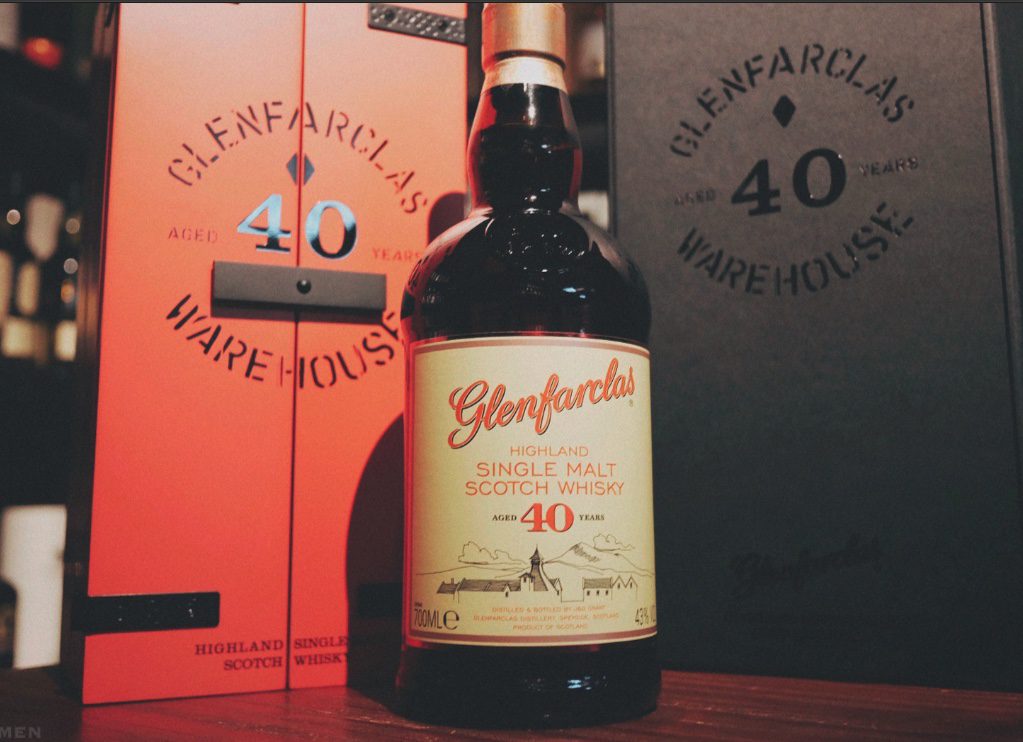
The most common misconception in the spirits world revolves around whisky age statements.
You walk into a shop. You see a 12-year-old Scotch for $50. Next to it, you see an 18-year-old version of the same brand for $150.
The logical part of your brain assumes: “It is older, so it must be better.”
But in 2026, this rule is broken.
While age creates scarcity (which drives up the price), it does not guarantee quality. In fact, some whiskies taste worse if they are left in the barrel too long.
Furthermore, the rise of “NAS” (No Age Statement) bottles has completely changed the landscape of the industry.
In this guide, we are going to decode whisky age statements so you know exactly what you are paying for.
Table of Contents
Click below to jump to a section:
1. The Law: The “Youngest Drop” Rule
Before we discuss flavor, we need to discuss the legal definition of whisky age statements.
Whether it is Scotch, Irish, or Bourbon, the law is the same almost everywhere:
The Legal Rule:
The number on the bottle represents the youngest drop of whisky in the mix.
If a Master Blender creates a vatting that contains:
- 50 barrels of 12-year-old whisky.
- 10 barrels of 25-year-old whisky.
- 1 barrel of 8-year-old whisky.
That bottle must be labeled as 8 Years Old.
This protects the consumer. It prevents distilleries from taking a young, harsh spirit and adding a single drop of old whisky just to put “25 Years Old” on the label.
However, this also means that many “12-Year-Old” bottles actually contain much older whisky inside them to balance the flavor.
2. The Bell Curve: When Whisky Gets “Too Old”
There is a “sweet spot” for whisky age statements.
Maturation is a battle between the Spirit Character (the flavor of the grain/yeast) and the Cask Character (the flavor of the wood).
Young Whisky (3-8 Years):
The spirit dominates. It tastes like grain, pear drops, and fresh fruit. It can be “spiky” or harsh if not handled well. This is often preferred for peated whiskies (like Ardbeg) because the smoke is most intense when young.
Middle Aged (10-18 Years):
This is the balance. The spirit has mellowed, and the wood has added vanilla and spice. The two forces are in harmony.
Old Whisky (21+ Years):
The wood begins to dominate. If left too long, the whisky becomes “over-oaked.” It can taste dry, bitter, and woody—like licking a plank of wood.
Older is not always better; older is just woodier.
What flavor does wood add? It depends on the cask type.
Read our guide on Sherry vs Bourbon Casks here.
3. Climate: Why Bourbon Ages Faster Than Scotch
You rarely see whisky age statements of 20+ years on Bourbon bottles. Why?
Because Kentucky is hot.
The Scotch Climate:
Scotland is cool and damp. The interaction between the liquid and the wood is slow and gentle. A Scotch can sit in a barrel for 30 years and still taste vibrant.
The Kentucky Climate:
Kentucky has freezing winters and scorching summers. This temperature swing forces the liquid deep into the wood and pulls it back out. This “force feeds” the wood flavor into the spirit.
A Bourbon aged for 4 years might extract as much wood flavor as a Scotch aged for 12 years.
If you aged Bourbon for 30 years in Kentucky heat, the barrel would likely be empty (due to evaporation) or the liquid would be undrinkable sludge.
4. The Rise of No Age Statement (NAS)
In 2026, you will see more bottles without any number on the label. Examples include The Macallan Gold, Ardbeg Uigeadail, or Glenmorangie Signet.
These are called NAS (No Age Statement) whiskies.
Why do distilleries do this?
The Cynical Reason: Stock shortages. They ran out of 12-year-old whisky, so they mix in some 8-year-old whisky to keep shelves stocked. They legally can’t put “12” on the label anymore, so they remove the number entirely.
The Artistic Reason: Flavor freedom. A Master Blender might want to use very old whisky (for depth) mixed with very young whisky (for vibrancy). An age statement restricts them. By removing the number, they can focus purely on creating the best flavor profile, regardless of the calendar.
Don’t assume NAS means “cheap.” Some of the best whiskies in the world today carry no number.
Worried about storing your bottles? Whether it is 10 or 20 years old, preservation matters.
Check out our guide on how to store whisky properly.
5. Why Older Whisky Costs More
If older doesn’t always taste better, why does it cost so much?
It comes down to The Angels’ Share and Time.
- Evaporation: Every year, about 2% of the liquid in the cask evaporates. After 25 years, nearly half the cask is gone. You are paying for the lost liquid.
- Inventory Cost: The distillery has to pay to store, insure, and house that cask for two decades before they see a penny of profit.
- Rarity: There are simply fewer old casks left in existence.
When you buy a high whisky age statement, you are paying for rarity and history, not necessarily a “better” taste.
High proof often costs more too.
Read our article on Cask Strength Whisky to understand why.
6. Summary: How to Choose
Do not be a slave to the number on the bottle.
Buy 10-12 Year Olds: If you want the distillery character to shine and enjoy fresh, vibrant flavors.
Buy 18-21 Year Olds: If you love deep, dark, oaky flavors and rich complexity.
Buy NAS: If you want to experiment with unique cask finishes and bold flavor profiles.
Understanding whisky age statements frees you from the marketing hype. Trust your palate, not the calendar.
Become a Certified Expert
Take your knowledge from “hobbyist” to “connoisseur.” Join our Virtual Whiskey Tasting VIP program and get guided lessons, rare bottle alerts, and tasting notes sent straight to your inbox.