
Sherry Cask vs Bourbon Cask: How Wood Changes Whisky (2026)
Sip & Learn: Volume 27
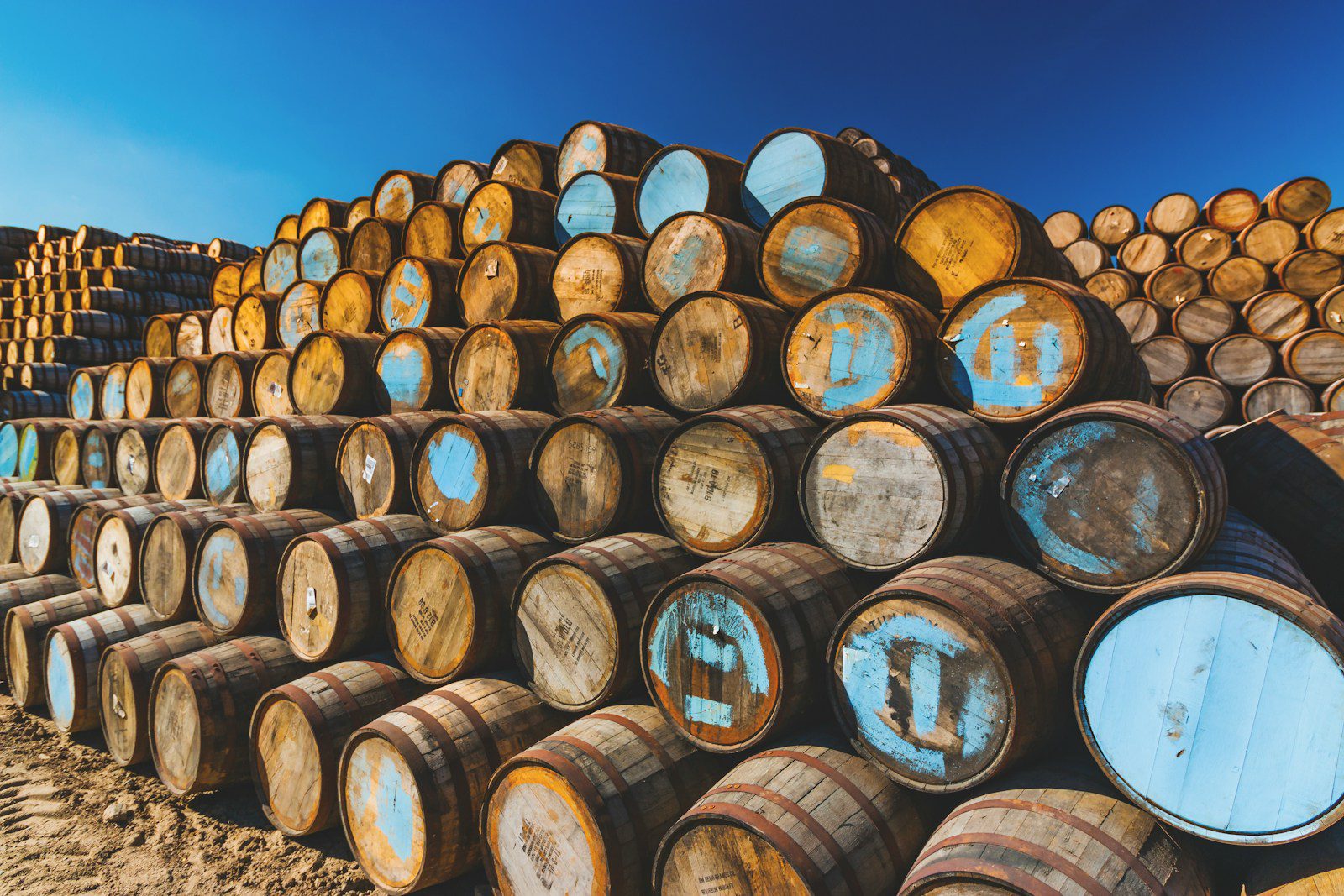
When you pour a glass of whisky, you aren’t just tasting the grain. You are tasting the wood.
In fact, experts estimate that 60% to 80% of a whisky’s flavor comes directly from the oak barrel it was aged in.
This leads to the most important debate in maturation: Sherry vs Bourbon Cask aging.
Why is one whisky pale gold and tastes like vanilla ice cream? Why is another whisky dark ruby red and tastes like Christmas cake?
The answer lies in the history of the cask.
In this guide, we are going to break down the chemistry and flavor profiles of the Sherry vs Bourbon Cask styles so you can predict exactly what a bottle will taste like before you even open it.
Table of Contents
Click below to jump to a section:
- 1. The Science of Maturation
- 2. Ex-Bourbon Casks: The Vanilla Bomb
- 3. Ex-Sherry Casks: The Fruit Bomb
- 4. American Oak vs. European Oak
- 5. How to Read the Label
- 6. Summary: Which Flavor Profile is For You?
1. The Science of Maturation
When spirit comes off the still, it is clear. It looks like vodka and smells like metallic pear drops. It is harsh and aggressive.
To become “Whisky,” it must sleep in oak. During this time, three things happen:
- Subtractive Maturation: The charred wood acts as a filter, removing harsh sulfur compounds.
- Additive Maturation: The spirit pulls sugars, oils, and color out of the wood.
- Interaction: The spirit breathes oxygen through the pores of the wood, mellowing the alcohol.
But not all wood is the same. The previous liquid that was inside the barrel dictates the flavor of the next whisky. This is the core of the Sherry vs Bourbon Cask distinction.
2. Ex-Bourbon Casks: The Vanilla Bomb
Roughly 90% of the world’s Scotch whisky is aged in barrels that used to hold American Bourbon.
Why? Because American law requires Bourbon to be aged in New Oak barrels. Once a barrel has been used once for Bourbon, the distillery cannot use it again.
Scotch distilleries happily buy these “used” barrels because they are inexpensive and full of flavor.
Flavor Profile of Ex-Bourbon Cask Whisky:
Color: Pale Gold / Straw / Sunlight.
Aromas: Vanilla, Coconut, Caramel, Crème Brûlée.
Taste: Sweet, creamy, and light. It allows the distillery character to shine.
Examples to try: Glenmorangie 10, Laphroaig 10, Bruichladdich Classic Laddie.
3. Ex-Sherry Casks: The Fruit Bomb
Sherry is a fortified wine from Spain. Historically, Britain drank huge amounts of Sherry, so empty casks were plentiful in Scotland.
Today, Sherry casks are rare and expensive (costing 10x more than Bourbon barrels).
When whisky is aged in a cask that previously held Oloroso or Pedro Ximénez Sherry, the spirit soaks up the wine trapped deep in the wood staves.
Flavor Profile of Ex-Sherry Cask Whisky:
Color: Deep Amber / Ruby / Mahogany.
Aromas: Dried fruit (raisins, figs), Nutmeg, Clove, Dark Chocolate.
Taste: Rich, heavy, oily, and spicy (“Christmas Cake” is the common descriptor).
Examples to try: The Macallan 12, Glenfarclas 15, Aberlour A’bunadh.
Want to taste the difference? Check out our list of the Best Single Malts (covering both styles) here.
4. American Oak vs. European Oak
The liquid inside the barrel matters, but the species of wood matters just as much in the Sherry vs Bourbon Cask equation.
American Oak (Quercus Alba)
Almost all Bourbon casks are made from American White Oak.
This wood is dense. It is high in a compound called Vanillin (which tastes exactly like it sounds) and Oak Lactones (which taste like coconut). This is why Bourbon-cask Scotch is so creamy and vanilla-forward.
European Oak (Quercus Robur)
Traditionally, Sherry casks were made from Spanish European Oak.
This wood is more porous and richer in Tannins. Just like in red wine, tannins dry out your mouth and provide structure.
This adds spicy notes of clove, cinnamon, and nutmeg. It gives the whisky a “grippy” texture on the tongue.
5. How to Read the Label
Distilleries aren’t always clear about what casks they use. Here is how to decode the label to know if you are buying Sherry vs Bourbon Cask whisky.
- “Matured in Oak Casks”: Usually means mostly Bourbon barrels (it’s the industry standard).
- “Sherry Oak” or “Sherry Cask”: Means the whisky spent its entire life in Sherry wood. These are expensive and dark.
- “Double Wood” or “Double Cask”: Usually means it spent 10 years in Bourbon barrels, then was moved to Sherry barrels for the last 6 months to add a layer of fruit (e.g., Balvenie DoubleWood).
- “First Fill”: Means this is the first time the barrel has been used for Scotch. The flavor will be intense.
- “Refill”: Means the barrel has been used for Scotch before. The oak influence will be subtle.
6. Summary: Which Flavor Profile is For You?
So, who wins the Sherry vs Bourbon Cask fight? It depends on your palate.
Choose Bourbon Cask If: You like light, sweet desserts. You enjoy flavors of vanilla sponge cake, coconut, honey, and fresh apples. It is perfect for summer or aperitif drinking.
Choose Sherry Cask If: You like rich, dark flavors. You enjoy fruitcake, dark chocolate, espresso, and winter spices. It is perfect for cold nights or after dinner.
Confused about Single Malts? Now that you know the wood, learn about the grain. Read our guide on Single Malt vs Blended Whisky here.
Become a Certified Expert
Take your knowledge from “hobbyist” to “connoisseur.” Join our Virtual Whiskey Tasting VIP program and get guided lessons, rare bottle alerts, and tasting notes sent straight to your inbox. Start Your Journey »
Enjoy responsibly drinkaware.co.uk@thewhiskyschool© 2018