

The Ultimate Beginner’s Guide to Whisky: Bourbon, Scotch, & Rye (2026)
Sip & Learn: Volume 88
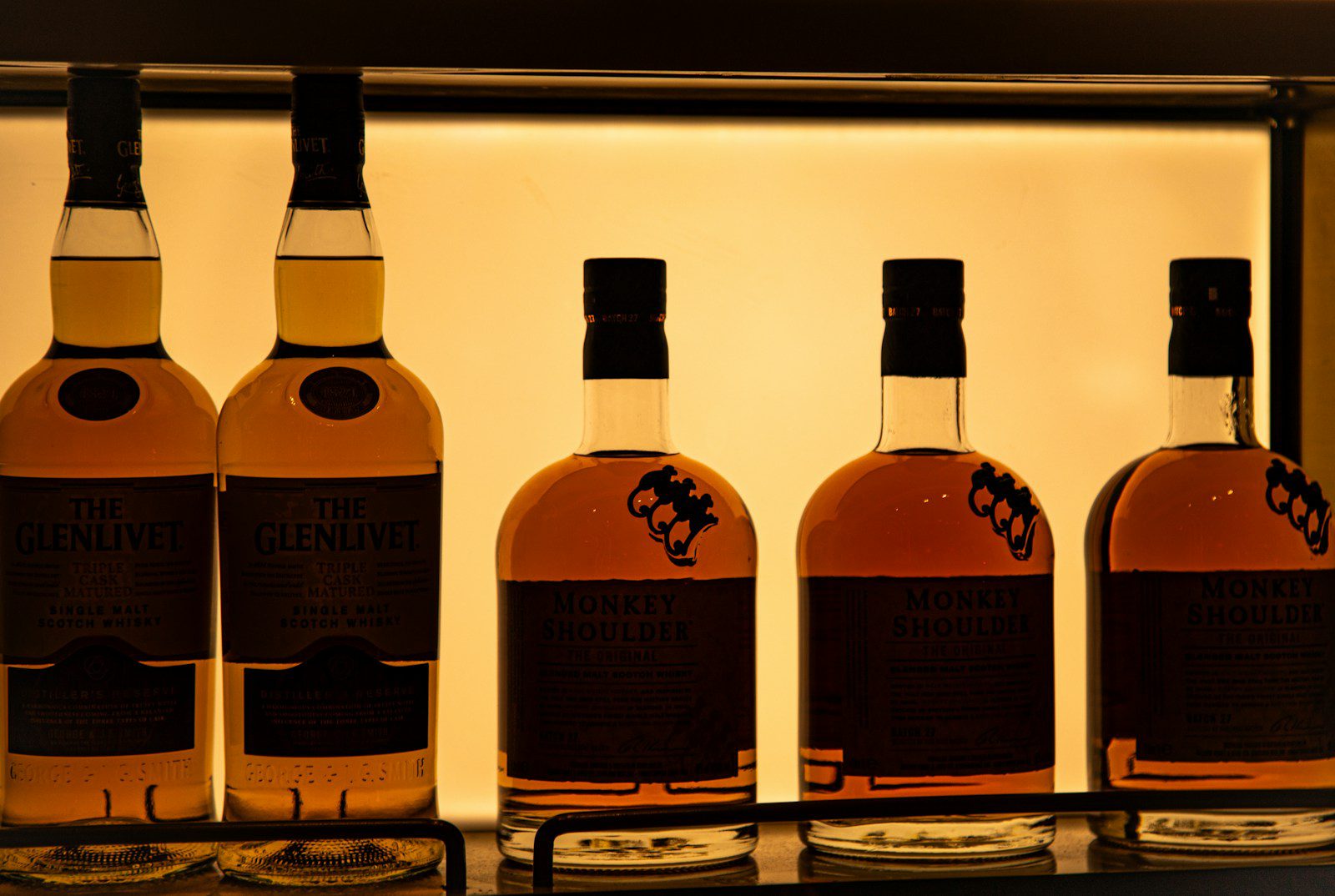
Walking into the whisky aisle of a liquor store can be one of the most intimidating experiences in the culinary world.
You are faced with rows of amber bottles, confusing labels written in Gaelic, and prices ranging from $20 to $2,000.
Is Scotch better than Bourbon? Why do some bottles spell it “Whisky” and others “Whiskey”? And what exactly is a Single Malt?
If you are new to the world of spirits, this beginner’s guide to whisky is for you.
We are going to strip away the snobbery and the jargon. We will break down the main styles, explain how to drink them, and help you find the perfect bottle for your palate.
Table of Contents
Click below to jump to a section:
1. The First Question: Whisky or Whiskey?
Before we talk about taste, let’s clear up the spelling. It is not a typo; it depends on where the spirit is made.
- Whiskey (with an ‘e’): Used in the United States and Ireland. (Think: Ireland and United States have an ‘E’ in their names).
- Whisky (no ‘e’): Used in Scotland, Canada, and Japan.
Regardless of how it is spelled, all whisky is made from three simple ingredients: Grain, Water, and Yeast. The difference in flavor comes from how they process those ingredients.
Want the full history?
Read our deep dive on Whisky vs Whiskey here.
2. Scotch Whisky: The King of Malt
Scotch is often seen as the most complex of the whiskies. By law, for a whisky to be called “Scotch,” it must be distilled and matured in Scotland for a minimum of three years in oak barrels.
The Flavor Profile
Scotch is generally made from malted barley. The flavor can range wildly depending on the region of Scotland it comes from.
- Speyside: Fruity, floral, and honeyed (e.g., Glenfiddich). Ideally suited for beginners.
- Islay: Smoky, peaty, and medicinal (e.g., Laphroaig). This is an acquired taste.
- Highlands: Rich, spicy, and robust (e.g., Dalmore).
Single Malt vs. Blended
Single Malt comes from one distillery. It reflects the specific character of that location.
Blended Scotch is a mix of whiskies from multiple distilleries. These are engineered to be smooth and consistent (e.g., Johnnie Walker).
Ready to try Scotch?
See our list of the 5 Best Single Malts for Beginners.
3. Bourbon: America’s Sweet Spirit
If Scotch is the sophisticated older brother, Bourbon is the bold, sweet cousin.
By law, Bourbon must be produced in the United States (mostly Kentucky) and made from a mash bill of at least 51% Corn.
The Flavor Profile
Because it is made from corn and aged in brand new charred oak barrels, Bourbon is naturally sweeter than Scotch.
Tasting Notes:
Vanilla, caramel, coconut, toffee, and oak. If you have a sweet tooth, start here.
Bourbon vs Scotch?
Understand the rivalry in our detailed comparison guide.
4. Rye Whiskey: The Spicy Alternative
Rye whiskey was the original favorite of pre-Prohibition America and has made a massive comeback in the 2020s.
As the name suggests, it must be made from at least 51% Rye grain.
The Flavor Profile
Rye is less sweet than Bourbon and has a distinctive “bite.” It is often described as “Dry” or “Spicy.”
- Tasting Notes: Baking spices (nutmeg, cinnamon), black pepper, and dried fruit.
- Best For: Cocktails. If you want a Manhattan or an Old Fashioned that isn’t too sugary, use Rye. It cuts through the sweetness of the mixers.
5. Irish & Japanese: The Smooth Operators
If you find the burn of alcohol too aggressive, these two categories are your best friends.
Irish Whiskey
Famous for being Triple Distilled (Scotch is usually distilled twice). This extra step strips out the heavy oils, creating a spirit that is incredibly light, fruity, and smooth.
Japanese Whisky
Modeled after Scotch but refined for the Japanese palate. It is all about Balance and Harmony. Japanese whiskies are often less aggressive and more floral than their Scottish counterparts. They are designed to be drunk with food.
Explore the East:
Check out the best Japanese Whiskies to buy now.
6. How to Drink: Neat, Rocks, or Water?
There is no “wrong” way to drink whisky, but there are techniques to help you taste more flavor.
Neat: Poured straight into the glass at room temperature. This allows you to smell and taste the spirit in its purest form.
With Water: Adding a few drops of water breaks the surface tension of the alcohol. It suppresses the “burn” and releases hidden floral aromas.
On the Rocks: Pouring it over ice chills the drink. This makes it refreshing, but be aware: cold temperatures numb your tongue and suppress flavor. Use ice for cheap blends, but try to avoid it for expensive Single Malts.
Glassware matters.
See why you need a Glencairn glass in our review.
7. Summary: Which One Should You Buy?
Your beginner’s guide to whisky concludes with a simple choice. What flavor do you want?
- Buy Bourbon if: You like sweet flavors like vanilla, caramel, and dessert.
- Buy Scotch if: You want to explore complex flavors ranging from fruity (Speyside) to smoky (Islay).
- Buy Rye if: You like spicy food or enjoy making classic cocktails at home.
The best way to learn is to taste. Pick up a bottle of each over the next few months and see which style suits your palate best.
Become a Certified Expert
Take your knowledge from “hobbyist” to “connoisseur.” Join our Virtual Whiskey Tasting VIP program and get guided lessons, rare bottle alerts, and tasting notes sent straight to your inbox.