
What is a Whiskey Tasting? The Ultimate Beginner’s Guide (2025)
Sip & Learn: Volume 16
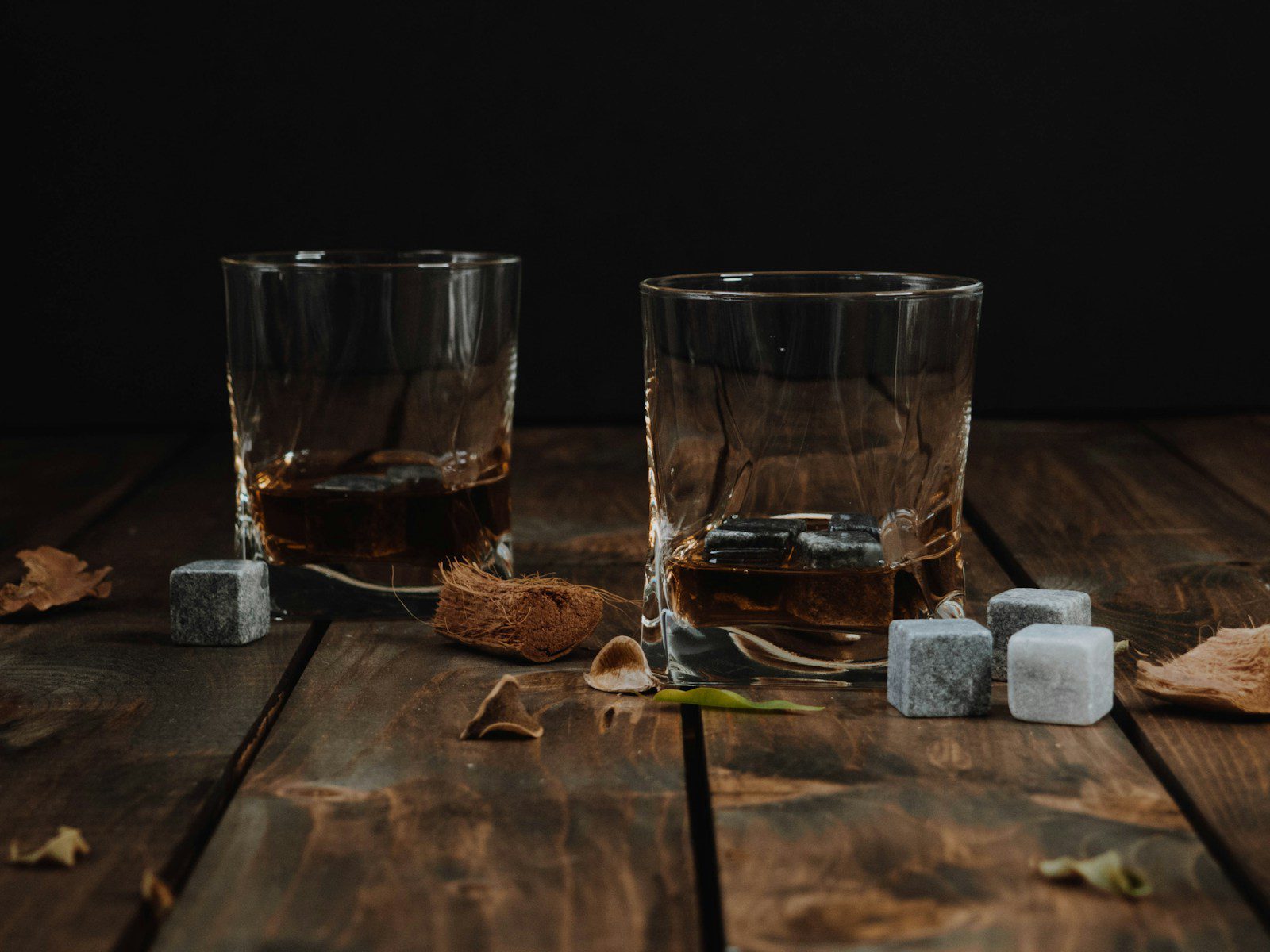
More Than Just a Drink. A true tasting is a sensory analysis, designed to break down the liquid into its core components: aroma, palate, and finish.
If you have ever watched a group of people swirling amber liquid in tulip-shaped glasses, sniffing it intently, and discussing “notes of saddle leather,” you might wonder: what is a whiskey tasting exactly? Is it just an excuse to drink, or is there a science behind it?
At its core, a whiskey tasting is the act of deconstructing a spirit. It moves beyond simple consumption and into appreciation. It is about engaging all your senses—sight, smell, and taste—to understand the story of the liquid in your glass. In this guide, we will explain exactly what is a whiskey tasting, the etiquette involved, and how you can host your own.
Table of Contents
The Definition: What is a Whiskey Tasting?
To answer “what is a whiskey tasting,” we must distinguish it from “drinking.” Drinking is passive; tasting is active. A tasting event is a structured session where participants sample small measures (usually 15-25ml) of multiple whiskies side-by-side.
The goal is not intoxication, but education. By comparing different expressions, you learn to identify the influence of the cask (sherry vs bourbon), the region (Islay smoke vs Speyside fruit), and the age. According to the Wine & Spirit Education Trust (WSET), structured tasting is the only way to truly train your palate.
The 5 Steps of a Professional Tasting
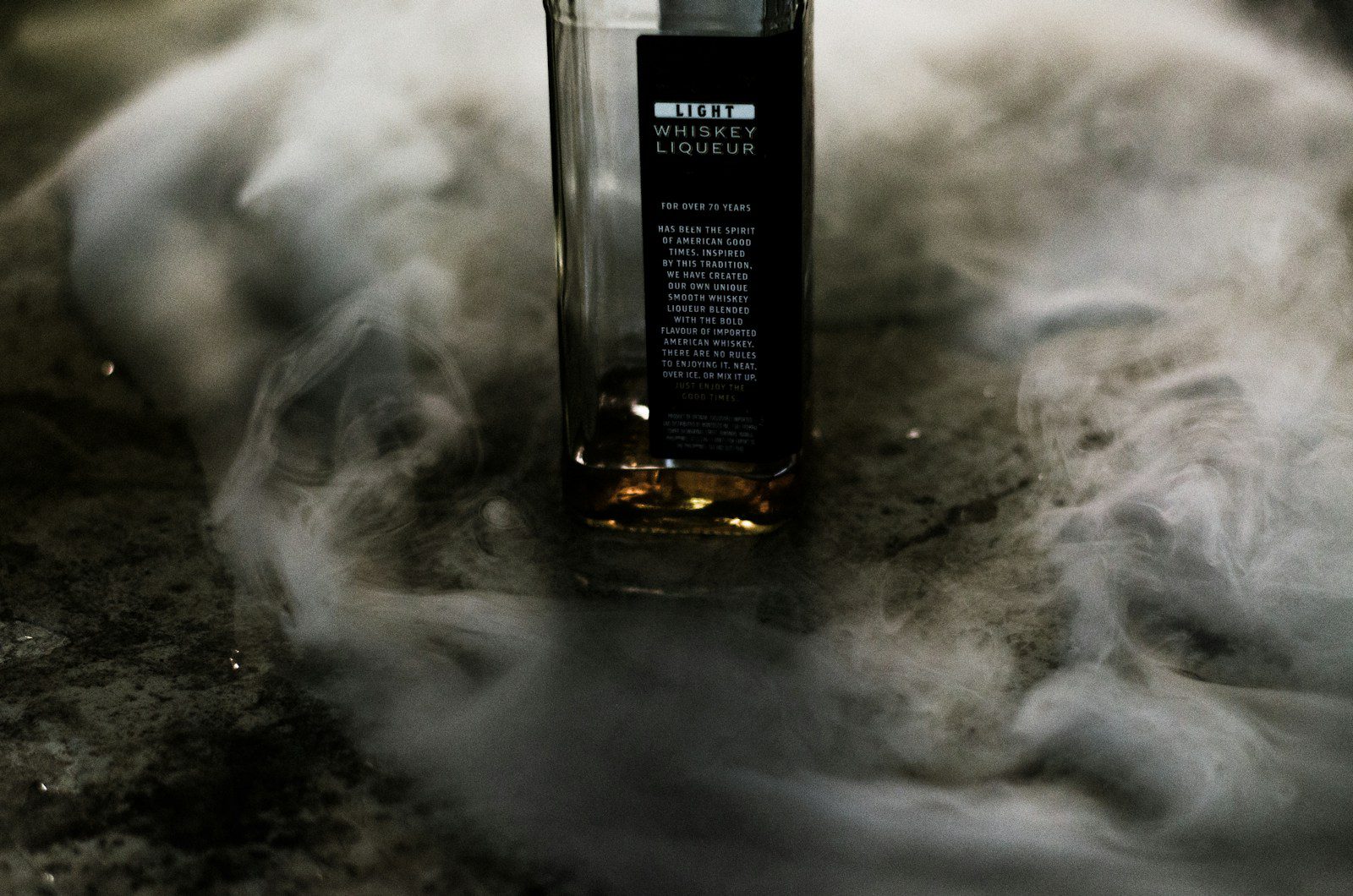
When you attend a professional event, you will be guided through a specific ritual. Understanding these steps is key to answering what is a whiskey tasting for yourself.
The Nose Knows. 80% of what we perceive as “flavour” actually comes from our sense of smell. This is why the “nosing” phase is the most critical part of the tasting.
1. Appearance (The Eye)
Hold the glass up to the light. Is it pale straw or deep mahogany? A darker colour often suggests older age or maturation in sherry casks. Swirl the liquid and watch the “legs” drip down. Slow, thick legs indicate a higher alcohol content or a more oily texture.
2. The Nose (The Aroma)
Bring the glass to your nose, but do not stick your nose right inside if it is a high-strength whisky. Keep your mouth slightly open to circulate air. Look for broad categories: Is it fruity? Smoky? Floral?
3. The Palate (The Taste)
Take a small sip. “Chew” the whisky for a few seconds. Let it coat your entire tongue. This is where you detect the primary tastes: sweet, sour, bitter, and salty.
4. The Finish (The Aftertaste)
Swallow the whisky and wait. The “finish” is the flavour that remains. Does it vanish instantly (short), or does it warm your chest for minutes (long)? A long, complex finish is the hallmark of a quality spirit.
5. Dilution (The Water)
Add a few drops of room-temperature water. This breaks the surface tension and releases “locked” aromas. Many whiskies change completely with water, revealing hidden notes.
Vertical vs Horizontal Tastings
Now that you know what is a whiskey tasting, you should know the different formats.
- Vertical Tasting: You taste different ages from the same distillery (e.g., Glenfiddich 12, 15, and 18). This highlights the influence of time in the cask.
- Horizontal Tasting: You taste the same age statement from different distilleries (e.g., five different 12-year-old single malts). This highlights the regional character of the spirit.
- Blind Tasting: The labels are hidden. This removes brand bias and forces you to judge the liquid on its own merit.
Tasting Etiquette 101
If you are invited to a tasting, there are unwritten rules.
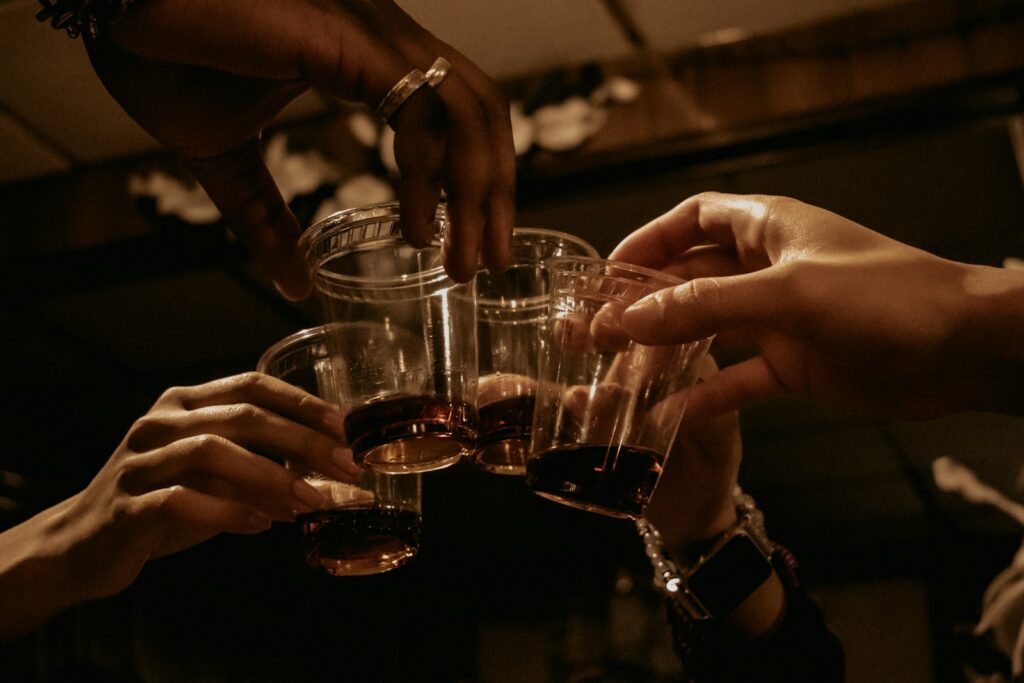 Learning to appreciate the social side of whisky tasting with friends.[/caption]
Community and Conversation. While analysis is key, the best part of a whiskey tasting is sharing your notes with others. There are no wrong answers.
Also, do not feel pressured to finish every glass. Professional tasters often use a spittoon to avoid becoming intoxicated, which dulls the palate. Drink plenty of water between drams to cleanse your palate.
Summary
So, what is a whiskey tasting? It is a journey. It is an opportunity to slow down, engage your senses, and appreciate the craftsmanship inside the bottle. Whether you are doing a solo analysis of a new bottle or hosting a party with friends, the process enriches the experience.
Ready to host your first event?
Become a Certified Expert
Take your knowledge from “hobbyist” to “connoisseur.” Join our Virtual Whiskey Tasting VIP program and get guided lessons sent straight to your inbox.