

The Ultimate Guide to Hosting a Professional Whisky Tasting at Home (2026)
Sip & Learn: Volume 87
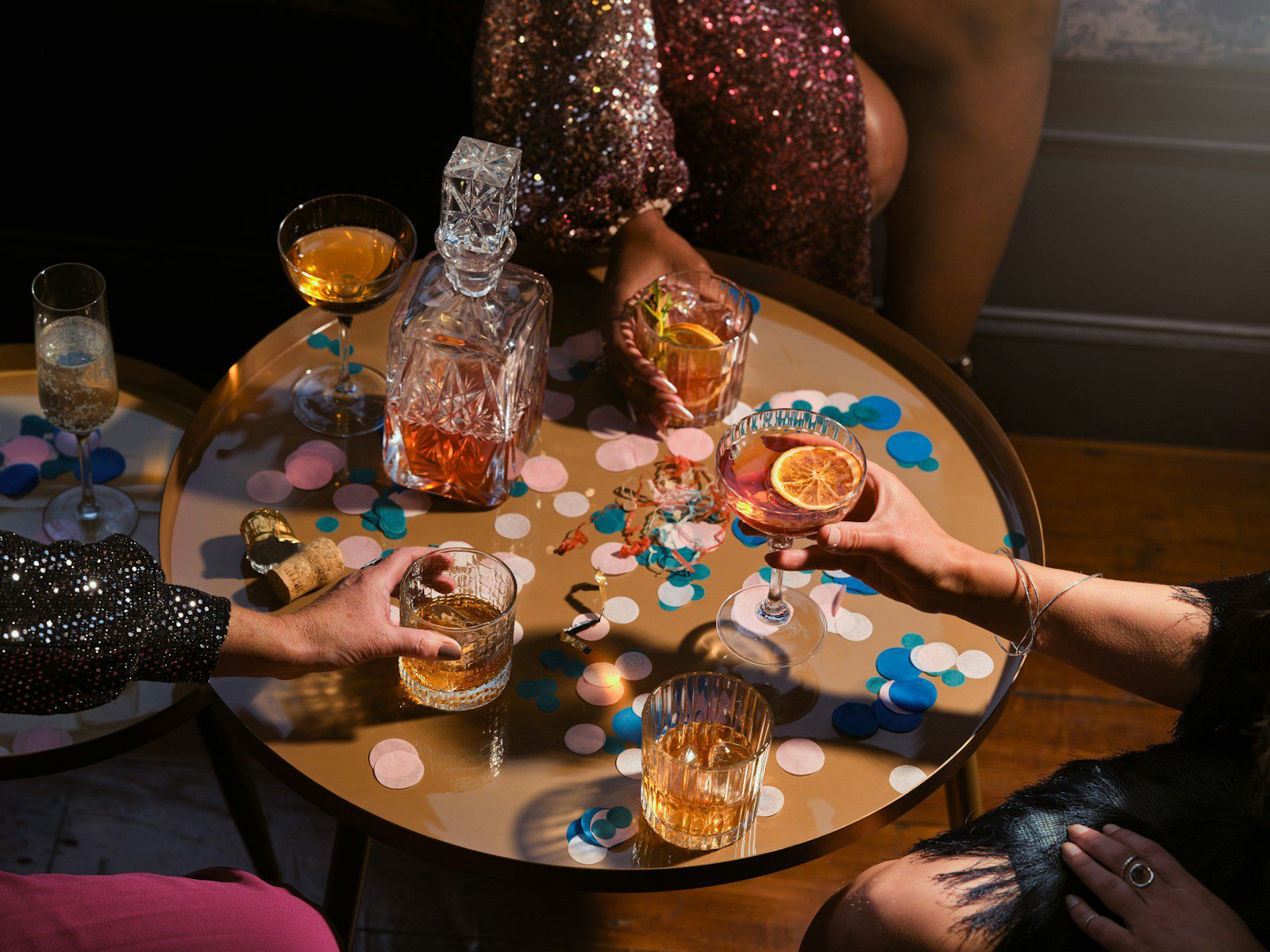
There is a difference between a “drinking session” and a “tasting.”
A drinking session is about consumption and conversation. To host a professional whisky tasting is about analysis, education, and sensory discovery.
When professionals evaluate spirits for competitions like the San Francisco World Spirits Competition, they follow a strict protocol. They control the environment, the glassware, and the dilution to ensure every whisky gets a fair chance.
You can replicate this high-end experience in your own living room.
In this guide, we are going to move beyond the basics. We will teach you how to curate a “Flight,” how to use a professional scoring sheet, and how to create the perfect environment to host a professional whisky tasting.
Table of Contents
Click below to jump to a section:
1. The Environment: ISO Standards
To host a professional whisky tasting, you must first control the room.
1. Scent Free:
This is the most critical rule. No scented candles. No cooking smells (don’t roast a chicken beforehand). Ask guests not to wear heavy cologne or perfume. External smells will ruin the “Nose” of the whisky.
2. Lighting and Surface:
Use a white tablecloth or white tasting mats. To judge the color of the spirit (e.g., “Pale Straw” vs. “Deep Amber”), you need a neutral white background.
3. Hydration:
Provide room temperature water (still, not sparkling) for rinsing the palate, and separate water for diluting the whisky.
Why water matters:
Read our guide on using a Water Dropper to unlock flavor.
2. Curating the Flight: Vertical vs. Horizontal
Do not just open random bottles. A professional tasting tells a story. You need a “Flight” (a sequence of 3-5 whiskies).
Option A: The Vertical Tasting
This explores Time.
You choose one distillery (e.g., Glenfarclas) and taste their 10, 15, 21, and 25-year-old expressions side-by-side.
Goal: To understand how oak interaction changes the spirit over decades.
Option B: The Horizontal Tasting
This explores Region or Style.
You choose whiskies of the same age (e.g., 12 Years Old) but from different regions (Speyside vs. Islay vs. Highlands).
Goal: To understand terroir and peat influence.
The Order:
Always pour from Lightest (Low ABV, Unpeated) to Heaviest (High ABV, Peated, Sherry Bomb). If you drink the heavy one first, you will not be able to taste the light one.
3. The Glassware: Why Tulips Matter
If you serve whisky in a tumbler (rocks glass), the aromas evaporate into the room.
To host a professional whisky tasting, you need ISO-standard tasting glasses or Glencairns.
The Shape:
The wide bowl allows the spirit to breathe. The narrow rim (“The Chimney”) concentrates the vapors towards the nose. This amplifies the smell, allowing you to detect subtle notes like “fresh cut grass” or “dried apricot.”
If you want to be truly professional, use Copita glasses with watch-glass covers. The covers trap the vapor inside until the guest is ready to nose the dram.
Glencairn vs Copita?
Read our deep dive on the science of glassware here.
4. The Blind Element: Removing Bias
The most educational way to taste is “Blind.”
We are all influenced by marketing. If we see a label that says “40 Years Old” or “Macallan,” our brains automatically tell us it tastes expensive.
How to do it:
1. Wrap the bottles in aluminum foil or brown paper bags.
2. Label them A, B, C, D.
3. Reveal the identities only after everyone has scored them.
You will be shocked. Often, the $50 bottle beats the $200 bottle when the label is hidden. This is the truest test of quality.
5. Scoring and Notes
Provide your guests with a “Tasting Mat” and a notebook.
Encourage them to write down notes for the three stages:
- Nose: What do they smell? (Fruit, Smoke, Wood?)
- Palate: What do they taste? What is the texture (Oily vs Thin)?
- Finish: How long does the flavor last? Does it change?
You can use a simple 1-10 scoring system, or a Flavor Wheel to help them identify specific notes.
The Palate Cleanser:
Between drams, guests should sniff their own forearm (neutral smell) or coffee beans to reset their nose. They should drink water or eat an unsalted cracker to reset their tongue.
Need a vocabulary tool?
Download our guide on using the Whisky Flavor Wheel.
6. Summary: The Masterclass
When you host a professional whisky tasting, you are acting as the guide.
Your job is not to tell people what they should taste, but to help them find the words for what they do taste.
By controlling the environment, using the right glass, and removing brand bias, you elevate whisky from a drink into an intellectual and sensory journey.
Become a Certified Expert
Take your knowledge from “hobbyist” to “connoisseur.” Join our Virtual Whiskey Tasting VIP program and get guided lessons, rare bottle alerts, and tasting notes sent straight to your inbox.