

10 Essential Whiskey Terms Every Lover Should Know
Sip & Learn: Volume 110
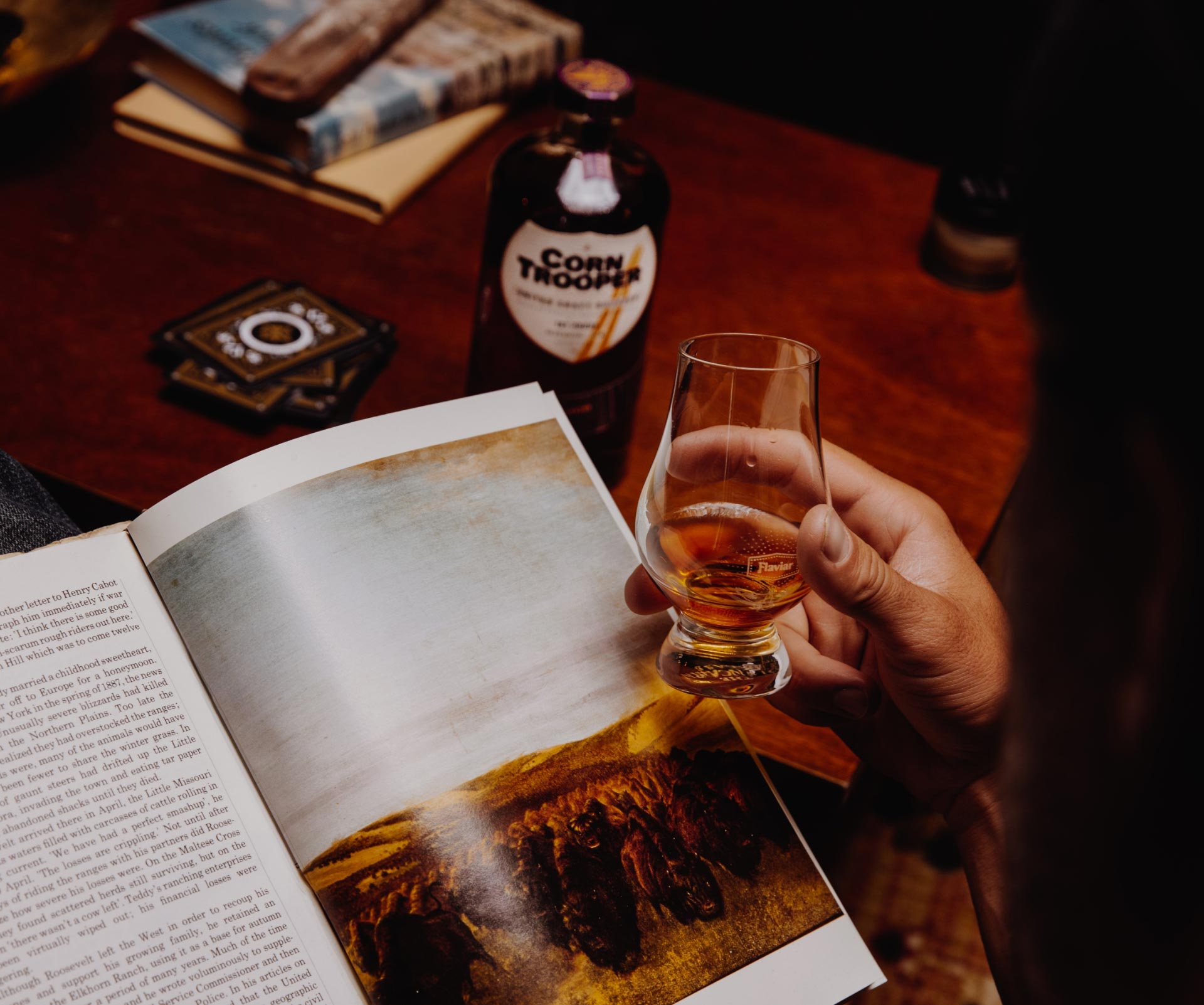
Walking into a high-end whisky bar or browsing a specialist shop can feel like entering a foreign country without a phrasebook. The labels are covered in technical jargon: “Non-chill filtered,” “Cask Strength,” “Expression,” and “Mash Bill.”
To truly appreciate what is in your glass, you need to understand the language of the distillery. These aren’t just buzzwords; they are the keys to understanding how a spirit will taste, feel, and finish. Mastering whiskey terms every lover should know transforms a simple drink into a narrative of craft and time.
Whether you are a newcomer or a seasoned collector, refining your vocabulary ensures you buy better bottles and enjoy them more deeply. In this comprehensive guide, we break down the ten most vital terms in the industry today.
Table of Contents
Click below to master the terminology:
- 1. Expression (The Variation)
- 2. Mash Bill (The Recipe)
- 3. Angel’s Share (The Evaporation)
- 4. Chill Filtration (The Aesthetic Choice)
- 5. Cask Strength (The Pure Spirit)
- 6. Peat (The Smoky Element)
- 7. Single Malt vs. Blended
- 8. The Finish (Secondary Maturation)
- 9. Proof vs. ABV
- 10. Dram (The Measurement)
1. Expression (The Variation)
In the world of spirits, “Expression” is a sophisticated way of saying “version” or “variation.” When a distillery releases a 12-year-old, a 15-year-old, and a Sherry-cask finished bottle, these are three different expressions of their base spirit.
Think of it like a music artist releasing different versions of the same song—one acoustic, one remixed, one live. The core DNA remains the same, but the “expression” changes based on age, wood type, or proof. Understanding this helps you compare how a specific distillery’s character evolves under different conditions.
2. Mash Bill (The Recipe)
The Mash Bill is the specific ratio of grains used to produce the spirit. While Scotch Single Malt is always 100% malted barley, American Bourbons have diverse mash bills.
A typical Bourbon mash bill must be at least 51% corn, but the “flavor grains”—rye or wheat—dictate the final profile. Rye-heavy mash bills are spicy and peppery, while wheated mash bills (like Pappy Van Winkle or Weller) are softer and sweeter. This is one of the most technical whiskey terms every lover should know because it allows you to predict a flavor profile before the cork is even pulled.
New to Bourbon?
Discover the best bottles to start your journey.
3. Angel’s Share (The Evaporation)
Whiskey is a living thing. As it sits in a wooden cask for years, a portion of the liquid evaporates through the porous oak. This lost volume is poetically referred to as the Angel’s Share.
In cooler climates like Scotland, distilleries lose about 2% per year. In the heat of Kentucky, that number can jump to 5% or more. This evaporation concentrates the flavors left behind but also makes older whiskeys rarer and more expensive. You are quite literally paying for what the angels didn’t take.
4. Chill Filtration (The Aesthetic Choice)
Have you ever noticed your whiskey becoming cloudy when you add ice? That is due to fatty acids and proteins. Many distilleries use Chill Filtration—chilling the spirit to near freezing and passing it through a fine filter—to remove these elements so the liquid stays crystal clear.
However, many purists believe this process strips away some of the natural oils that provide mouthfeel and flavor. If you see “Non-Chill Filtered” on a label, the distillery has left those natural components intact for a richer experience.
5. Cask Strength (The Pure Spirit)
Most whiskey is diluted with water before bottling to bring it down to a standard 40% or 43% ABV (Alcohol by Volume). Cask Strength (or Barrel Proof) means the whiskey was bottled exactly as it came out of the barrel, with no water added.
These bottles are often 55% to 65% ABV. They offer the most intense flavor and allow the drinker to add their own water to find the perfect “sweet spot.” It is the gold standard for many enthusiasts.
6. Peat (The Smoky Element)
Peat is decayed organic matter (mostly moss and heather) found in bogs. Traditionally, Scottish maltsters burned peat to dry the damp malted barley. This process infuses the grain with smoke.
When someone describes a whiskey as “peated” or “smoky,” they are referring to this ancient fuel. Levels of peat are measured in Phenol Parts Per Million (PPM). A high PPM means a heavy, medicinal, campfire-like smoke, typical of Islay distilleries like Laphroaig or Ardbeg.
Confused by Scotch?
Explore our guide to the 5 Regions of Scotland.
7. Single Malt vs. Blended
This is perhaps the most misunderstood of all whiskey terms every lover should know.
Single Malt means the whiskey was made at a *single* distillery using only malted barley. Blended Whiskey is a mixture of multiple malt whiskeys and grain whiskeys from various distilleries. While Single Malts are often prized for their unique distillery character, Blended whiskies (like Johnnie Walker) are masterpieces of consistency and balance.
8. The Finish (Secondary Maturation)
In the context of production, “The Finish” refers to a secondary maturation period. After spending years in a standard ex-bourbon barrel, the whiskey is moved to a different type of cask—often Port, Sherry, or wine—for a few months or years.
This “finish” adds a layer of complexity. A Sherry finish might add notes of dried fruit and chocolate, while a Sauternes wine finish might add honey and citrus. It’s the final polish on a well-aged spirit.
Pro Tip:
Don’t confuse “The Finish” as a production term with the “Finish” in tasting, which refers to the aftertaste left on your palate!
9. Proof vs. ABV
Both terms measure alcohol content, but they use different scales. ABV (Alcohol by Volume) is the global standard, representing the percentage of the liquid that is pure ethanol.
Proof is an American measurement that is exactly double the ABV. A bottle that is 50% ABV is 100 Proof. Historically, “proof” was determined by soaking gunpowder in the spirit; if the gunpowder still ignited, it was “proven” to be high-strength alcohol.
10. Dram (The Measurement)
A Dram is the traditional Scottish term for a glass of whisky. While there is no “official” legal volume for a dram, it generally refers to a “generous pour.”
In modern bars, a standard dram is usually 25ml or 35ml. However, when a friend offers you a “wee dram” at home, expect something much larger! It is a term of hospitality and camaraderie, signaling the start of a shared experience.
Ready to taste?
Check out our guide to World Whisky brands.
Summary: Drink Like a Connoisseur
Language has the power to change how we perceive flavor. When you understand what a Mash Bill is, you stop guessing and start knowing. When you appreciate the Angel’s Share, you respect the price of an older bottle.
- For Flavor Prediction: Look at the Mash Bill and Cask Finish.
- For Purity: Look for Cask Strength and Non-Chill Filtered.
- For History: Look for Single Malt and Peat levels.
The next time you’re at a tasting, use these terms to describe what you’re experiencing. You’ll find that the community is eager to share their knowledge with anyone who speaks the language of the liquid gold.
Become a Certified Expert
Take your knowledge from “hobbyist” to “connoisseur.” Join our Virtual Whiskey Tasting VIP program and get guided lessons, rare bottle alerts, and tasting notes sent straight to your inbox.